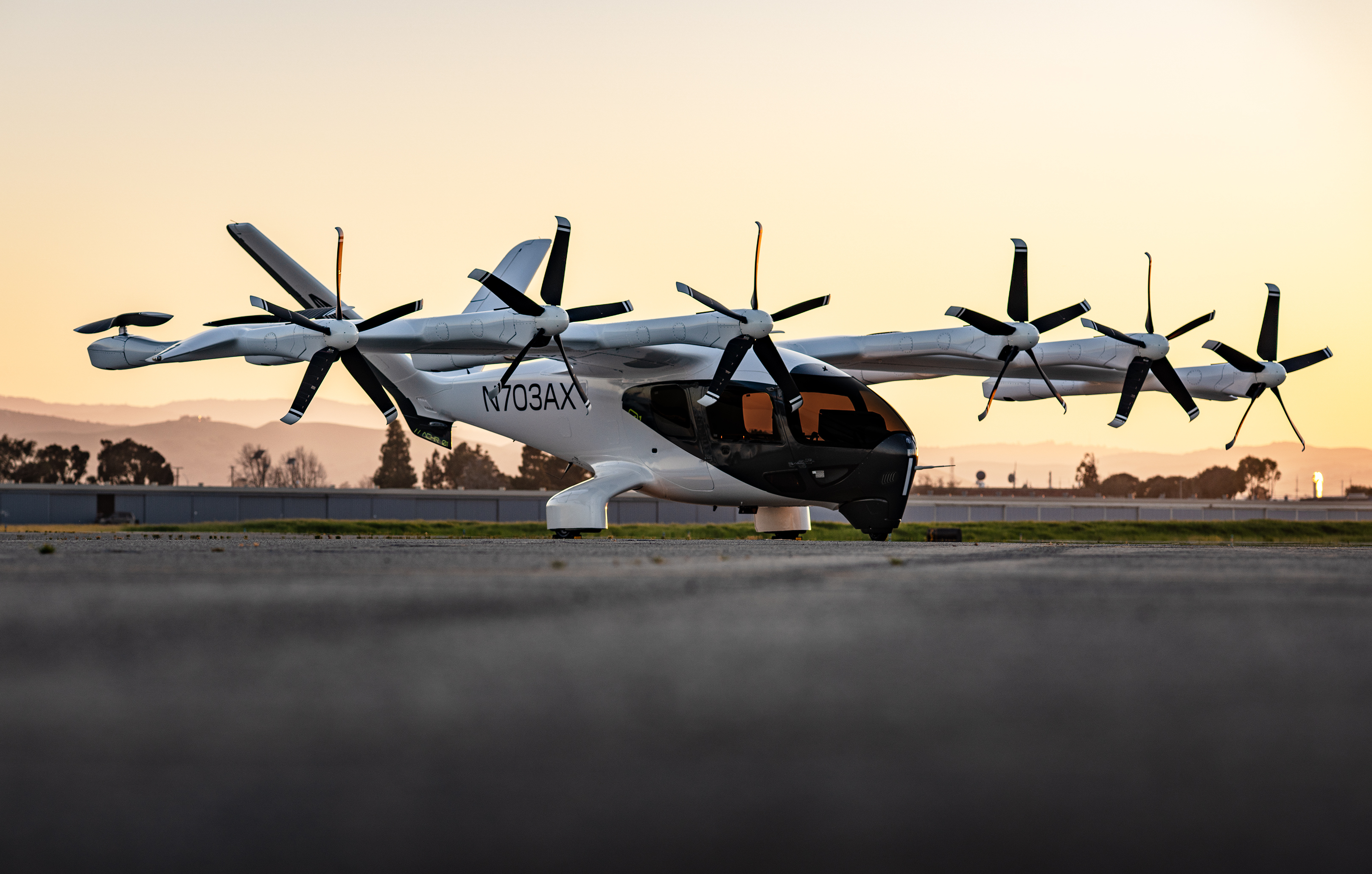
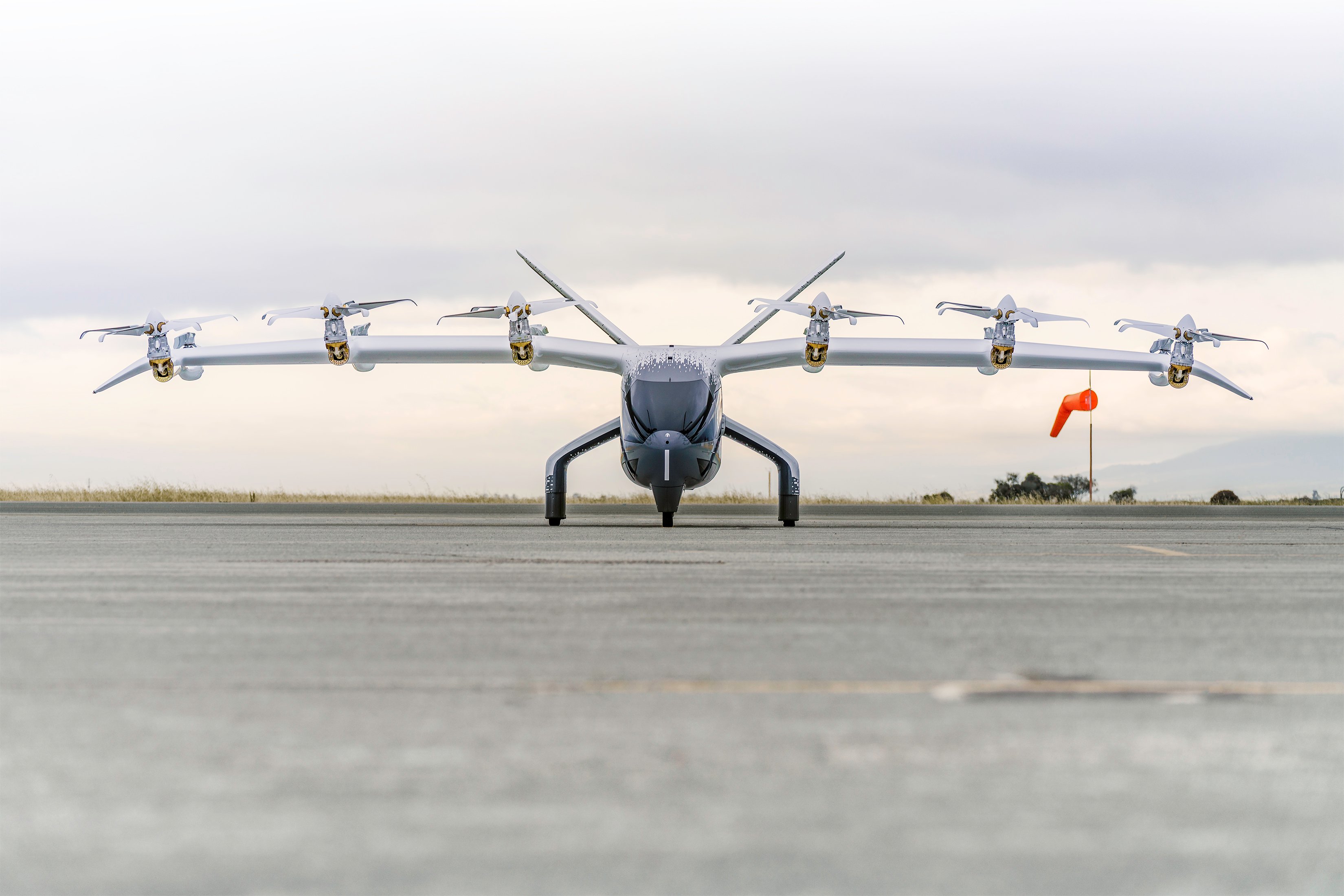
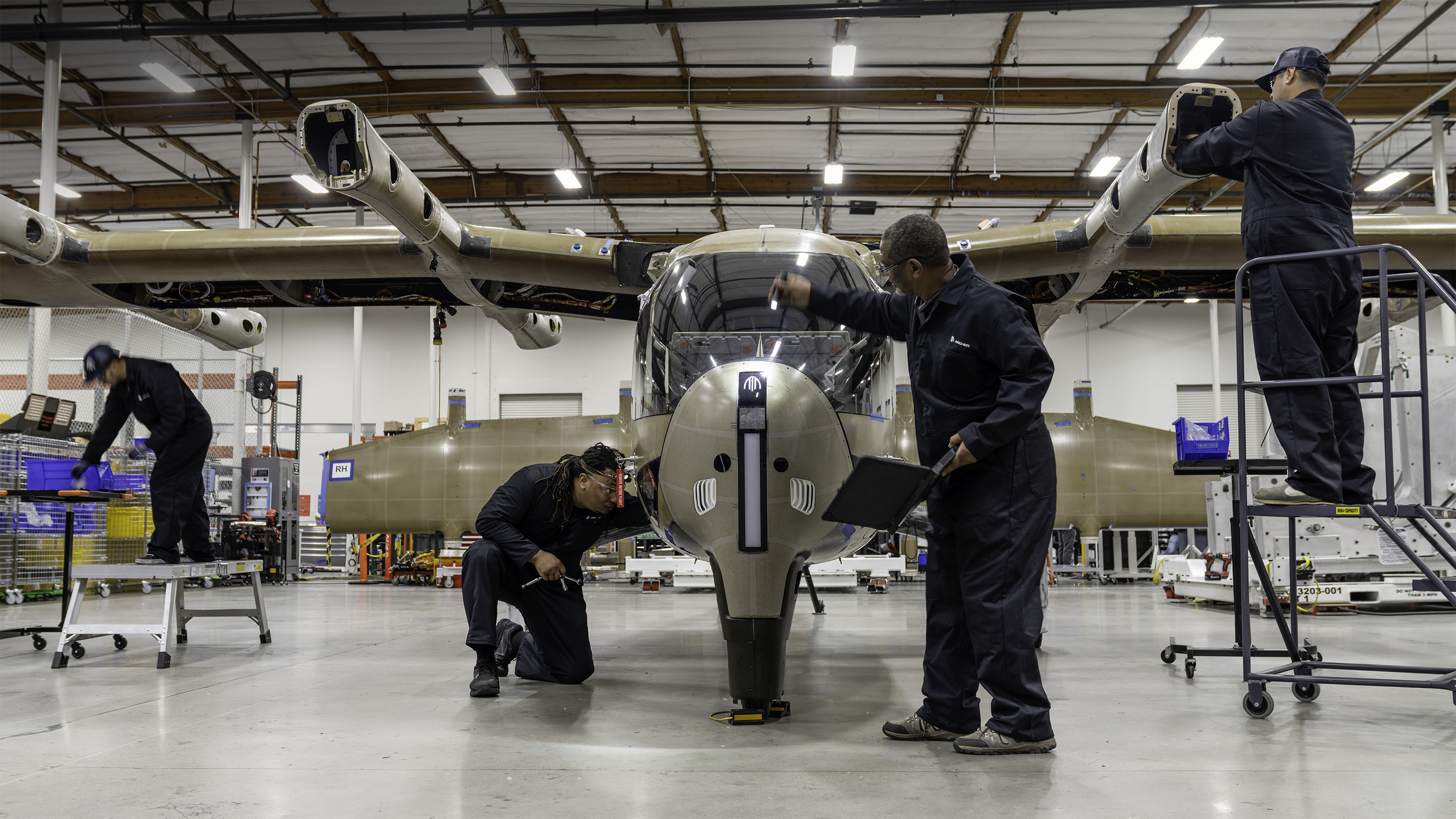
The collaboration between Starlink and Archer Aviation (ACHR 3.80%) is a meaningful development for enthusiasts of electric vertical takeoff and landing (eVTOL) aircraft. For investors weighing Archer's path from prototype to profitable fleet operator, working with Starlink quietly stitches three structural threads in the company's thesis: certification speed, unit economics, and defensible product differentiation.
This collaboration could significantly de-risk the narrative that makes Archer priced like a pre-revenue moonshot. With Starlink, Archer can legitimately strengthen its business across regulatory timing, operating margins, and competitive positioning.
Taken together, Archer's relationship with Starlink is more than marketing. Investors who understand the importance of this deal are looking beyond the romance of flying cars.
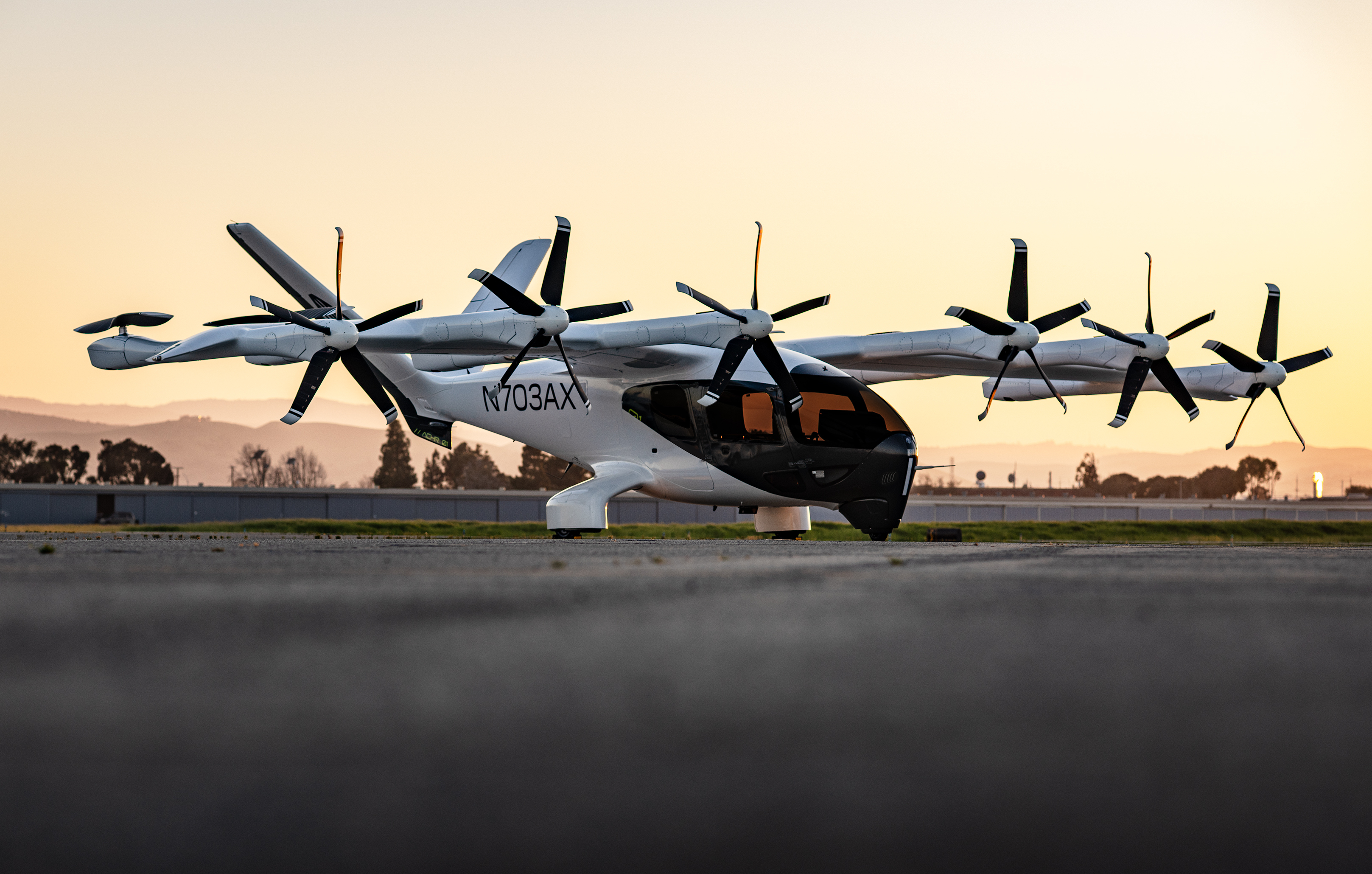
Image source: Archer Aviation.
Regulatory momentum without more ground infrastructure
Investors have watched Archer burn cash for several years now. One of the more costly endeavors in aircraft manufacturing is FAA type certification. Extra costs and product delays are often unintended consequences of developing new aviation systems.
Starlink's satellite terminals are already certified, providing Archer with a turnkey communications backbone that regulators already trust in other aviation environments. Instead of building and testing a patchwork of cellular, line-of-sight radios and backup satellites, Archer can leverage Starlink's integrated, reliable network connectivity in flights from day one.
In theory, this relationship helps shorten the certification runway while reducing the risk that the FAA could demand costly redesigns late in Archer's commercialization process.

NYSE: ACHR
Key Data Points
Strong fleet economics that pay off at scale
Starlink delivers constant connectivity that works anywhere an Archer Midnight vehicle flies. This feature provides visibility beyond traditional ground-tower dispatches -- freeing Archer from short-range tethers and allowing its aircraft to operate across wide-spanning metro areas without the risk of signal blackouts or rerouting latency.
These benefits could drive materially higher utilization rates for Archer's aircraft. As each aircraft flies more incremental revenue-generating hours, Archer needs fewer aircraft in total to serve the same passenger demand. In turn, the company can reduce fleet capital expenditures (capex) and improve the unit economics on its infrastructure bets.
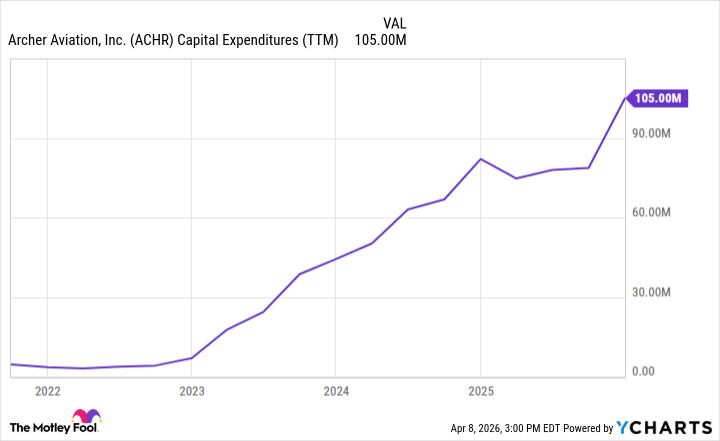
ACHR Capital Expenditures (TTM) data by YCharts
Starlink provides an edge that competitors can't copy overnight
Most eVTOL manufacturers have their eyes set on one goal: certifying hardware. Archer is differentiating itself by building a proprietary data layer that turns every flight hour into a telemetry gold mine. Starlink gives Archer high-bandwidth aircraft health data, passenger behavior signals, and dynamic routing intelligence in real time. Most competitors rely on this information from spotty ground networks.
This data flywheel could lead to improvements in predictive maintenance and reductions in insurance premiums, and provide Archer with pricing power for a genuinely connected passenger experience. In an aviation market where most players look interchangeable on paper, the Starlink partnership creates a compounding advantage on top of Archer's core aircraft business.