Intel's (INTC -3.20%) stock has surged nearly 260% over the past 12 months, and it's hovering near its all-time highs. However, the chipmaker's stock already trades nearly 40% above Wall Street's median price target of $50 -- so is it due for a steep pullback?
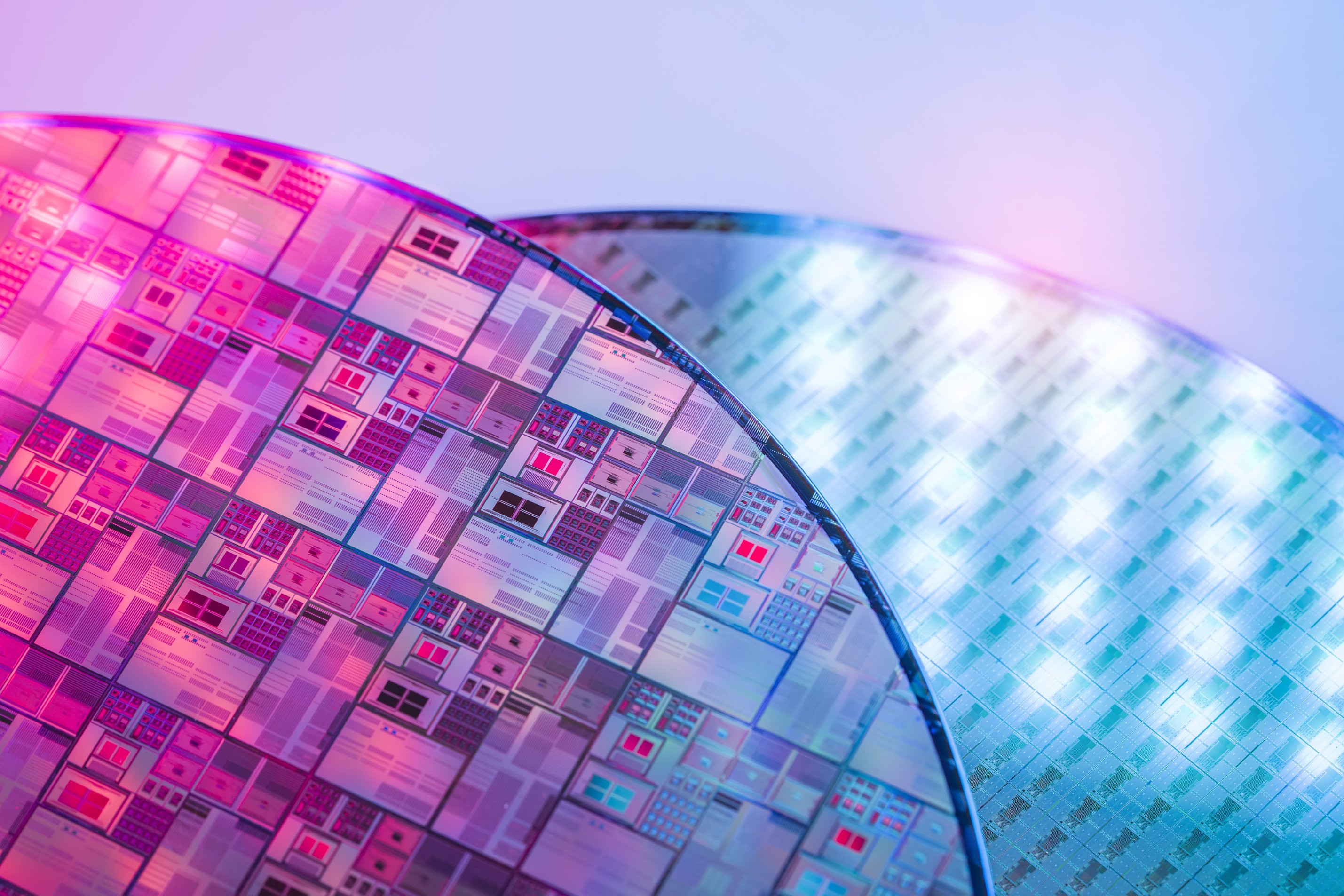
Image source: Getty Images.
Why did Intel's stock skyrocket?
A year ago, Intel's stock was trading at its lowest levels in over a decade. It had fallen behind TSMC (TSM -1.98%) in the "process race" to manufacture smaller, denser chips; it lost a massive slice of the x86 CPU market to AMD (AMD -2.28%); and it seemingly missed the secular shifts toward mobile devices and AI-driven data centers. As it grappled with those issues, it experienced jarring strategic shifts under four different CEOs in just seven years. It also suspended its dividend in 2024.

NASDAQ: INTC
Key Data Points
When Lip-Bu Tan, the former CEO of chip designer Cadence Design Systems, took the helm as the fourth CEO last March, investors had low expectations. But under Tan, Intel aggressively cut costs, streamlined its business, and focused on strengthening its manufacturing capabilities and AI-oriented chips. It doubled down on reclaiming the process lead from TSMC with more advanced chips, pursued more foundry customers, and struck back at AMD in the x86 PC and server CPU markets with updated chip designs.
Last August, the U.S. government acquired a 10% stake in Intel for $8.9 billion. That investment countered the bearish view that Intel's business would collapse and supported the bullish belief that it could evolve into a "national champion" in semiconductor manufacturing.
As Intel made those changes, spending on AI began to shift away from GPUs toward other chips, networking hardware, and optical devices for that expanding infrastructure. Companies also began shifting away from GPU-powered training tasks toward inference tasks -- requiring data centers to upgrade their CPUs and other general-purpose hardware. As a result, Intel transformed from an irrelevant name in AI training into a relevant one again in AI infrastructure.
Intel's revenue has declined for four consecutive years, but analysts expect it to finally grow 3% in 2026, 8% in 2027, and 7% in 2028 as those tailwinds kick in. They also expect it to turn profitable again in 2027 and more than double its EPS in 2028.
But could Intel's stock drop back to $50?
Intel's business is stabilizing, but it still has a lot to prove. At $68, a lot of its future growth has already been baked into its shares, which already trade at 68 times its projected 2028 EPS. Even at $50, its stock would still look frothy at 50 times that estimate. Therefore, I wouldn't be too surprised if Intel sinks back to $50 -- or even lower -- in a market crash.