The two-week ceasefire between the U.S. and Iran ends this week. While President Trump is hopeful of reaching a peace deal with Iran before the ceasefire expires, he's ready to resume bombing if there's no agreement. This brinksmanship has the markets on edge.
Here's a look at what will likely happen with oil prices if the war resumes and what that would mean for oil stocks.
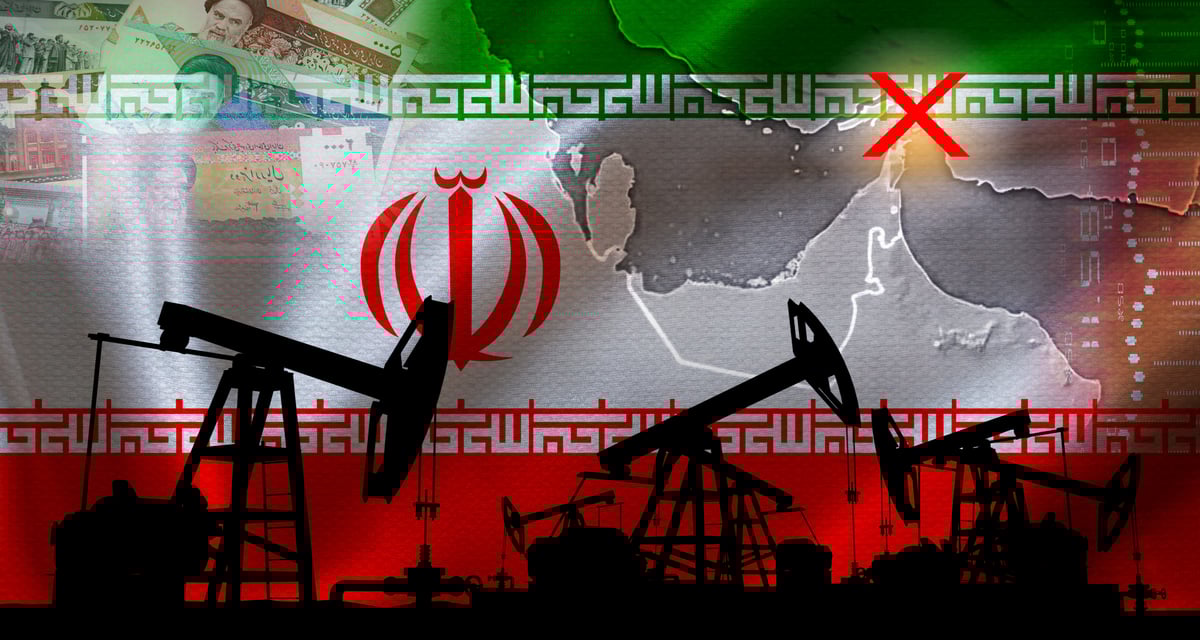
Image source: Getty Images.
A looming deadline
Oil prices were rising once again today on concerns that the peace talks between the U.S. and Iran would collapse. Brent oil, the global benchmark price, jumped from below $95 a barrel to nearly $100 before settling around $97. Meanwhile, WTI, the main U.S. oil benchmark, rose from the high $80s to low $90s, topping out just below $95 at one point.
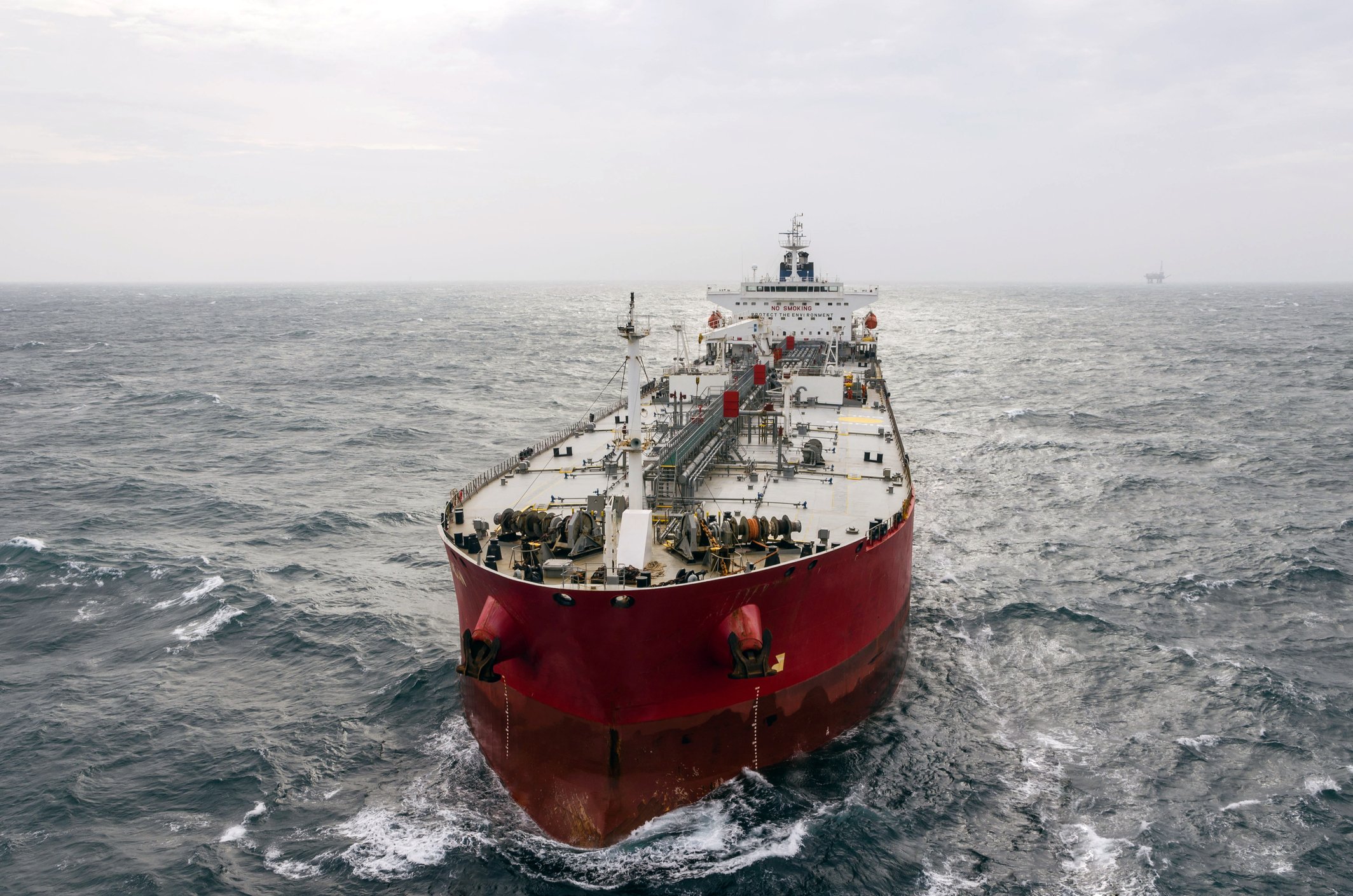
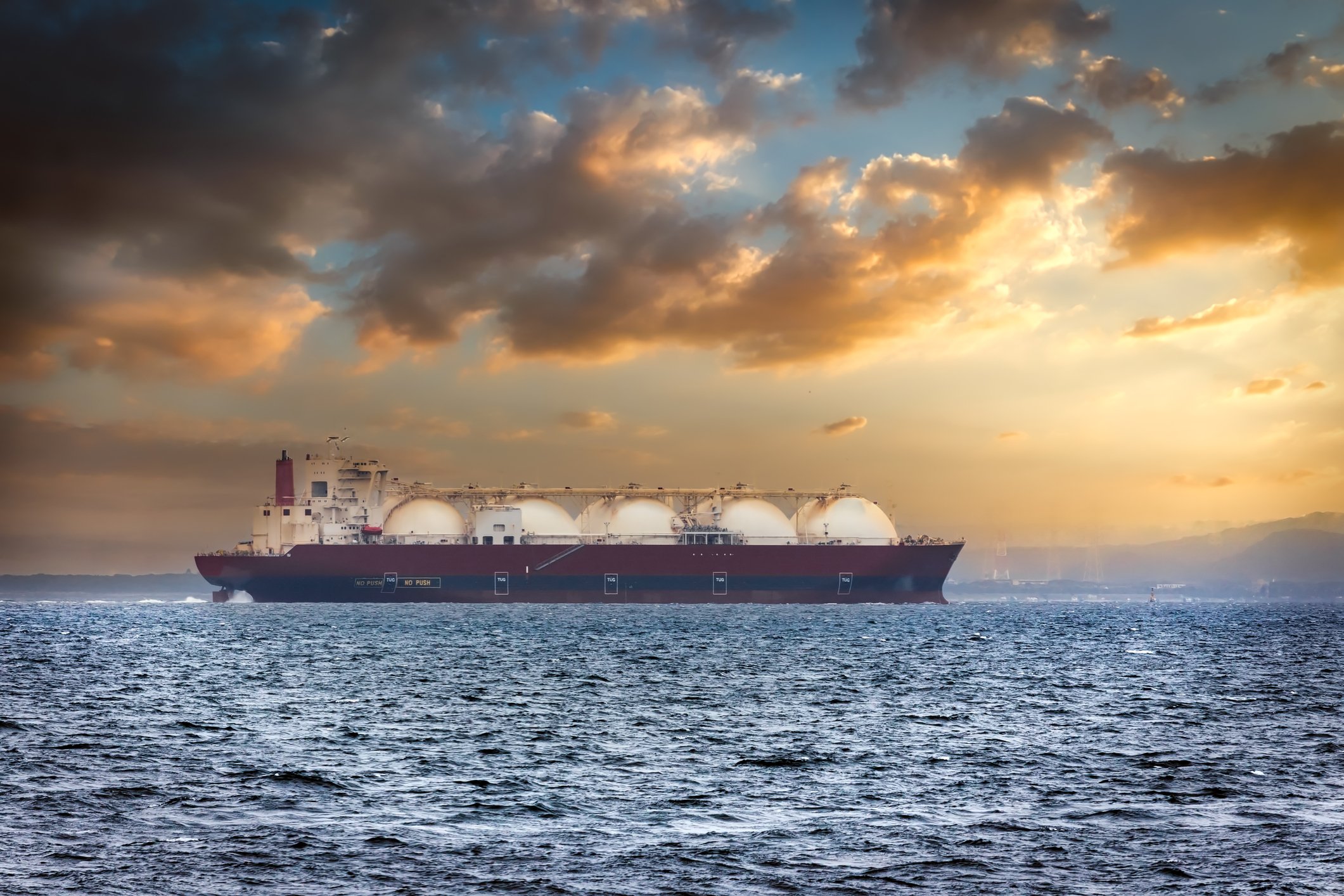
If the war resumes, oil prices will undoubtedly rise sharply. At a minimum, a resumption of the war means that the Strait of Hormuz will remain effectively closed for even longer. The closure of that key waterway is impacting 20% of global oil and liquefied natural gas (LNG) supplies. While emergency global stockpiles and bypass pipelines have helped offset some of this impact, they can't fully offset a long-term closure of this crucial waterway.
In addition to continued disruptions in the Strait, a resumption of the war risks further chokepoint closures, such as Bab el-Mandeb in the Red Sea. That would nullify the impact of Saudi Arabia's recently expanded East-West bypass pipeline.
Additionally, a resumption in bombing Iran would likely cause it to retaliate against additional energy infrastructure in the Persian Gulf. It has already damaged some LNG facilities in Qatar, knocking out 17% of its capacity for at least the next three years. Iran will undoubtedly target additional energy infrastructure throughout the Persian Gulf, including bypass pipelines, oil export terminals, and other crucial facilities. Meanwhile, the U.S. could launch attacks against Iranian oil infrastructure, such as its key Kharg Island oil export hub. Damage to these facilities could take years to repair.
Oil prices could easily eclipse their prior war-fueled peak of $119 a barrel if the war resumes, especially if Iran causes additional supply disruptions and damage to more energy facilities.
What renewed fighting means for oil stocks
A reescalation of the conflict in the Middle East will likely drive oil prices higher and keep them elevated for much longer than initially anticipated. That means oil companies will reap much higher profits in the near term. However, those operating in the Middle East also face risks that could limit their ability to fully capitalize on higher prices.
For example, U.S. oil giant ConocoPhillips (COP 1.66%) initially expected to generate an additional $1 billion in free cash flow this year due solely to cost-saving initiatives. It produced $7.3 billion last year when Brent averaged $69 a barrel, and WTI was just below $65. It will produce a lot more cash in 2026, given that oil prices are currently well above those levels. However, it won't fully capitalize on higher energy prices due to the war's impact on its LNG investments in Qatar. Its operating facility can't export LNG due to the closure of the Strait of Hormuz, and security risks could delay the completion of two new LNG trains currently under construction if the war resumes (ConocoPhillips initially expected the first one to come online in the second half of this year).

NYSE: COP
Key Data Points
Fellow U.S. oil and gas producer Occidental Petroleum (OXY 1.80%) is in a similar boat. It is expected to generate over $1.2 billion of additional free cash flow this year without any benefit from higher oil prices, largely due to cost-savings initiatives. That number will balloon now that crude prices are higher. However, Occidental won't completely capitalize on higher prices due to the war's impact on its operations in the Middle East (Oman and the UAE). While the company hasn't reported any damage to its facilities, it could experience some should the war resume.
A reescalation isn't all good news for oil stocks
If President Trump holds firm with the ceasefire deadline and resumes bombing Iran when it passes without a peace deal, oil prices will surely spike. That would certainly benefit oil companies' bottom lines. However, a prolonged war could have more lasting impacts on oil companies with investments in the Middle East, such as ConocoPhillips and Occidental Petroleum, which is a risk investors need to monitor.