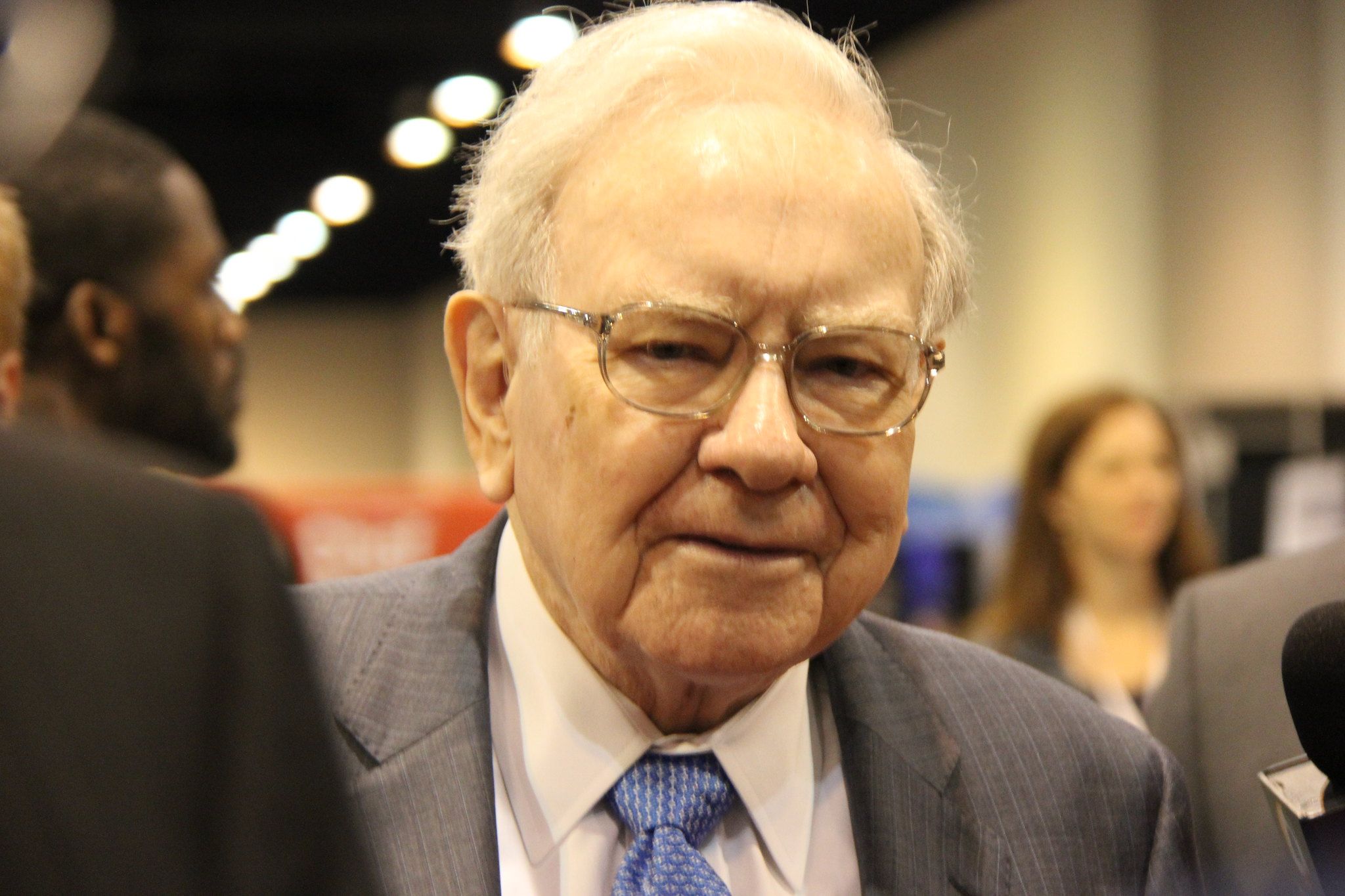
Less than four months ago, on Dec. 31, Berkshire Hathaway's longtime boss, Warren Buffett, hung up his work coat for the final time as CEO and retired. Now, Wall Street is preparing to lose another titan to retirement: Apple (AAPL +1.23%) CEO Tim Cook.
On April 20, Apple announced that Cook will retire as CEO on Sept. 1, 2026, and transition to executive chairman of Apple's board. Succeeding Cook is John Ternus, an Apple employee for a quarter-century who currently serves as the senior vice president of Hardware Engineering. Ternus has a keen understanding of the company's physical devices (iPhone, Mac, iPad, and Apple Watch), which remain its key revenue driver.
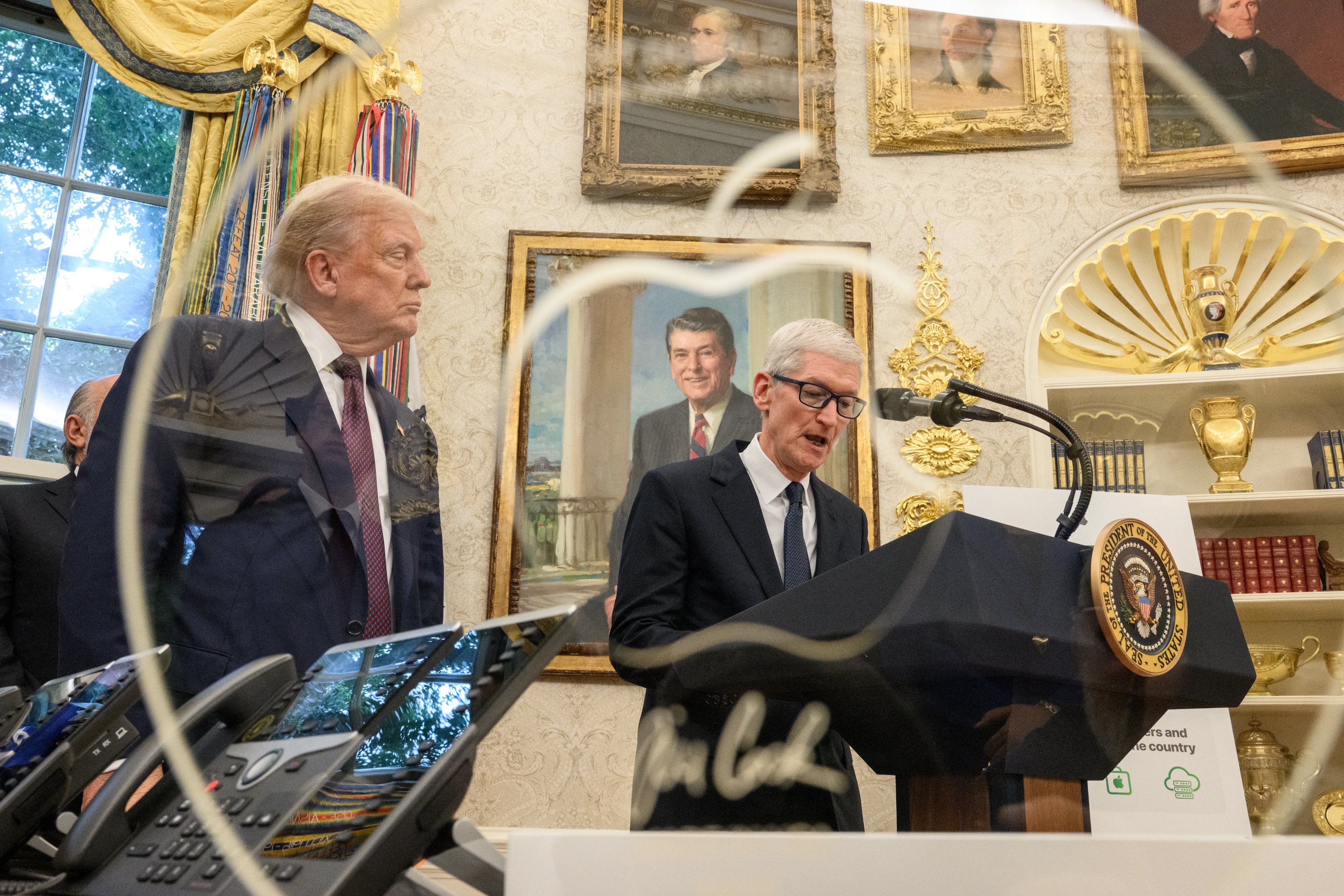
Apple CEO Tim Cook delivering remarks from the White House. Image source: Official White House Photo by Daniel Torok.
Tim Cook transformed Apple into a services-driven company
Since Cook officially succeeded co-founder Steve Jobs as CEO on Aug. 24, 2011, shares of Apple have skyrocketed by more than 2,300% on a total return basis, including dividends.
Under Cook's tenure, we've watched Apple shift its focus away from physical devices and toward a platform ecosystem. Apple's subscription services have collectively grown at a steady pace and should, over time, lessen the revenue peaks and valleys that often accompany major iPhone upgrade cycles. Not to mention, subscription services sport juicier margins than physical devices.
But it's arguably not innovation that has been Tim Cook's biggest contribution to Apple over his nearly 15 years as CEO. Instead, an $841 billion acquisition under Cook's leadership has transformed Apple as an investment.

Image source: Getty Images.
This $841 billion investment delivered in a big way for Apple's shareholders
In addition to becoming CEO, Cook joined Apple's board of directors in 2011. Here, along with other board members, Cook helped shape the largest share repurchase program on Wall Street.
Since initiating a buyback program in 2013, Apple has spent a shade over $841 billion to repurchase its common stock. In the process, it's lowered its outstanding share count by more than 44%.
For companies with steady or growing net income, such as Apple, buybacks often lead to an increase in earnings per share (EPS). Higher EPS, in turn, can make a publicly traded company more fundamentally attractive to value-seeking investors. There's little question that retiring more than 44% of the company's outstanding shares has given Apple stock a boost.
AAPL Apple
NASDAQ · As of 4:00 PM ET 10/22/26

But don't overlook the impact President Donald Trump's flagship tax and spending law from his first term had on corporate America. The Tax Cuts and Jobs Act (TCJA) permanently lowered the peak marginal corporate income tax rate from 35% to 21% (the lowest level since 1939).
Trump's lowering of corporate income tax rates allowed Apple to retain more of its earnings, which led to a significant uptick in share buyback activity beginning in 2018 (the TCJA was signed into law in December 2017):
- 2013: $22.95 billion in buybacks
- 2014: $45 billion
- 2015: $35.253 billion
- 2016: $29.722 billion
- 2017: $32.9 billion
- 2018: $72.738 billion
- 2019: $66.897 billion
- 2020: $72.358 billion
- 2021: $85.971 billion
- 2022: $89.402 billion
- 2023: $77.55 billion
- 2024: $94.949 billion
- 2025: $90.711 billion
- 2026 (through fiscal Q1): $24.701 billion
With corporate tax law unlikely to change anytime soon, look for Apple to continue its aggressive share repurchase program.