The Trump administration is seeking to build an international coalition to help restore freedom of navigation in the Strait of Hormuz. The Maritime Freedom Construct (MFC) would be a joint initiative between the State Department and Pentagon. It aims to help restore ship traffic through the Strait.
Here's a closer look at the proposed initiative and what it could mean for the global energy market.

Image source: Getty Images.
Restoring the freedom of navigation
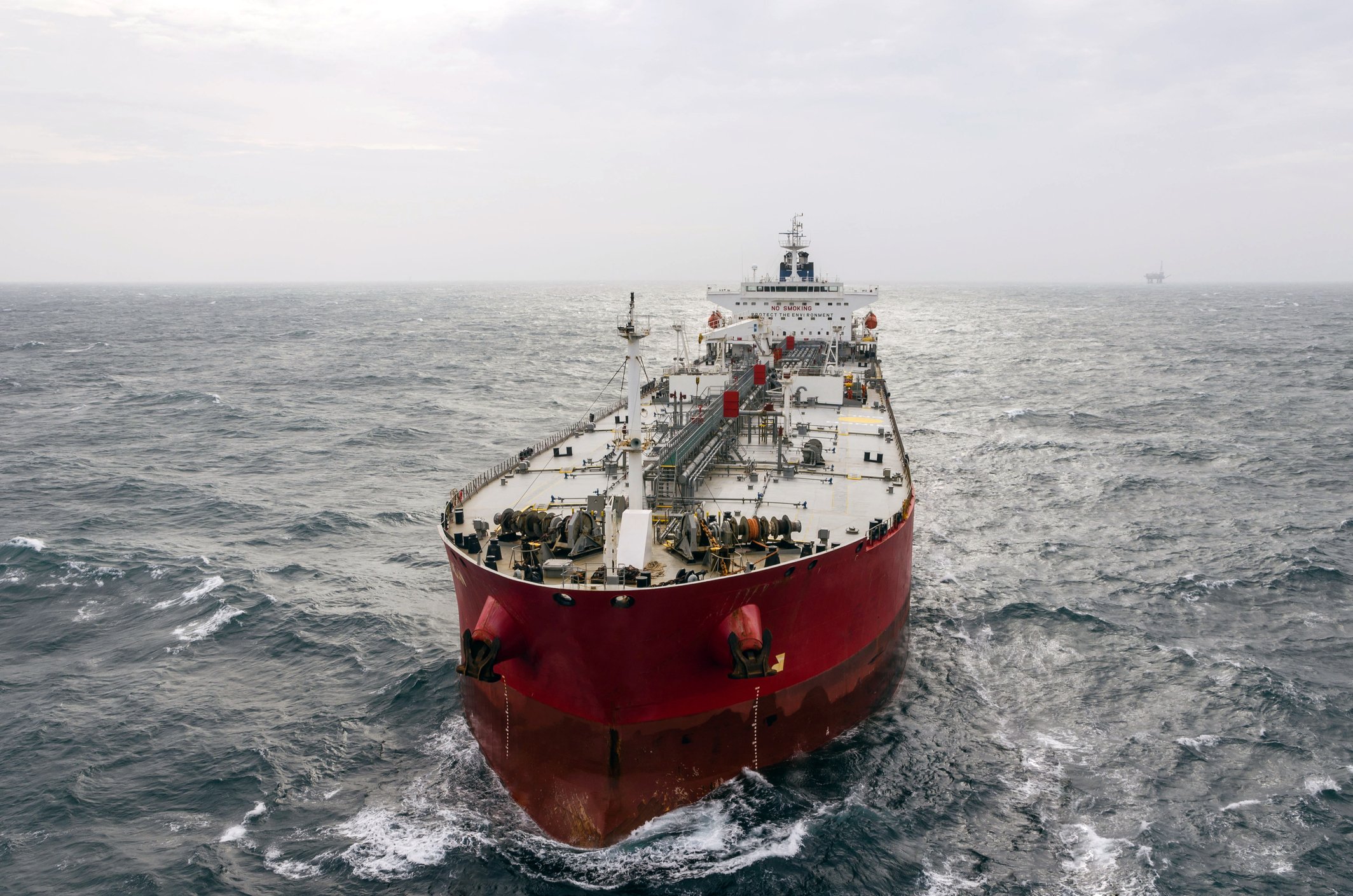
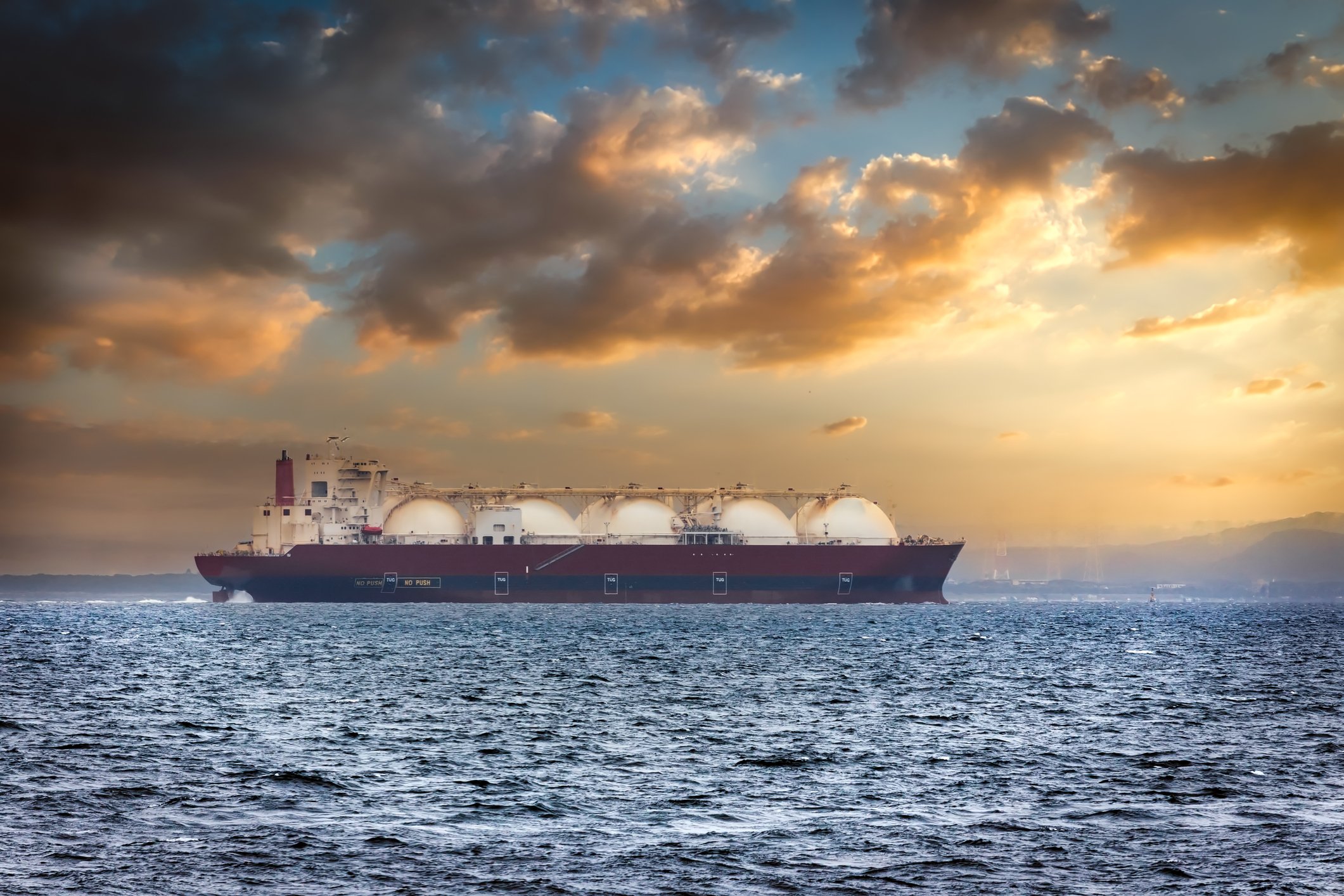
The Strait of Hormuz is a crucial waterway. Before the war, 20% of global oil and liquified natural gas (LNG) supplies moved through the Strait each day. However, traffic has slowed to a trickle due to Iran's attacks on ships trying to move through the Strait and laying sea mines. That has caused a massive disruption to global energy supplies.
While Iran initially agreed to reopen the Strait following a ceasefire, it reneged after the U.S. Navy continued its blockade of Iranian-linked ships. That's leading the Trump administration to seek out alternative ways to reopen the Strait. U.S. Secretary of State Marco Rubio approved the creation of the MFC as a "critical first step in the establishment of a post-conflict maritime security architecture for the Middle East." The State Department would serve as the diplomatic hub between partner countries and the shipping industry, while the Pentagon would coordinate real-time maritime traffic and communicate with vessels transiting the Strait. The State Department is asking for other countries to participate through diplomacy, information sharing, sanctions enforcement, naval presence, or other forms of support.
Time is ticking
Reopening the Strait to commercial traffic is crucial to the global economy. Its continued closure would likely cause oil prices to rise even further and remain elevated long after it reopens due to the time required to restore shut-in production and rebuild global inventories. JPMorgan recently warned that oil could top $150 a barrel if supply flows through the Strait remain disrupted through mid-May. Higher oil prices will eventually slow the global economy, risking a recession later this year.
Even if the latest U.S. initiative is successful in restoring ship traffic in the Strait, oil prices will likely remain elevated this year. JPMorgan's base case is that the Strait reopens through negotiations well before mid-May. Under this scenario, oil would remain above $100 throughout the second quarter before moderating in the second half of this year. Goldman Sachs has a similar base forecast. It assumes flows through the Strait fully normalize by the end of June, which should push oil below $90 by the end of this year.
Still, even under these rather optimistic scenarios, oil prices will remain high for the rest of this year. That will benefit oil stocks.

NYSE: COP
Key Data Points
U.S. oil and gas giant ConocoPhillips (COP 1.66%) reported better-than-expected first-quarter results today, generating $1.89 per share of adjusted earnings, beating the $1.68 per share consensus estimate. While the war impacted its LNG production in Qatar (which it expects will continue through the entire second quarter), it reported significantly higher earnings and cash flow than in the fourth quarter. If oil averages $80 this year, it will produce over $25 billion in cash flow from operations. That's well above its initial expectations that oil would average around $60 a barrel, enabling it to produce less than $20 billion in cash. The company is reinvesting about $500 million of that windfall to drill more wells in the Permian Basin this year, boosting oil supplies. It could eventually return more cash to investors through additional share repurchases.
A new approach to reopen the Strait
The U.S. is working to reopen the Strait of Hormuz without lifting the Navy blockade of Iran. The joint global initiative would help restore the free flow of commercial traffic in the crucial waterway. It's a potentially important step toward restoring normalcy to global energy markets, but it will take time. As a result, oil prices will likely remain elevated for the rest of this year, enabling oil companies like ConocoPhillips to generate a lot more cash than they initially anticipated. That makes oil stocks look like a solid investment opportunity right now, as they should continue to cash in even if the U.S. is successful in reopening the Strait.