I'm sure you've also noticed, but energy markets have been a little unpredictable this year, right?
It's really no wonder why. About 20% of the world's energy goes through the Strait of Hormuz and the status of that critical chokepoint as open or closed depends on who you ask and when.
The whole conflict in the region between the United States, Israel, and Iran has really laid bare how fragile global energy infrastructure is. And it likely has many countries, even those not reliant on Persian Gulf exports, reconsidering their energy strategies.
I expect Cameco (CCJ 0.98%) will emerge as one of the biggest winners of that reconsideration. Here's why.
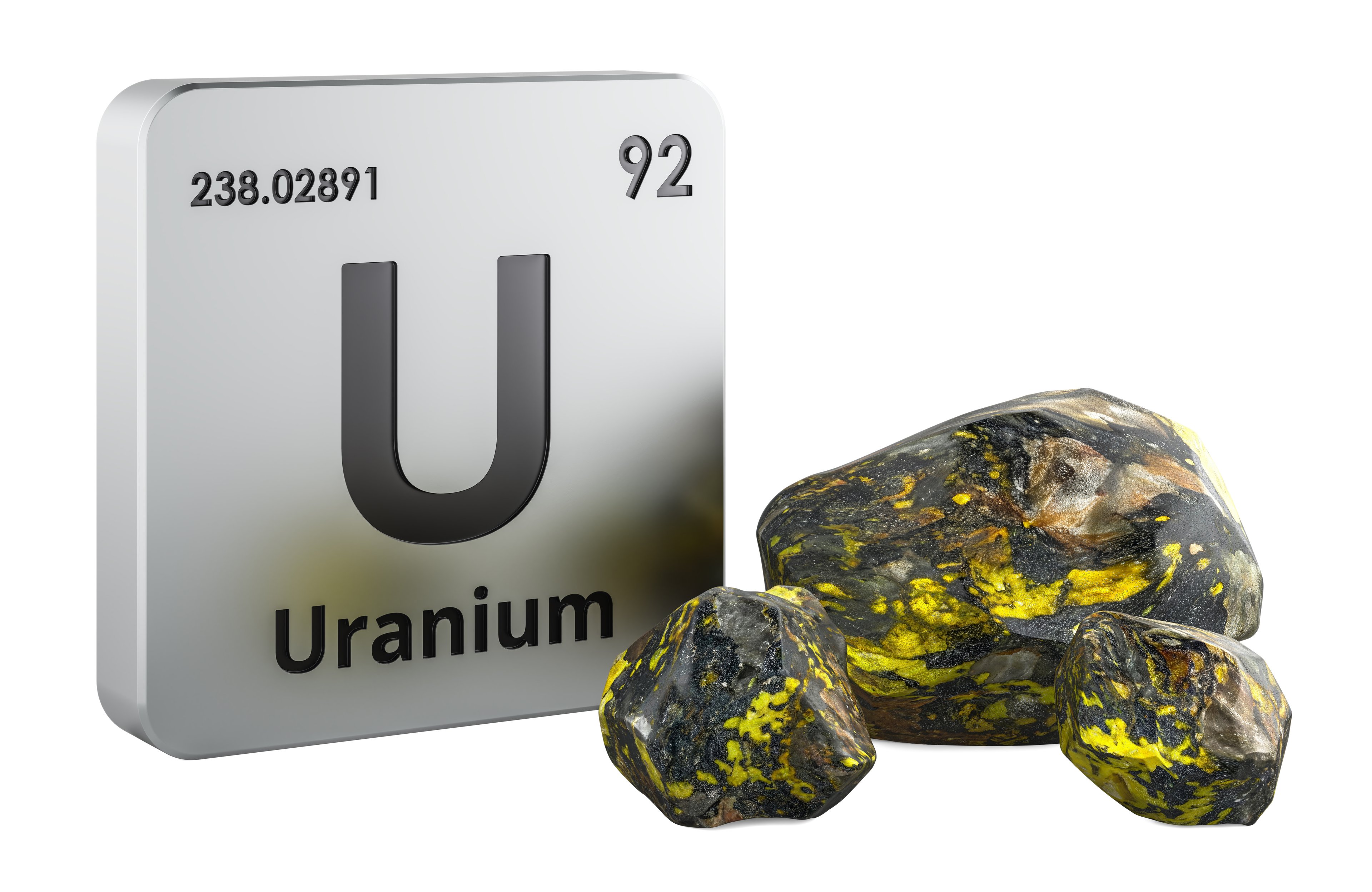
Image source: Getty Images.
The nuclear option
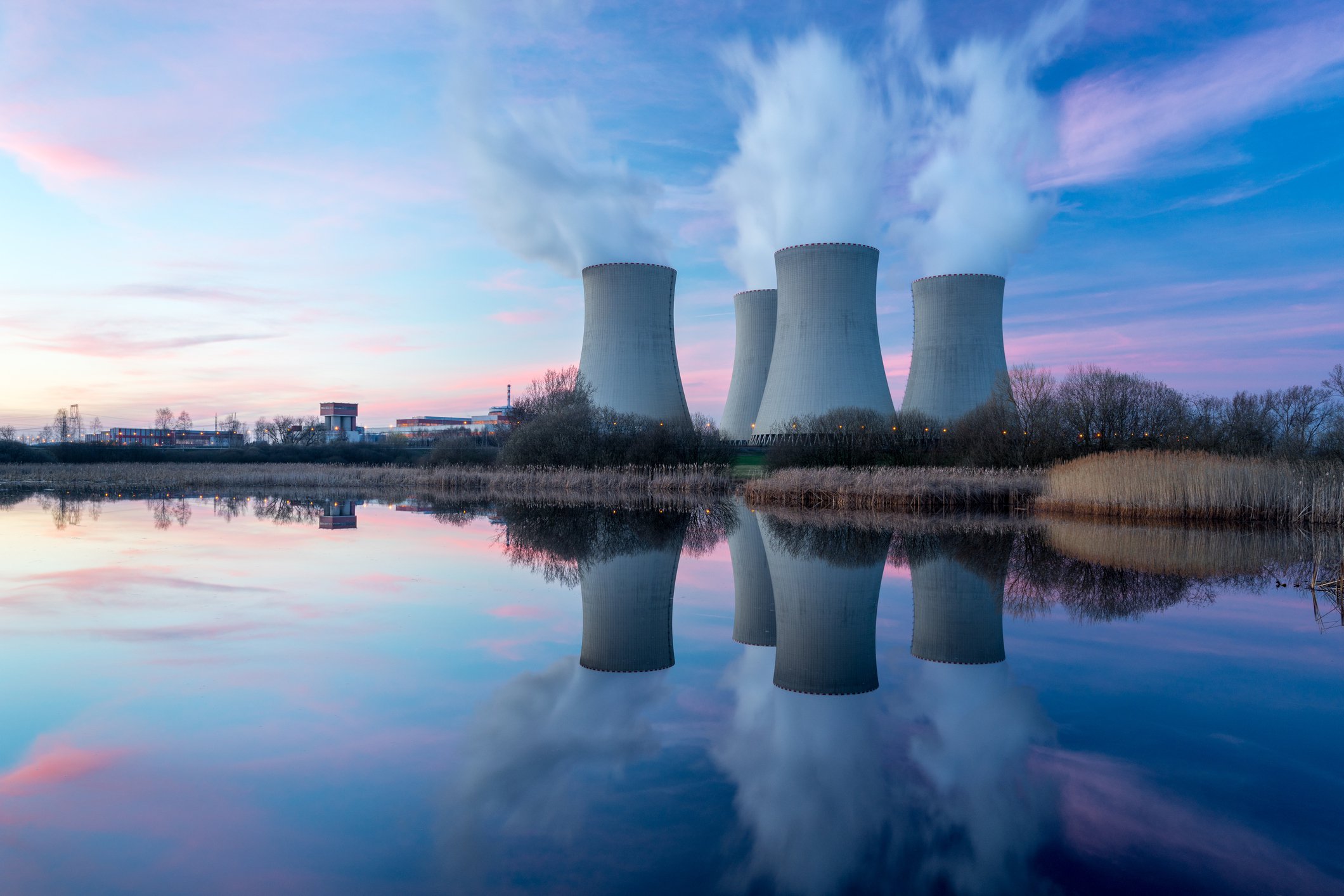
As a technology, nuclear fission has been enjoying a well-deserved and long-overdue surge in attention over the past few years. We've known how to generate power by splitting an atom since the 1950s, but it's only in the 2020s that we seem to be entering a nuclear renaissance.
Around the world, even before the Iran war, there were 75 new nuclear reactors under construction worldwide with another 120 planned.
In the United States, the Department of Energy has set a goal to triple America's nuclear output by the middle of the century, and long-dead reactors are being resurrected to serve the energy needs of data centers.
Japan is reactivating its nuclear fleet after a decade of relative inactivity. South Korea, which already generates about one-third of its power from its 26 nuclear reactors, is planning two new large reactors for completion by 2038.
China is rapidly expanding its already considerable nuclear power capabilities. The country has 61 reactors in operation with another 38 under construction.
And France is doing nothing, because it already generates almost 70% of its power from nuclear energy and has been insulated from energy market chaos since the completion of the Messmer Plan in the 1990s.
All of those reactors, new and old, need one thing to generate power: uranium. And Cameco is one of the world's premier publicly traded uranium miners.

NYSE: CCJ
Key Data Points
Spiciest rocks west of the Mississippi
Cameco is the second-largest uranium miner by production, behind only Kazakhstan's state-run Kazatomprom and ahead of Russia's Uraniumone. In 2025, Cameco was responsible for 15% of all 164 million pounds of uranium mined that year.
The secret to Cameco's success is the quality of its assets. Kazakhstan has huge uranium reserves but the average grade of its uranium deposits is less than 1%. It's relatively cheaper to extract if Cameco's Kazakh asset is anything to go by, but you need a lot of ore to make usable fuel.
Cameco's main projects are McArthur River/Key Lake and Cigar Lake.
McArthur River is the world's largest high-grade uranium mine with an average grade of 6.48% and a cost per pound of $14.96. Cigar Lake is a smaller mine with a much higher grade of 16.33% and a cost per pound of $15.55. The mines have large enough reserves to continue producing until 2044 and 2036, respectively.
Finally, there's JV Inkai, Cameco's Kazakh mine. It has an average grade of just 0.03% but a per-pound operating cost of $9.29.
All of those operating costs are low considering the incredible run uranium has been on in the past year. It's $86 per pound at present and is up 26.3% over the past 12 months. Prior to the Iran war, it was the only energy resource to have increased in value over that period.
Far from a one-trick atomic pony
But Cameco does far more than mine uranium; it also refines it and turns it into finished fuel rods. It produced 14 million kilograms of finished fuel in 2025 and aims to produce about the same in 2026.
Finally, Cameco is also profiting from the reactors its fuel powers through its 49% ownership of Westinghouse via a joint venture with Brookfield Asset Management.
Westinghouse is an engineering company that produces the AP1000, the most advanced commercially available nuclear reactor. The U.S. has two of them with another 10 planned, China has four with 14 under construction, India has selected it for six new ones, Ukraine has contracted for nine, Poland for three, and Czechia and Bulgaria for two each.
In fact, if India completes construction of some of its AP1000s in the next couple of years, Cameco uranium will almost certainly fuel them. In March, India and Cameco signed a $1.9 billion uranium ore purchase agreement that will see Cameco supply the country with 22 million pounds of concentrated uranium ore between 2027 and 2035.
And Cameco's results in 2025 speak for themselves.
The company's revenue grew 11% over 2024 and its earnings per share (EPS) grew 246% over the same period. It also maintains a net profit margin of 16.93% and a very healthy balance sheet with a debt-to-equity ratio of 0.14.
Put all that together, and you have not only my favorite energy stock to buy in May, but my favorite energy stock for the next several years at least.