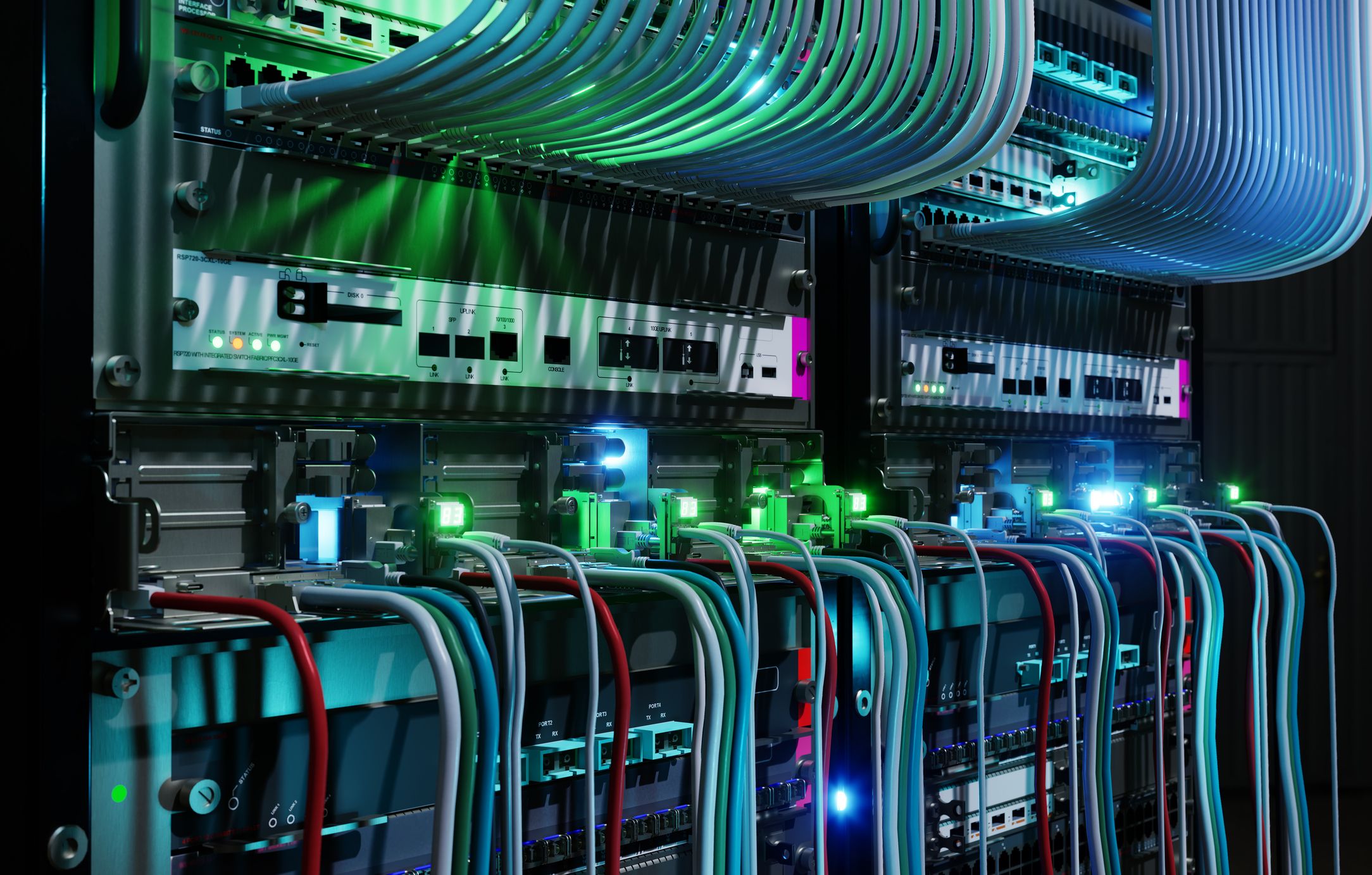
It's started to feel as if the artificial intelligence (AI) spending cycle has entered a build-out recently. Hyperscalers -- including Amazon, Microsoft, and Meta Platforms -- have shown that they are spending more on AI infrastructure in 2026 than ever before. That money doesn't all go to Nvidia.
A surprising amount of it lands in smaller, specialized companies that most retail investors don't know about. Two of them stand out right now as genuinely compelling, non-obvious growth opportunities. They are gaining popularity, but they have not peaked yet.
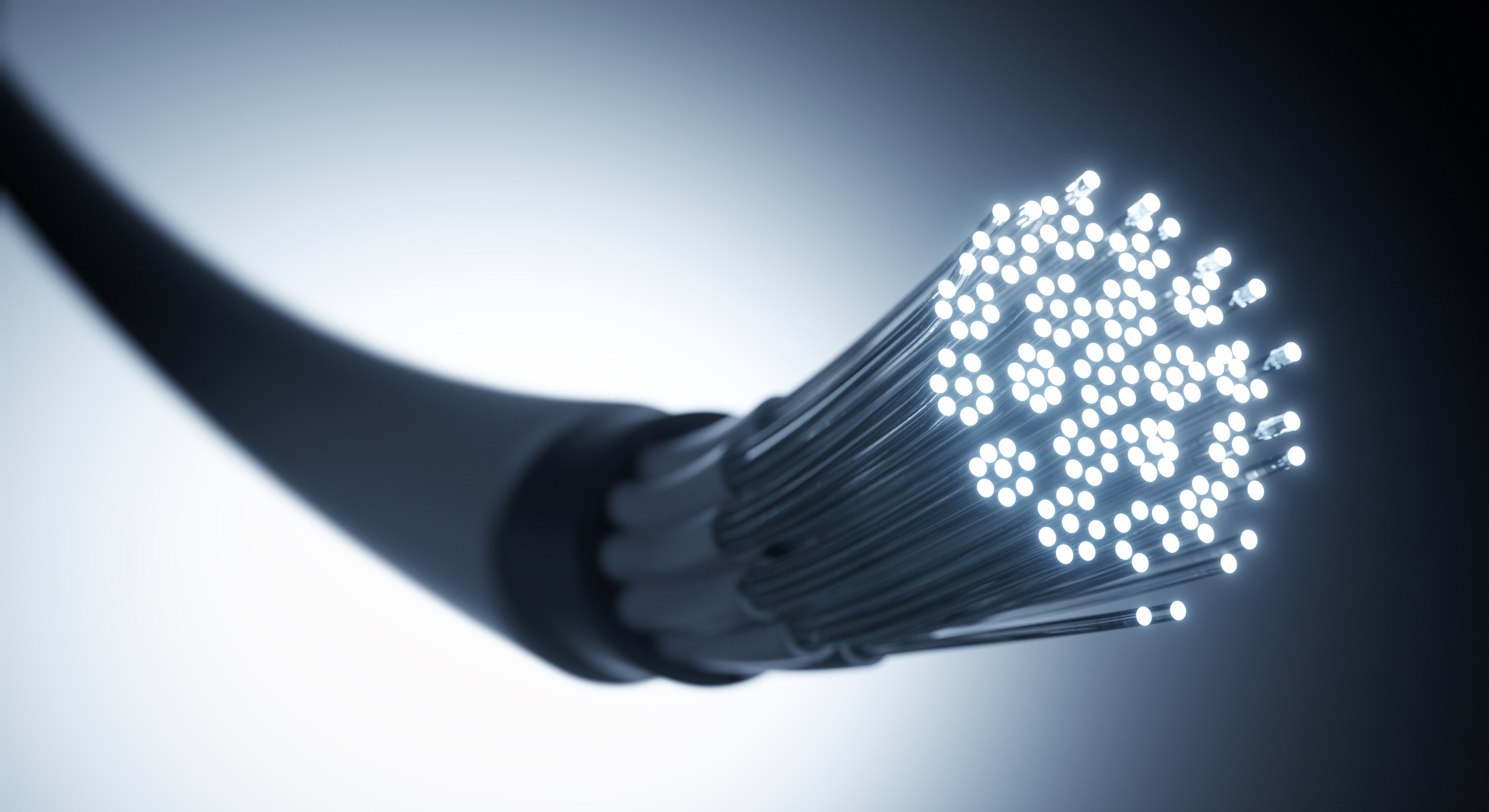
Image source: Getty Images.
1. Credo Technology Group
Most people understand that AI data centers run on GPUs. Fewer understand that those GPUs are only as fast as the cables and chips that connect them. That's the problem Credo Technology Group (CRDO -7.26%) is solving. Hyperscalers are paying handsomely for the solution.

NASDAQ: CRDO
Key Data Points
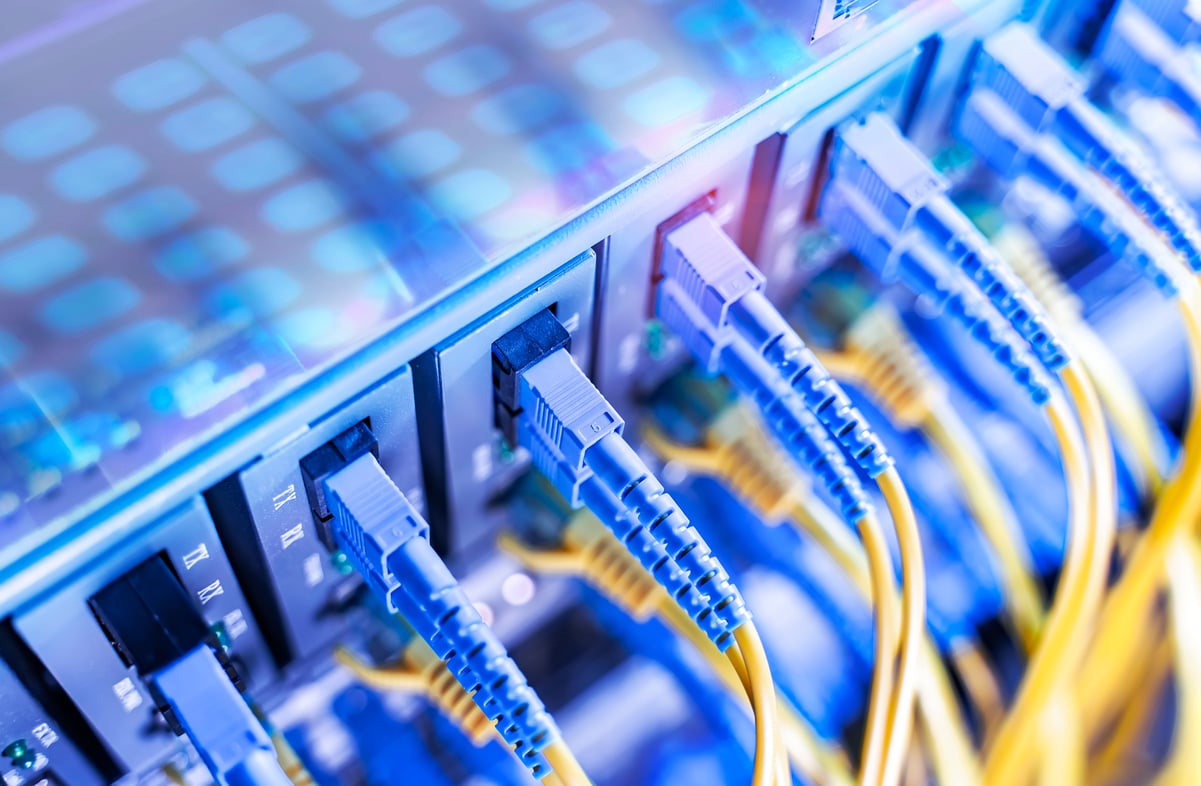
Credo makes Active Electrical Cables (AECs) and optical Digital Signal Processors (DSPs) that connect clusters of AI chips inside data centers. These cables offer roughly 50% more power efficiency than traditional optical alternatives -- a massive selling point as data centers grapple with energy consumption. That efficiency advantage, combined with Credo's proprietary "ZeroFlap" reliability technology, has made the company the dominant player in the AEC market.
The financial results reflect this positioning. For its third fiscal quarter of 2026, Credo reported revenue of $407 million -- a staggering 202% year-over-year increase and 52% sequential growth, driven by accelerating AEC adoption from major hyperscalers including Amazon and Microsoft. Q4 guidance called for $425 million to $435 million in revenue. The company also settled patent disputes with both TE Connectivity and Molex in late March 2026, removing a meaningful legal overhang that had clouded the story.
The risk investors need to weigh is customer concentration. A handful of hyperscalers account for the bulk of Credo's revenue, meaning any slowdown in AI capex spending -- or a shift to competing interconnect technology -- could hit results hard and fast. Credo is not a defensive stock; it is a high-velocity, high-stakes bet on AI infrastructure continuing to scale. Investors willing to accept that volatility are buying what may be the most direct, non-GPU way to own the physical fabric of AI.
2. UiPath
Of the two names here, UiPath (PATH -1.19%) is the most misunderstood and least popular among retail buyers. The company spent several years being written off as a legacy robotic process automation (RPA) player, losing ground to large cloud vendors. That narrative is now dangerously out of date.

NYSE: PATH
Key Data Points
UiPath has repositioned itself as what it calls the "execution layer" for enterprise agentic AI. Enterprise agentic AI is the platform that connects AI agents to actual business systems, enabling them to do real work with governance, traceability, and reliability. This matters because AI agents built by OpenAI or Anthropic are impressive in demos and frustrating in production. Enterprises need orchestration. They need audit trails. They need something that won't hallucinate in a regulated workflow. UiPath is building that.
The financials have started to catch up with the thesis. For its full fiscal year 2026 (ended Jan. 31, 2026), UiPath reported revenue of $1.611 billion, up 13% year over year, with ARR of $1.853 billion, up 11%. More importantly, the company achieved GAAP profitability for the first time in its history, posting $57 million in GAAP operating income for the year -- a meaningful inflection after years of losses.
CEO Daniel Dines noted that "customers increasingly need a platform that can execute complex processes with reliability, governance, and scale," and pointed to the company's unique combination of deterministic automation, agentic AI, and enterprise orchestration as its competitive moat.
UiPath has also been actively expanding its AI solutions portfolio, announcing agentic solutions for healthcare revenue cycle management, procurement finance workflows, and financial crime compliance through the acquisition of WorkFusion. The company was recognized by G2 across five software award categories in 2026, including Best Agentic AI Software Products.
The risk here is straightforward: Microsoft and other large platform vendors are all building their own automation and AI agent capabilities. UiPath must continue proving that its specialized, enterprise-grade orchestration is worth a stand-alone budget line -- not something absorbed into a hyperscaler contract. The $8.2 billion market cap and forward revenue guidance of $1.754 billion to $1.759 billion for fiscal 2027 suggest the market is giving the company credit for steady growth, but not yet for a full AI rerating.