Hoosiers are used to low gas prices. Usually, Indiana residents pay less than the national average -- sometimes much less -- to fill their tanks.
But that all changed this week when Indiana's gas prices skyrocketed to an average of $4.81/gallon for regular unleaded gasoline, currently outstripping the national average by $0.35/gallon and putting Indiana into the top 10 most expensive states for filling your tank. That's not a top 10 list anyone wants to be on.
What happened? Well, it's not just the war in Iran. In fact, it's something that happened right here in Indiana that's to blame.
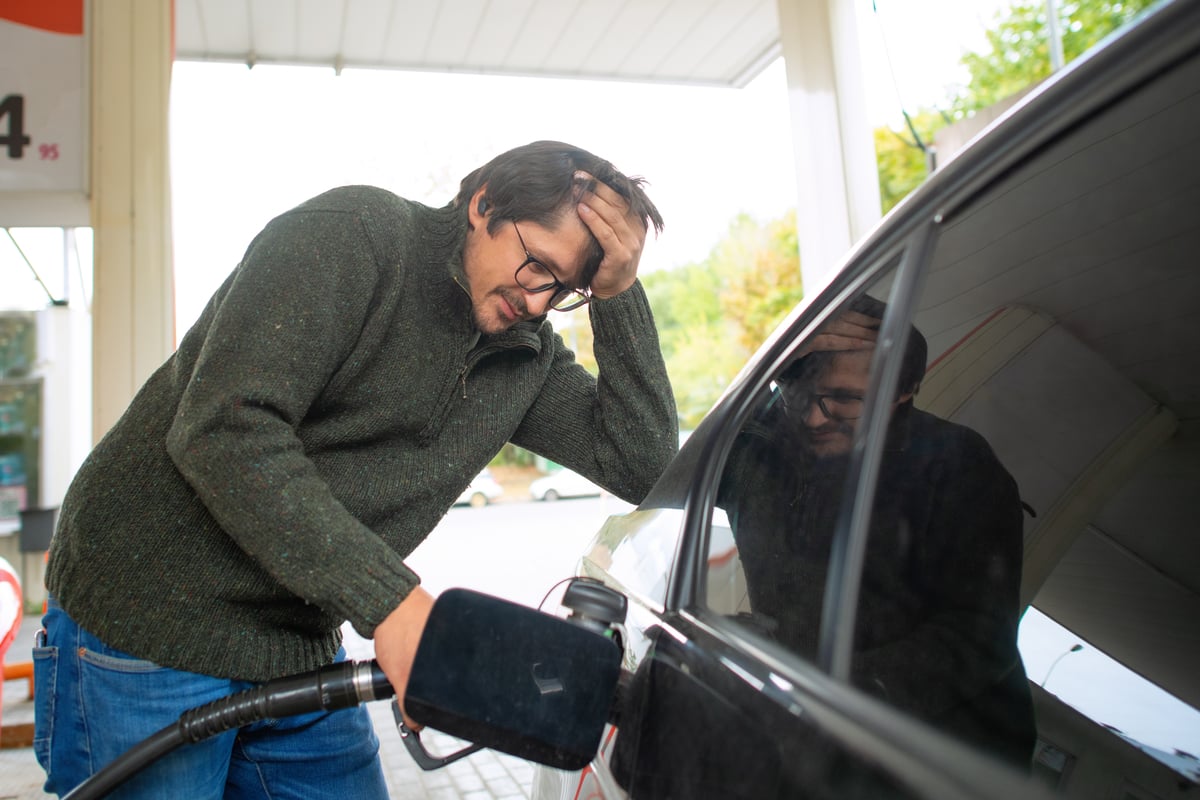
Image source: Getty Images.
An outsized spike
It's not that the Iran war has nothing to do with high gas prices. The ongoing war is the major reason gas prices have been high for the last two months.
Gas prices have risen sharply since the war's start, and not just in Indiana. A year ago, the national average price for a gallon of regular unleaded gasoline was $3.17/gallon. A month ago, that had shot up to $4.11/gallon. Today, it's sitting at $4.46/gallon.
But until this week, Hoosiers were paying far less. A month ago, Indiana's average regular unleaded gas price was just $3.91/gallon ($0.20/gallon below the national average). But today, it's $0.35/gallon more expensive than the already-high national average. What happened?
Electricity happened. Or rather, a lack thereof.
Indiana is the epicenter
The electrical failure occurred at BP's (BP +0.59%) largest gasoline refinery in the world: the Whiting Refinery in Whiting, Indiana.
That's right: Northwest Indiana is home to the largest gasoline refinery in the country outside of Texas and Louisiana. Although it's owned by British oil major BP, it doesn't just refine gasoline for BP. The refinery also produces diesel fuel and jet fuel, producing a total of about 16 million gallons of fuel per day.
Some of that fuel goes to BP gas stations, but the rest is sold to many other customers, including competing gas station brands. That makes Whiting Refinery the largest supplier of gasoline for the Great Lakes region.
That is, when the refinery is online. It's currently partially shut down thanks to an electrical outage that occurred on April 26. That outage caused wholesale prices of gasoline to soar across the state.
Consumers have only just begun to feel those elevated prices because it took a few days for them to be felt at the retail level. The high prices are expected to continue until the refinery is fully back online, which could be in a few days ... or a couple of weeks.
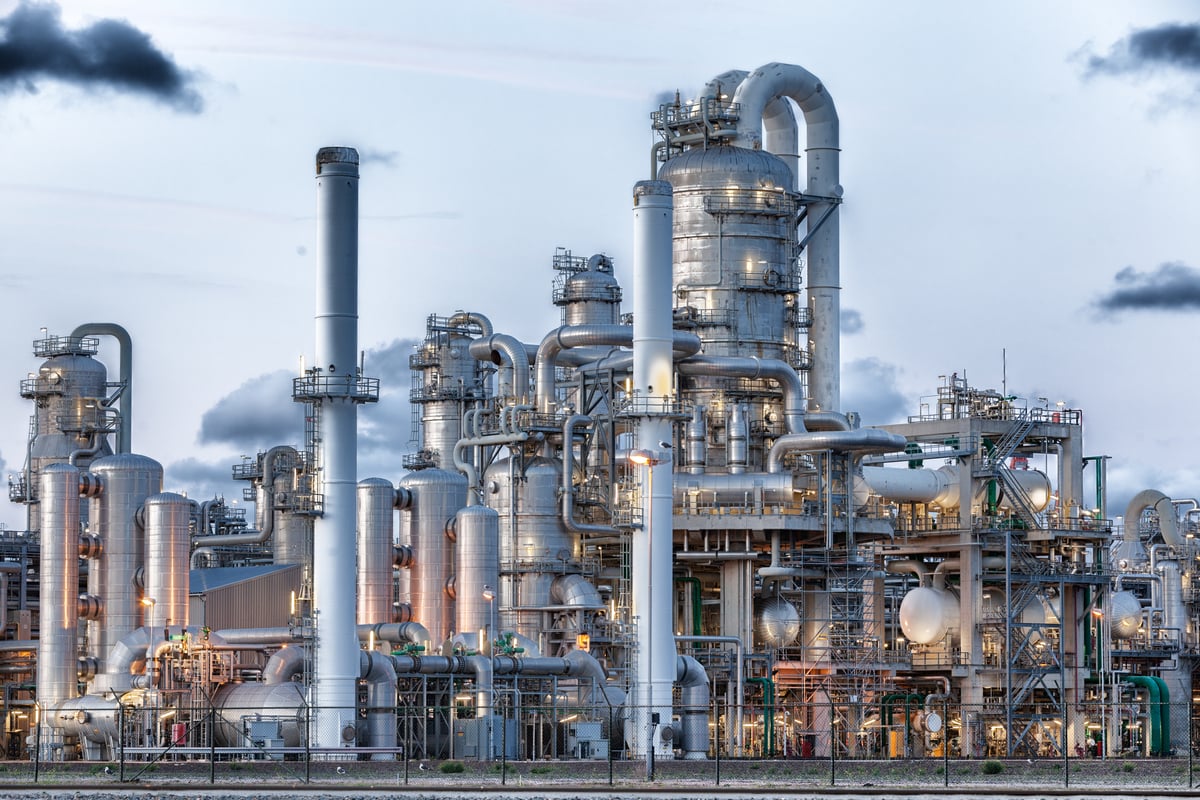
Image source: Getty Images.
What does it mean?
Indiana drivers may want to avoid filling up their vehicles and instead only buy gas they plan to use immediately, at least until the Whiting Refinery is fully operational and its wholesale capacity has been restored.
BP shareholders could see product revenue and earnings take a small hit due to the outage. That said, it shouldn't have much impact on the company's bottom line. The last Whiting outage, in October 2025, helped reduce BP's Q4 products earnings before interest and taxes (EBIT) by about $100 million to $1.4 billion. Considering the company's 2025 EBIT was $12.9 billion, that's not much of an impact, and it's only a short-term one.

NYSE: BP
Key Data Points
Another lesson is that regional price fluctuations due to supply and demand can occur just as easily when baseline prices are high as when they are low. The only difference is that when prices are already high, consumers feel the pain a lot more.