The online used-car retailer Carvana (CVNA +0.70%) officially implemented its 5-for-1 stock split yesterday and began trading on a split-adjusted basis today. The company first announced the stock split back in March.
Each Carvana shareholder received five shares of Carvana for each one share they owned prior to the split. Shares closed yesterday at around $400 and opened today at around $80.
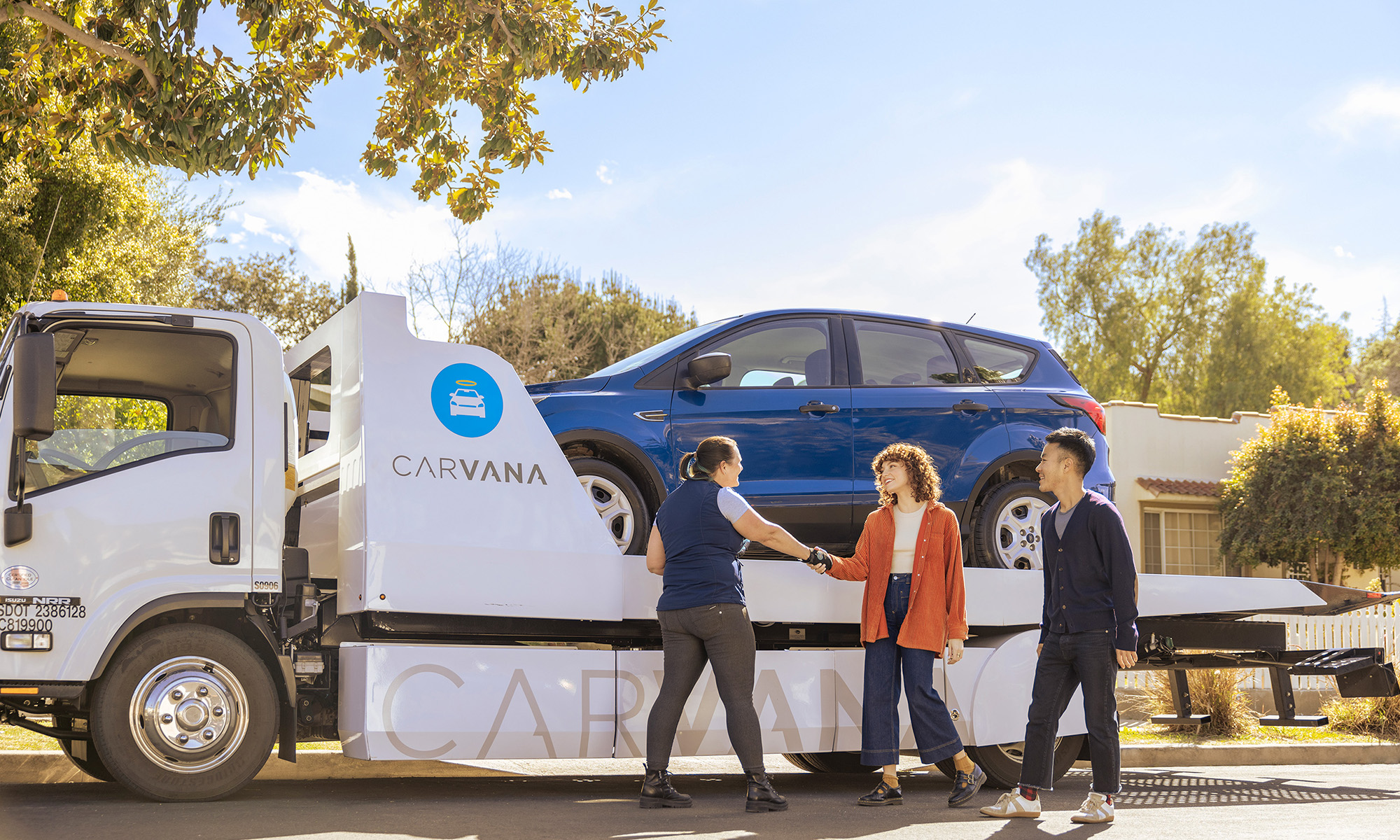
Image source: Carvana.
In forward stock splits, the share price declines and the outstanding share count increases, but the market cap and, therefore, a shareholder's equity remain the same.
"This is the first split in Carvana's history, and we believe it achieves the important goal of keeping our stock accessible to all of our team members," Carvana's CFO Mark Jenkins said in a statement when the split was announced back in March. "This decision follows significant stock appreciation as Carvana reached new all-time records for units and profitability while continuing to lead the industry in growth in 2025."
Here's everything Carvana investors need to know about the 5-for-1 stock split.
Forward Stock splits are typically positive
The good news about forward stock splits is that they tend to occur for the exact reason Jenkins discussed in his statement: to make shares feel more accessible to investors. This usually occurs after a stock goes on a big run.
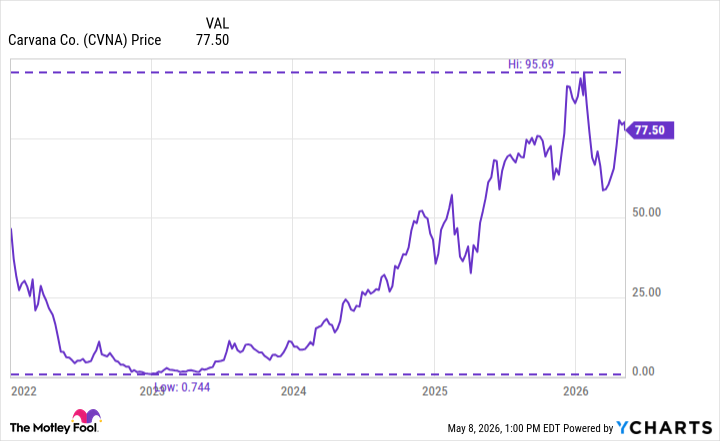
This is an understatement for Carvana, which saw its stock explode from less than $1 in late 2022 to over $77 on a split-adjusted basis. Remember, prior to the split, Carvana's stock had reached $400.
Investors should keep in mind that reverse stock splits, which artificially lift a share price, are typically not a good sign because they suggest that management doesn't believe they can boost the price through operational execution in the near term.
How is the stock positioned following the turnaround?
Carvana is arguably one of the most remarkable turnaround stories ever. The company faced bankruptcy in 2022. But thanks to soaring used-car prices and elevated used-car sales, the company experienced a resurgence. Carvana also lowered expenses and reduced debt.
Toward the end of last year, Carvana joined the S&P 500 index, another extraordinary accomplishment. So, where does the company stand now after such a massive run in the stock?
Well, it's seen no shortage of controversy. In January, the short-seller Gotham City Research accused the company of overstating earnings by more than $1 billion due to loan and accounting anomalies and an over-reliance on debt from a company owned by the Garcia family, which also owns Carvana.
It's not the first time a short-seller has made these allegations against Carvana , but the company and its stock seem to have shaken them off.
Carvana still seems to be in a good environment for used vehicles, as affordability remains an issue. However, elevated gas prices may be starting to put pressure on used-car prices.
After the big multi-year run, Carvana trades at over 50 times forward earnings, but only 2 times forward revenue. Given the high earnings multiple, I'm more inclined to give the stock a breather right now.