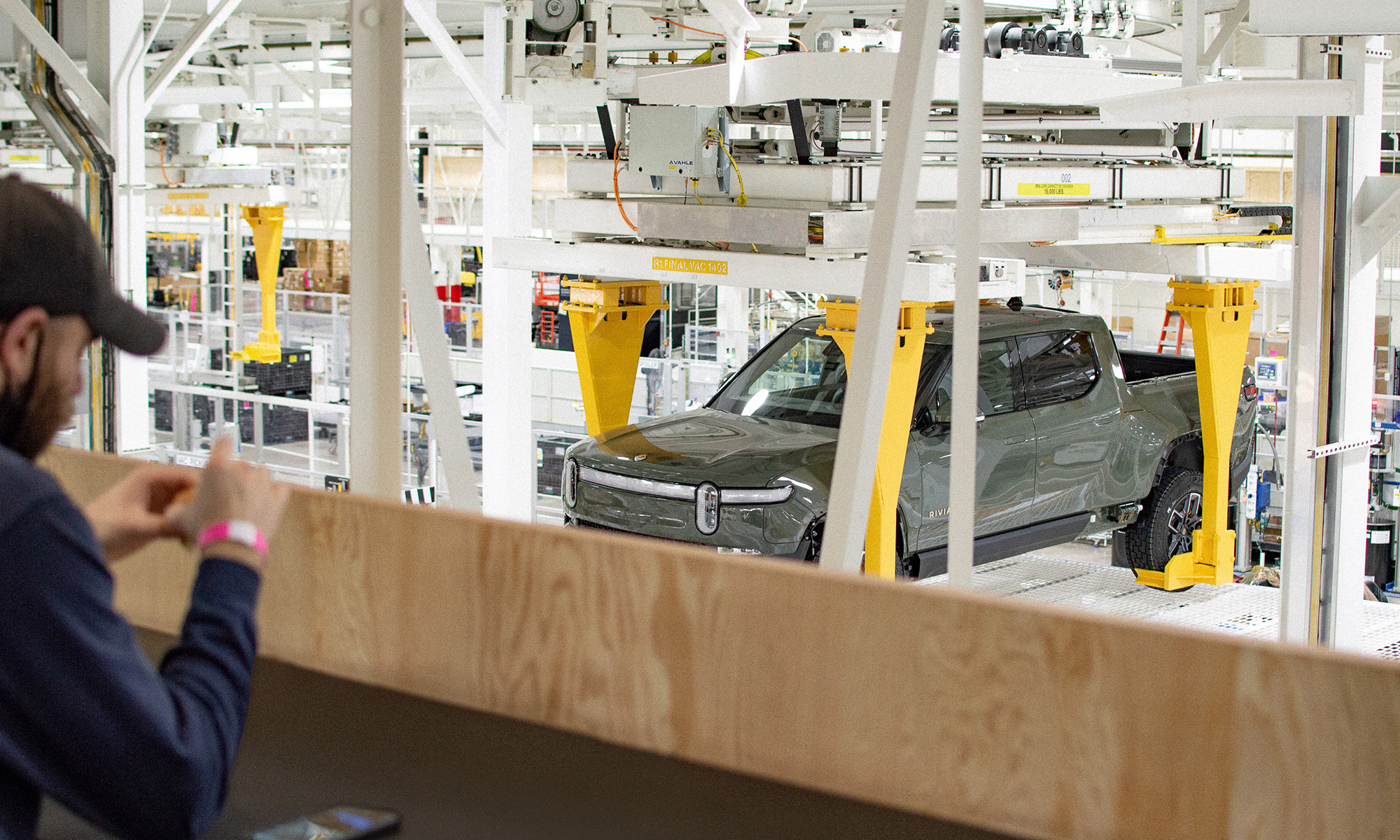
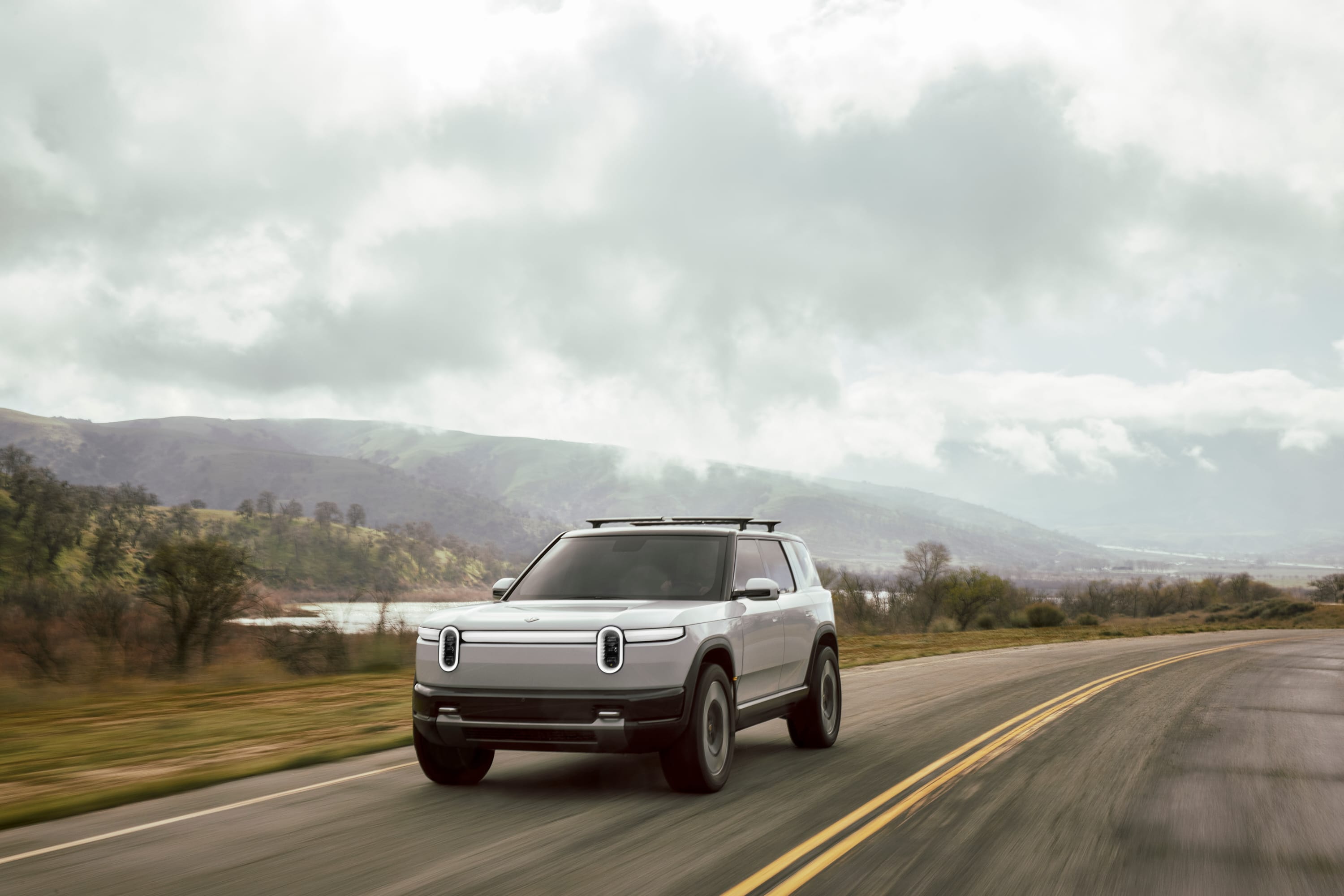
Rivian Automotive (RIVN +2.47%) shifted gears and accelerated during the first quarter, reporting a narrower-than-expected loss, and that was just one of many developments.
The electric vehicle (EV) maker also announced it was increasing production at its soon-to-be Georgia plant to 300,000 vehicles a year, up from 200,000. And it announced a partnership with Uber Technologies that could put tens of thousands of R2 robotaxis on the roads by the end of 2030.
Despite solid first-quarter results, there were a couple of developments to the downside that investors should note.
Sound the alarm?
Scratching the surface, Rivian's deliveries appear solid, checking in at 10,365 vehicles during the first quarter, up from the prior year's 8,640 units. The EV maker's consolidated revenue increased 11% over the same quarter in 2025, but that was largely driven by a 49% gain in software and services revenue, compared to a 2% decline in automotive segment revenue.
Zeroing in on Rivian's slight decline in automotive revenue, there were two primary driving forces behind the result. First, there was about a $100 million decrease in sales of automotive regulatory credits. Second, there was a decline in automotive revenue per unit delivered because Rivian recorded a higher sales mix of commercial vans.
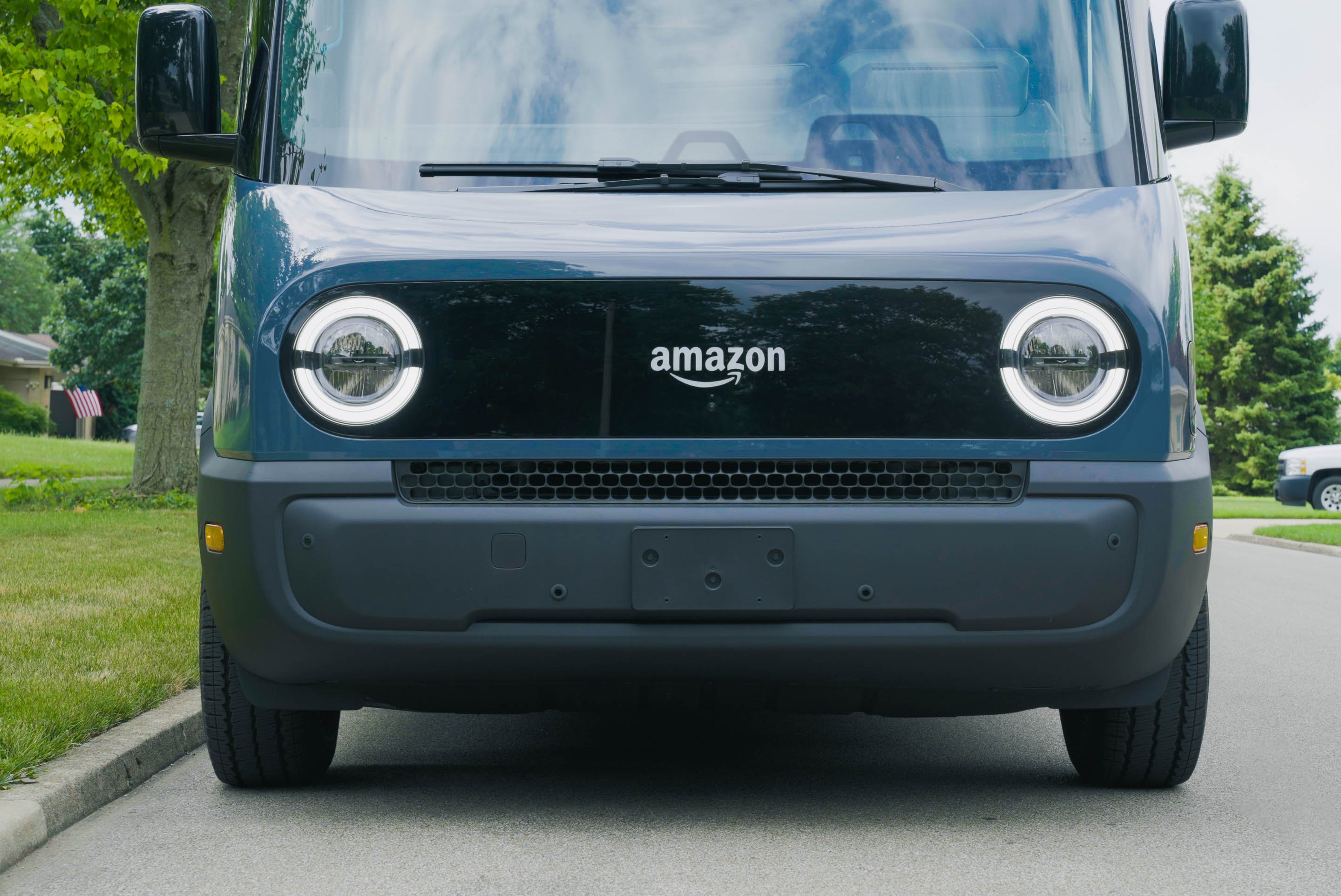
Image source: Rivian.
It's not necessarily a bad thing that Rivian had an uptick in delivery vans, and supporting Amazon's efforts to electrify its delivery fleet is a big priority of the young EV maker. That said, it also suggests that Rivian's other vehicles, the R1T, R1S, and early R2 units, aren't as strong as investors would like.
In fact, Amazon's orders accounted for $468 million of Rivian's total $908 million automotive revenue, or 52%, which short-seller James Chanos quickly pointed out on social media: "So they are only selling 5-6,000 vehicles per quarter in the open market? Yikes."

NASDAQ: RIVN
Key Data Points
In a transition phase
Rivian finds itself stuck in neutral as it transitions from fading R1 vehicle production and deliveries to the R2, which is currently in the very early stages and being sold to employees before production ramps in the near term. However, investors hoping this would be a quick transition to the latest model -- and to rapidly increasing deliveries -- might have to be more patient.
What could slow Rivian's results down is that the R2 is well known to be targeting a $45,000 entry-level price. While that's still absolutely in the plans, that model is now delayed until 2027, and the initial launch trim will start closer to $60,000.
Rivian's first quarter was solid, and investors probably shouldn't sound the alarms yet, although watching how quickly production acceleration of the higher-priced R2 trims can offset fading R1 vehicle deliveries will be important for the back half of 2026.