Nuclear energy is experiencing a resurgence of interest, and there's one catalyst to thank: artificial intelligence.
From 2005 to 2023, electricity generation in the U.S. was essentially flat. In 2024, however, electricity generation rose to hit a new all-time high. In 2025, another new all-time high was reached. Why? Because artificial intelligence is energy-intensive, and that industry is growing so quickly that it's pushing growth rates sharply positive for the first time in decades.
The current electricity grid isn't designed to meet the needs of the rapidly growing AI industry, which in turn relies on data centers to function. This infrastructure requires a huge amount of electricity, not only to keep the lights on, but to cool red-hot graphics processing units (GPUs) executing computations for AI software.
In short, more electricity generation will be needed to support AI's continuous growth -- a growth journey that is expected to be sustained for decades to come.
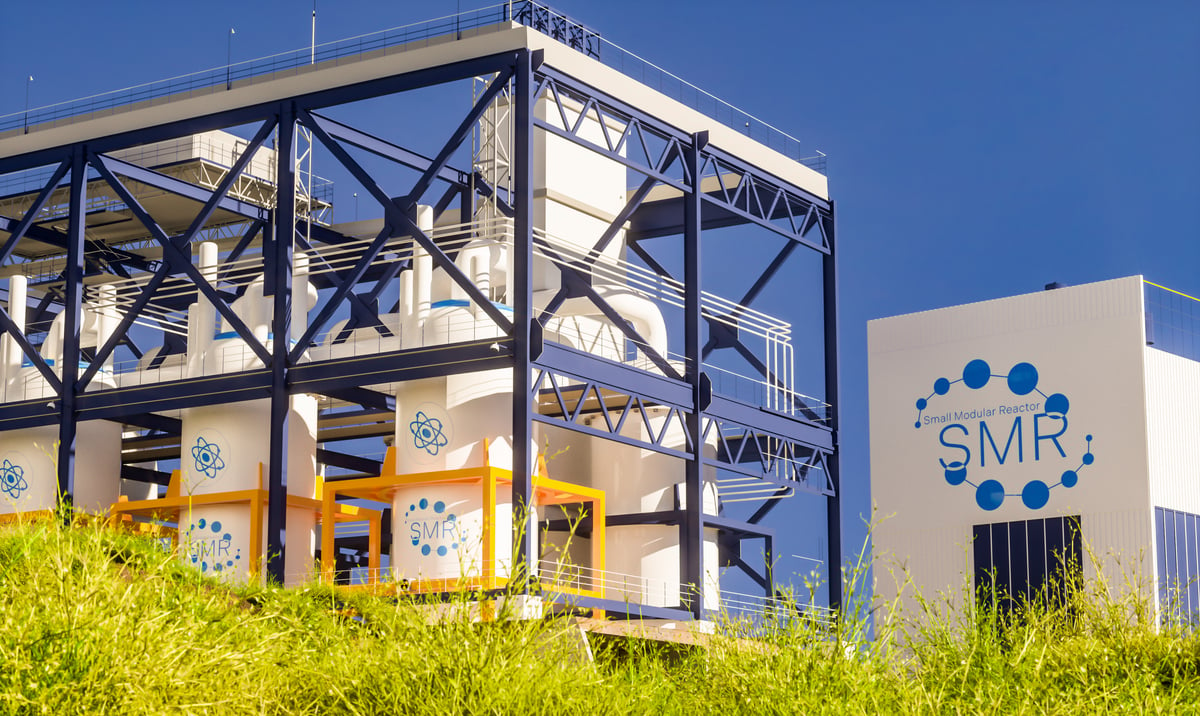
Nuclear energy has emerged as a promising solution -- but not just any kind of nuclear energy. The two companies below are pioneering a relatively novel way to produce energy from nuclear fission. This innovative method could be a perfect solution to the rising energy demands of AI and data centers.
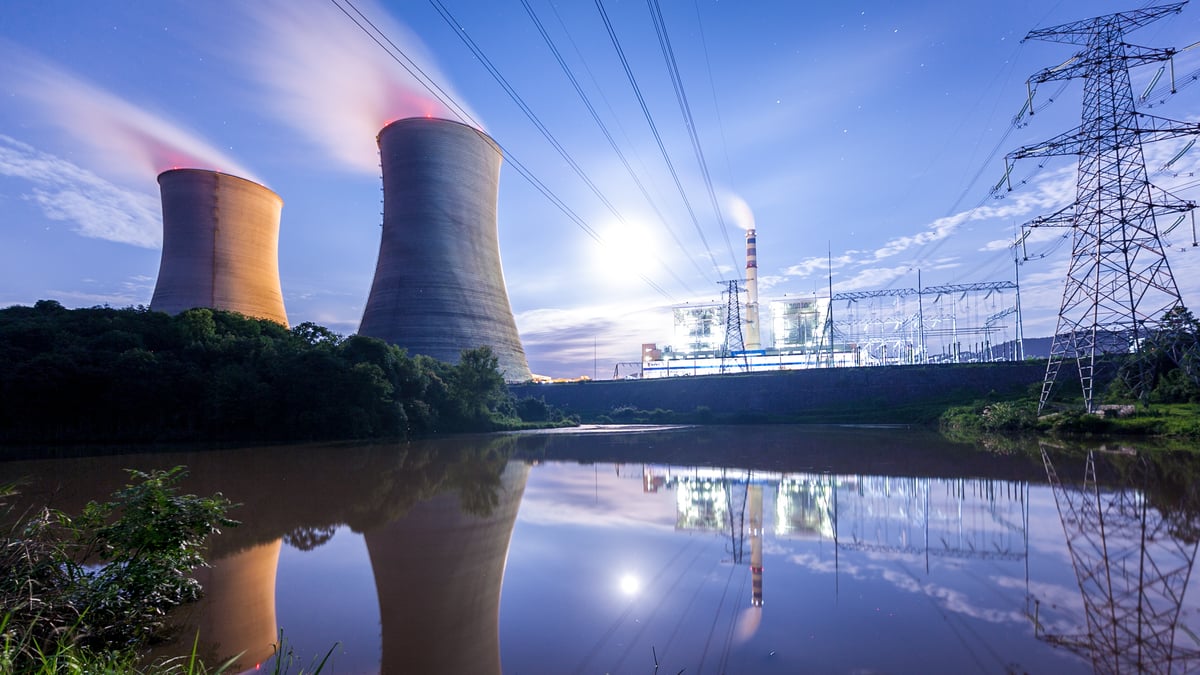
Image source: Getty Images.
1. This nuclear stock is tailor-made for AI
Few nuclear stocks are as tailor-made to meet the needs of the AI industry as Oklo (OKLO +5.52%). In fact, Sam Altman -- the founder of OpenAI and ChatGPT -- was an early investor in Oklo, acting as Chair of the Board for many years.
From my perspective, Oklo is the ideal choice if you think data center and cloud infrastructure operators will take the energy dilemma into their own hands. That's because Oklo focuses on small modular reactors, or SMRs. Even by SMR standards, Oklo's systems are relatively small, so small that Oklo's management team calls them "microreactors."
That makes them an attractive choice for data center operators to adopt on a more local scale, especially since Oklo believes the entire licensing and deployment timeline will be just six to 12 months once the process is fully scaled.

NYSE: OKLO
Key Data Points
Oklo is more diversified than many SMR competitors, given its recent acquisition of Atomic Alchemy, which gave it fuel recycling capabilities and exposure to medical-grade isotope sales. But its main business will be supplying data centers with nuclear "microreactors," as evidenced by its recent deal with Meta Platforms for a 1.2-gigawatt system in southern Ohio.
2. NuScale Power beats Oklo when it comes to utility-scale nuclear
NuScale Power (SMR +1.58%) also designs and sells SMR systems, but its go-to-market strategy is very different than Oklo's. Instead of forging deals directly with data center operators, NuScale is focused on feeding the grid through grid-scale deployments.
While NuScale has several projects globally already in motion, its most lucrative is arguably its deal with the Tennessee Valley Authority for a 6-gigawatt system to serve the eastern U.S. There could be a major catalyst on its way soon for this project, since a power purchasing agreement is expected to be closed by the end of this year.

NYSE: SMR
Key Data Points
NuScale's systems are generally larger than Oklo's, and its lead times are commensurately longer. But grid-scale SMRs may have a bright future, since utilities also want to bring low-carbon, reliable baseload power online as quickly as possible to avoid brownouts and onerous rate hikes.
If you're unsure of which SMR stock has a superior go-to-market strategy, buying shares of both Oklo and NuScale gives you more diversified exposure. It should be noted that, long term, other diversified industrial conglomerates are also pursuing SMRs, so the full competitive landscape is yet to fully take shape.