The investing world is going into overdrive in anticipation of the SpaceX initial public offering (IPO) in June. Elon Musk's ambitious space company is aiming to raise $75 billion in capital markets funding to embark on new business ventures, including its massive Starship rocket, orbital data centers for artificial intelligence (AI), and space exploration.
Rumors have already surfaced that SpaceX is planning to merge with another Musk-controlled megacap stock: Tesla (TSLA -1.43%). While it may seem far-fetched, there are hints that a potential merger may arrive in the next year. Here are three reasons why SpaceX may merge with Tesla.

NASDAQ: TSLA
Key Data Points
Musk murmurings
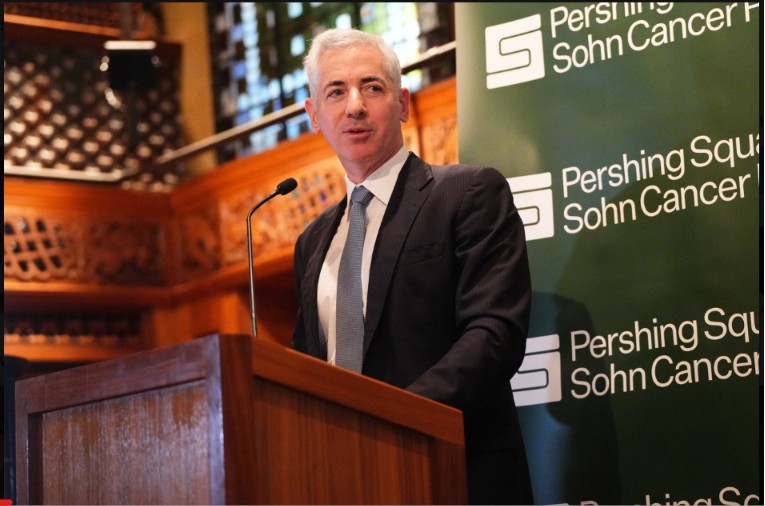
The first reason SpaceX and Tesla may merge comes from within the Elon Musk empire. A CNBC report states that Musk has discussed with his colleagues a possible merger of the two businesses. Seeing that he controls the most voting power in these two companies, if Musk wants to merge them, it will likely happen.
However, investors should note that this has not been discussed openly by Musk as of today, and that these are just rumors reported by CNBC. Betting markets seem to think it is likely, with Kalshi odds giving a 50/50 chance that SpaceX and Tesla will have announced a merger by this time next year.
Image source: Getty Images.
Increasing infrastructure overlaps
Other factors associated with the two businesses suggest a potential merger is underway. Both companies are diving into overlapping business interests, specifically around AI.
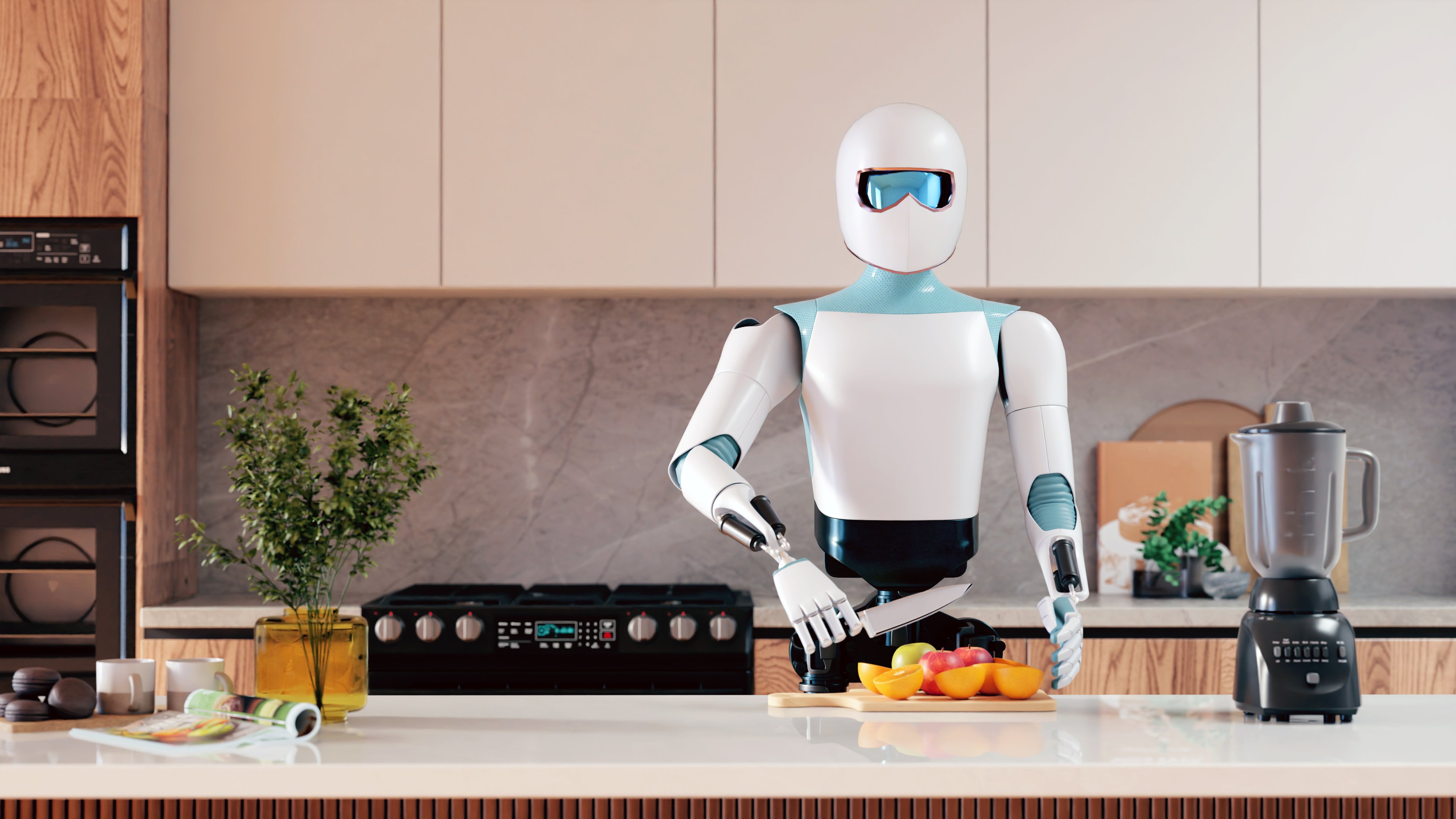
SpaceX aims to build an orbital computing network to power AI services on Earth, alongside its Starlink global internet capabilities. This could align perfectly with Tesla's grand ambitions for AI-powered vehicles and humanoid robots, which will need to connect to the cloud and have always-on internet access to operate. Starlink and orbital data centers could provide these capabilities.
In more direct terms, SpaceX and Tesla have recently announced the plan to build their own semiconductor factory in conjunction with Intel. These are early days, but if both companies are simultaneously contributing to the computer chips that will power autonomous vehicles, humanoid robots, and orbital data centers, then it might make sense for Musk to merge the two entities into one corporation, with AI at the center.
It is certainly a compelling narrative, but investors should remember that many of these proposed businesses are, at the moment, just proposals. Many engineering innovations need to be developed before this grand vision is laid out. Upfront capital costs will be massive.
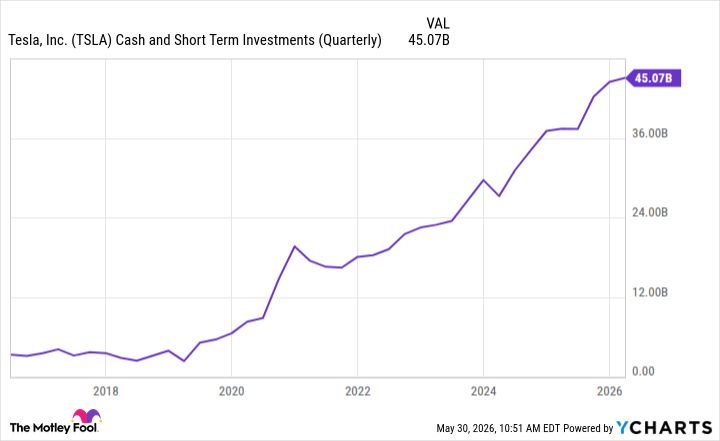
TSLA Cash and Short Term Investments (Quarterly) data by YCharts
Tesla's shining asset for SpaceX
Funding costs bring me to the last reason SpaceX and Tesla may want to merge: Tesla's balance sheet. Tesla has $45 billion in cash on its balance sheet and has generally been free cash flow positive from its automotive operations, though the last few years have been much weaker than those coming out of the COVID-19 pandemic.
These funds may give Tesla the runway to pursue its own AI plans. SpaceX is planning to raise $75 billion from its IPO, but that shockingly may not be enough to pursue its even grander ambitions. The company is burning $9 billion a quarter as it tests Starship and plows money into AI data centers for its xAI subsidiary. This gives it only two years of runway left before needing to turn a profit, while the company seems to manage its plans in decades.
A quick plug to solve any funding needs -- at least for a while -- would be to bring Tesla into the fold in a merger of equals. Tesla is cash-flow positive and has the previously mentioned $45 billion in cash that SpaceX desperately needs. With a market cap of $1.37 trillion, it is easy to see how a 50/50 merger could occur, provided other shareholders are satisfied.
What's more, it would simplify things for investors looking to bet on Elon Musk's vision, rather than having to choose between two different stocks. This makes a merger between Tesla and SpaceX within the next year more likely than not.