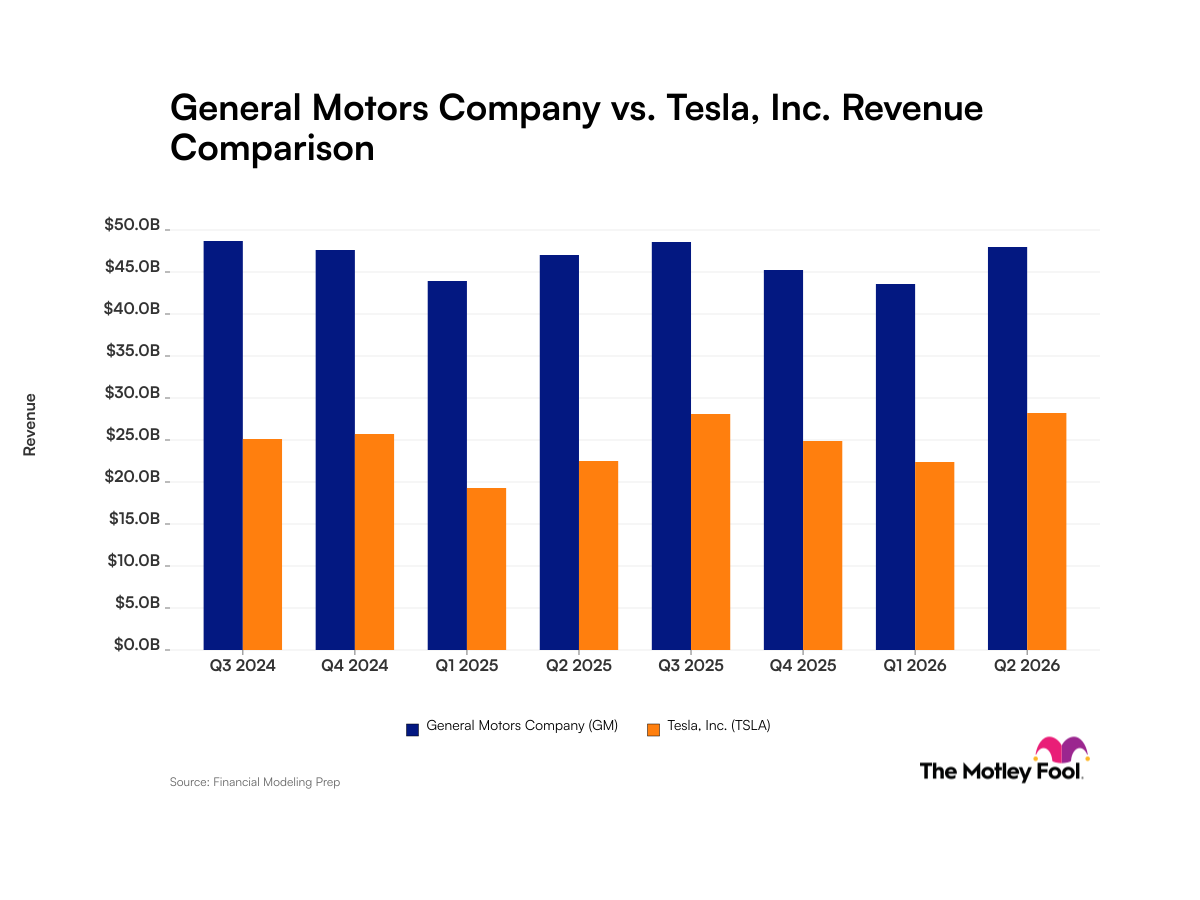
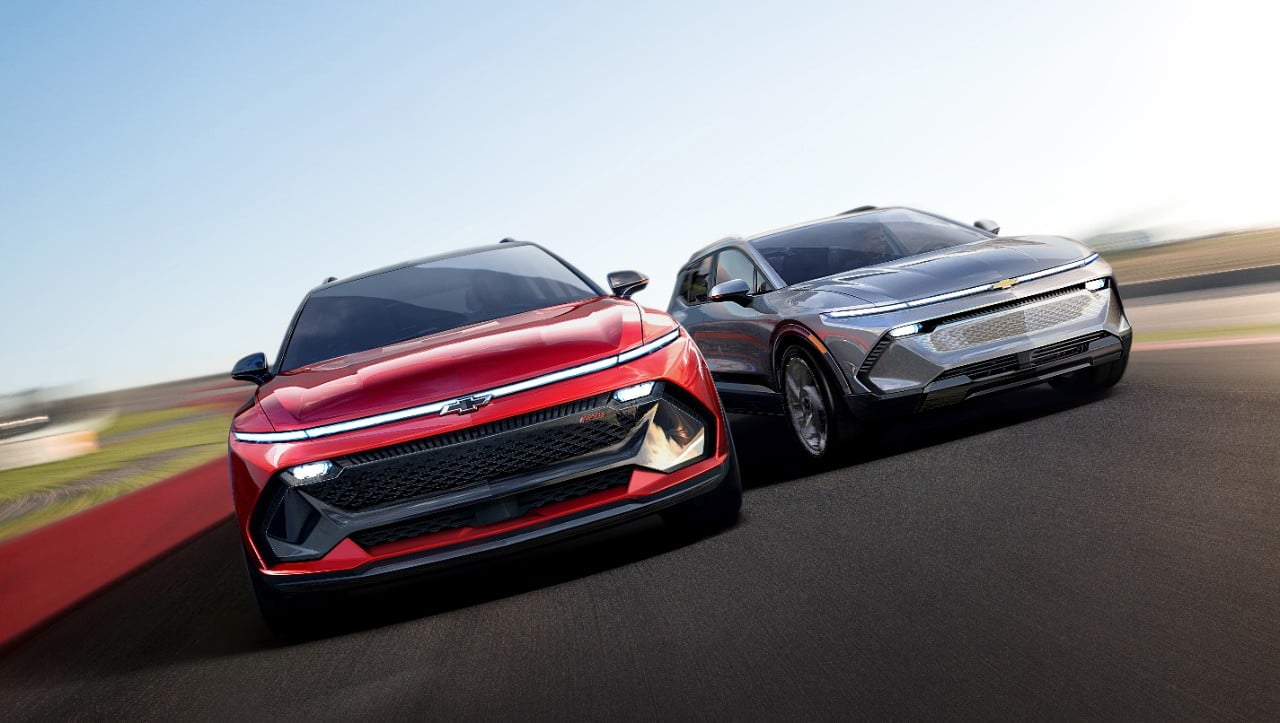
Detroit automakers Ford Motor Company (F +0.97%) and General Motors (GM +0.36%) are taking a page out of electric vehicle (EV) giant Tesla's (TSLA -2.13%) playbook. Last month, Ford announced that Ford Energy, a wholly owned subsidiary, will provide the U.S. market with battery energy storage systems (BESS) for utilities, large industrial and commercial customers, and artificial intelligence (AI) data centers. Let's take a look at GM's equivalent announcement, why it could have an advantage over Ford, and, using Tesla as an example, understand the new revenue stream's potential.
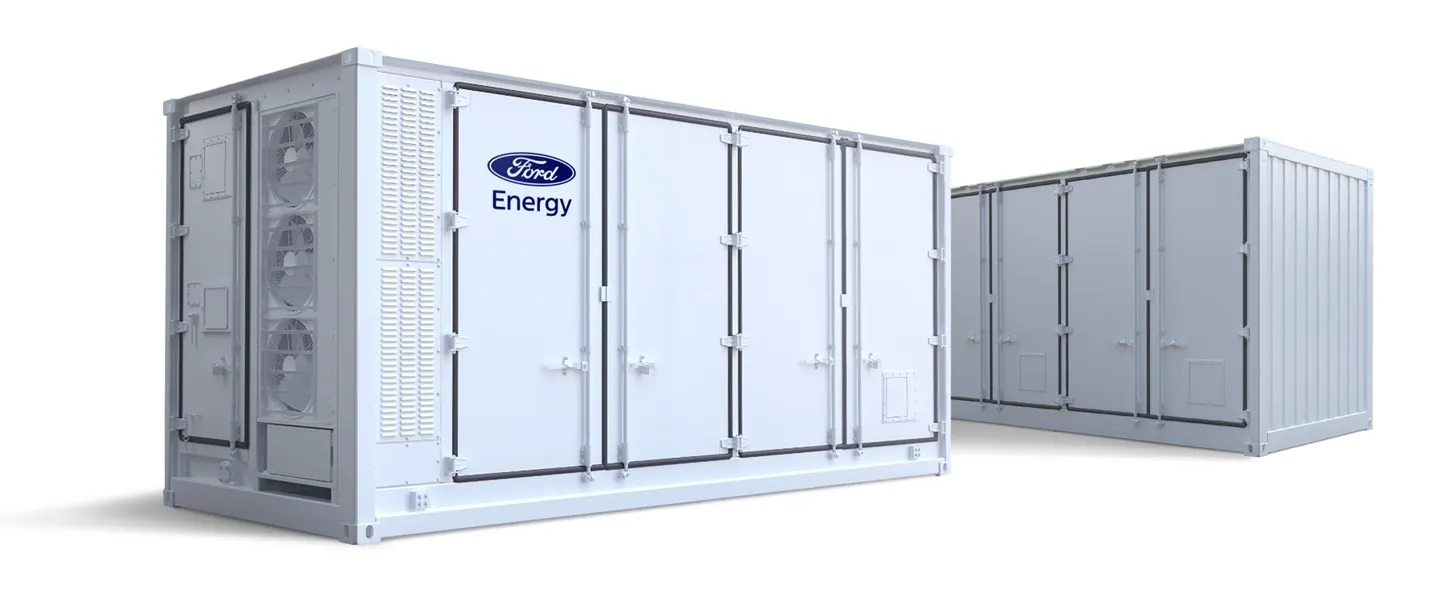
A look at rival Ford Energy. Image source: Ford Motor Company.
The same, but different
GM's recent partnership with Peak Energy to develop next-generation sodium-ion battery cells will be used for grid-scale energy storage strategies. The agreement calls for GM to develop the sodium-ion cells in its Michigan battery labs, and the automaker will retain exclusive manufacturing rights. GM has invested in Peak Energy, and the latter will use the battery cells in its storage systems as it accelerates U.S. production.
It sounds very similar to Tesla and Ford Energy, but the energy storage market is largely using lithium-iron phosphate (LFP) batteries. Peak Energy and GM, however, believe that the sodium-ion battery composition could deliver a lower-cost alternative for grid applications and storage, where energy density is less important than in EVs, giving it an advantage in cost, reliability, and safety.
One example that emphasizes the difference is that LFP battery systems require active cooling equipment to maintain safe operating temperatures, which increases costs. Peak Energy's system, however, eliminates the need for a cooling system entirely. That means its sodium-ion system can reduce energy storage costs by around 20% while still delivering 99% uptime.
F Ford Motor Company
NYSE · As of 4:00 PM ET 10/16/26

Show me the money
That's one reason GM and Peak Energy believe sodium-ion battery use for storage systems will increase in the coming years. For investors, the idea of an incremental revenue stream is enticing, and Tesla has shown that it can be a lucrative business.
In fact, Tesla Energy has quickly grown into a strong business division for Tesla, achieving record storage deployments of 46.7 GWh last year and generating $12.7 billion in revenue with margins around 30% -- far higher than standard vehicles.
While GM and Peak Energy have yet to announce a fixed combined GWh generation target, Ford probably gets us into a similar ballpark, aiming to deploy at least 20 GWh annually, with deliveries beginning in late 2027.
GM General Motors
NYSE · As of 4:00 PM ET 10/16/26
What it all means
Automakers as investments are changing before investors' eyes, and the energy storage systems business is one of the industry's new opportunities as the world slowly switches to electrified vehicles. This is a meaningful development that can and will improve the automakers' bottom lines, and as more projects, strategies, and potentially new revenue streams come into play, it could help automakers boost their valuations for investors.