Shares of Bloom Energy (BE -11.24%) jumped about 15% on Thursday to a record high near $330, up from about $285 the day before. One catalyst was a mid-year update to the company's data center power report, which laid out how much electricity artificial intelligence (AI) will demand this decade and how little of it the grid is ready to deliver. Paired with a string of large supply agreements, that report has turned the fuel cell maker into one of the market's favorite ways to bet on AI's power problem.
So, is the stock's move a bullish sign for investors looking to finally get in on this growth story, or has the enthusiasm run ahead of the business?

Image source: Getty Images.
Why data centers are choosing onsite power
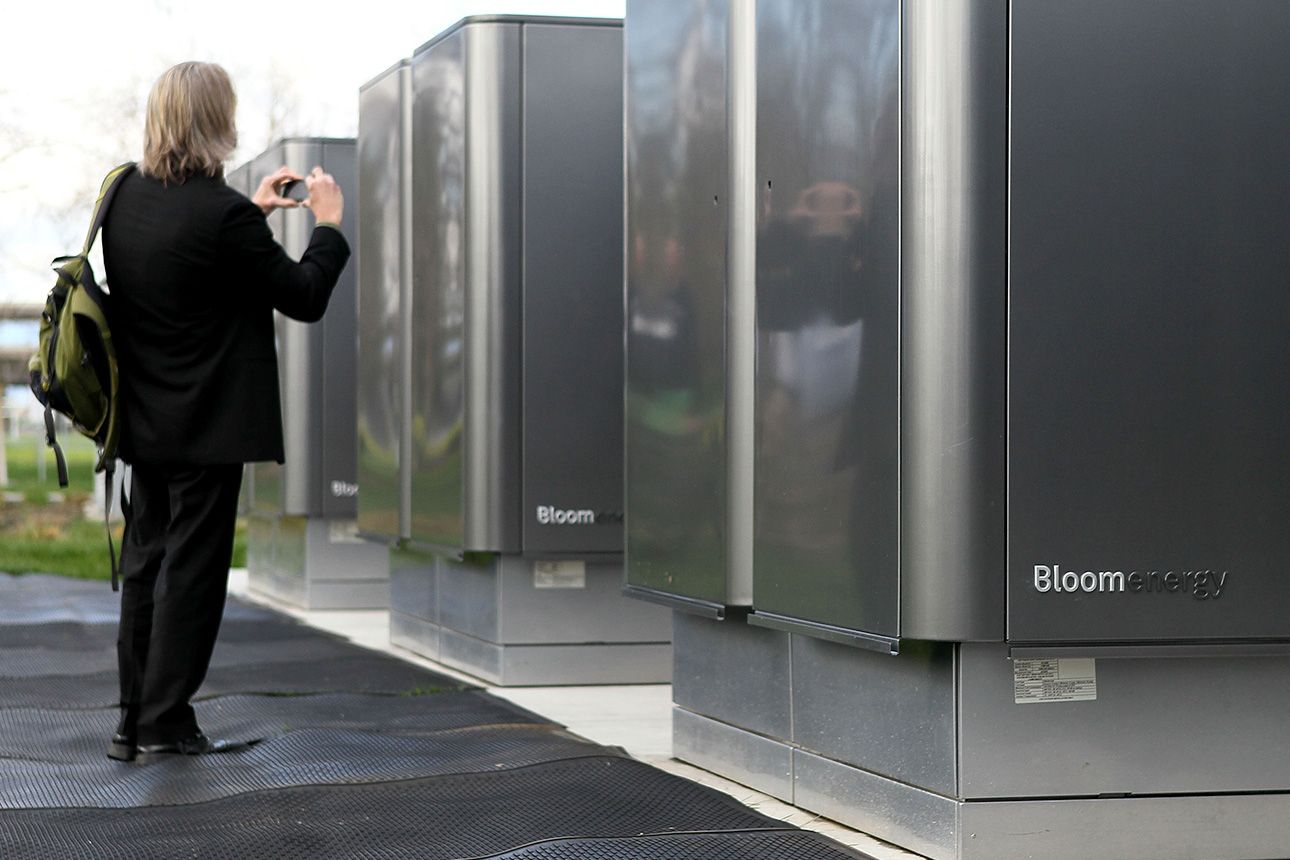
Bloom's fuel cells run on natural gas but make electricity through a chemical reaction rather than combustion, so they can be installed right at a customer's site instead of waiting years for a utility hookup. This paints a compelling picture for data center builders. For them, every quarter of delay is lost revenue. So, if fuel cells mean a faster build-out, there's good reason to go this route.
The mid-year report put some numbers to that shift. It found that 61% of data center developers would generate their own power if the grid couldn't meet their needs. It also flagged a growing obstacle: community pushback, with at least 18 state bills and 86 local moratoriums proposed across the country as of May.
But the contracts are already arriving. Oracle named Bloom the sole power provider for Project Jupiter, an AI campus in Doña Ana County, New Mexico, that will draw up to 2.45 gigawatts from fuel cells in place of the gas turbines and diesel generators Oracle had planned. And Nebius Group signed a master agreement worth up to $2.6 billion across three 10-year phases, with a first phase of 328 megawatts due online this year.
Bloom's results have started to reflect its inflection in demand. First-quarter revenue rose about 130% year over year to $751 million, margins widened, and the company swung to a profit of $0.25 per share while posting its first positive first-quarter operating cash flow. Management also raised its full-year revenue guidance to a range that implies about 80% growth.
The real limit on growth, for now, sits with Bloom's customers.
"In other words, today, we are not order constrained and not capacity constrained," CEO KR Sridhar said on the company's first-quarter earnings call in late April. The pace of revenue growth, he explained, now depends on how quickly customers can build their sites, not on how fast Bloom can power them.
BE Bloom Energy
NYSE · As of 4:00 PM ET 10/23/26

The price of all that optimism
After Thursday's move, Bloom carries a market value of more than $90 billion -- about 46 times last year's $2.02 billion in revenue, and more than 25 times the midpoint of this year's guidance. In short, investors seem to already be pricing in huge success for the company.
Driving home how expensive the stock is, even when measured against the midpoint of management's non-GAAP (adjusted) earnings guidance of $1.85 to $2.25 this year, the stock trades at about 160 times adjusted earnings. Further, there are other risks beyond the stock's high valuation. Customer build-out timelines, for instance, can slip. And the local opposition the report flagged could further stretch those timelines.
So, would I buy here?
I'd pass. At about 160 times adjusted earnings, the stock already prices in years of nearly flawless execution, and a single delayed project or a tougher permitting environment could undo a lot of that. But I'll keep the stock on a watch list, hoping for a better price at some point.