To say that small-cap stocks haven't been a great investment for the past several years would be an understatement. The S&P 500 has been carried to all-time highs by the Magnificent Seven, while the Russell 2000 small-cap index has dramatically underperformed. In fact, over the 10-year period through the end of 2025, the S&P 500 produced a 323% total return -- that's about 120 percentage points more than the Russell 2000.
Now that we're halfway through 2026, it seems like the tide might be turning. The Russell 2000 has surged by more than 20% this year, its best first-half performance since 1991. And it isn't lagging the S&P. In fact, the last time small-cap stocks were outperforming the S&P 500 by this much halfway through a year was way back in 2003.

Image source: Getty Images.
Why are small-cap stocks outperforming in 2026?
There are several reasons why small-cap stocks are finally outperforming, but the two most significant are the closing of a valuation gap and AI tailwinds finally reaching smaller companies. Let's take these one at a time.
At the beginning of 2025, small-cap stocks were trading at their lowest valuation relative to large caps since the late 1990s. And throughout 2025, the gap widened further. In fact, at the start of 2026, the average stock in the Russell 2000 traded for about 18 times forward earnings. For the S&P 500, the forward P/E multiple was more than 26.
To be sure, there are some good reasons why the S&P 500 commanded a premium. The index is heavily weighted toward mega-cap tech stocks -- in fact, the 10 largest companies make up about 40% of the index. And these companies experienced rapid earnings growth in recent years.

NASDAQ: VTWO
Key Data Points
However, the AI trade has now started to trickle down to small caps. Smaller suppliers, chipmakers, and other "picks and shovels" AI plays have been big winners. As a result, estimates for Russell 2000 components' earnings growth for 2026 have risen from 23% to 38% since the beginning of the year, with AI infrastructure plays the main driver.
How to add small-cap exposure to your portfolio
It could be a mistake to think that, because small-caps have outperformed so far in 2026, it won't last much longer. The last time the valuation gap was as high as it was at the beginning of this year (1999), small-cap stocks went on to outperform for more than a decade. There's no guarantee this will happen again, but small-cap stocks are still relatively undervalued.
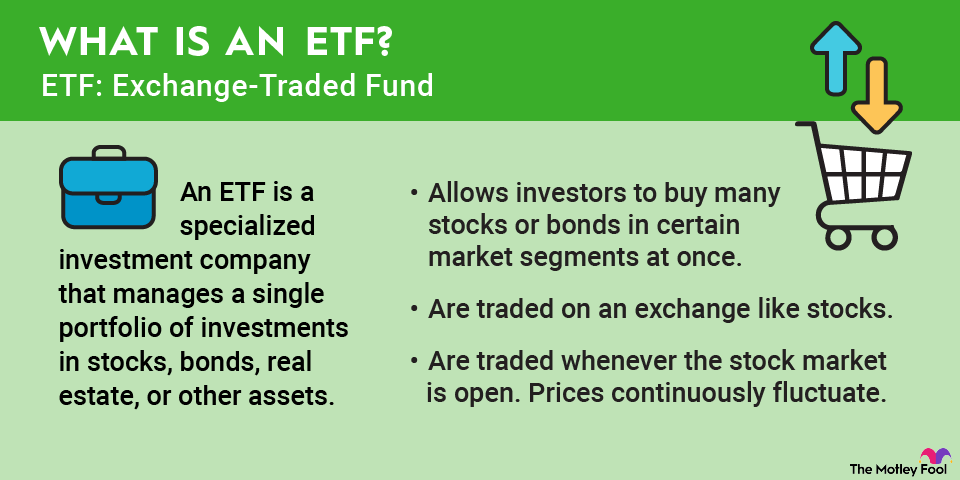
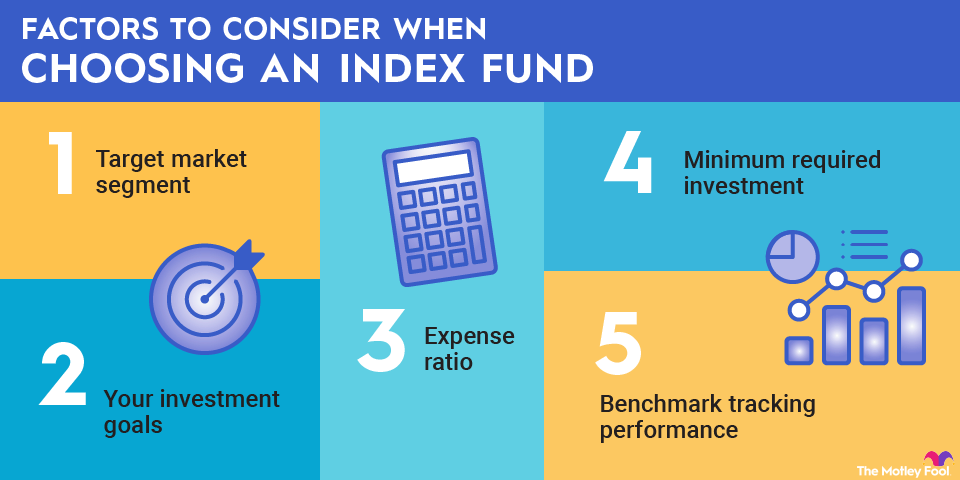
If you want exposure in your portfolio, there's no need to pick individual small-cap stocks if you aren't comfortable doing so. A broad small-cap ETF like the Vanguard Russell 2000 ETF (VTWO +0.50%) is a low-cost way to go, or the Vanguard Small-Cap Value ETF (VBR +0.22%) could be worth a look, as it focuses on the cheapest small-cap stocks. I own both of these ETFs in my stock portfolio, and believe they'll be excellent investments for years to come.