Rocket Lab (RKLB +2.69%), a developer of reusable orbital rockets, recently agreed to acquire Iridium (IRDM +1.39%), a provider of satellite communications services, for approximately $8 billion. It expects to close the cash-and-stock deal by mid-2027.

Image source: Getty Images.
Could this deal shake up the space economy?
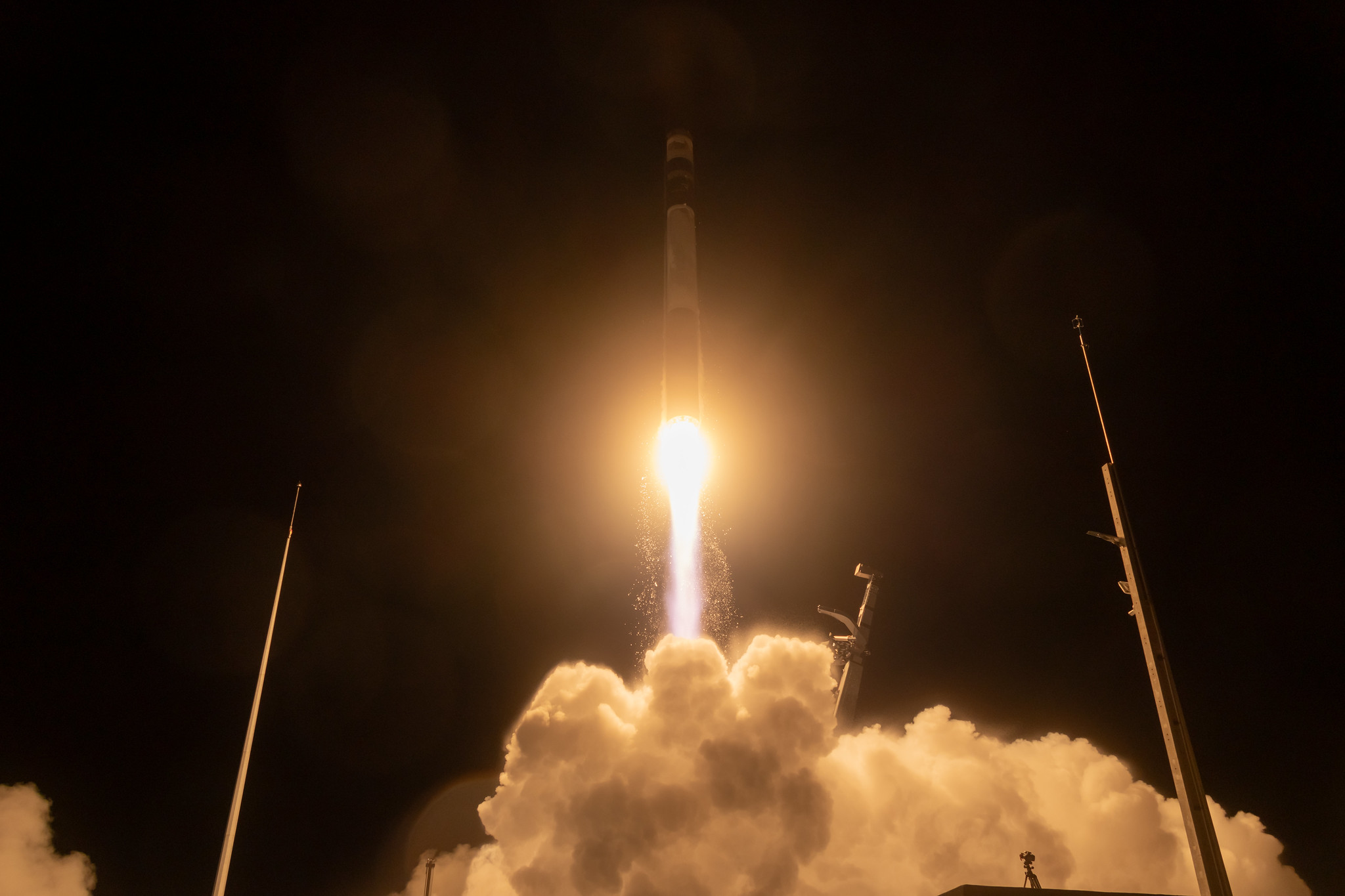
Rocket Lab generates most of its revenue from launch services for its Electron rockets (and upcoming Neutron rockets) and from the sale of satellite subsystems. These businesses are growing, but they're capital-intensive and operate at low margins. SpaceX's (SPCX +1.89%) upcoming Starship rocket could exacerbate that pressure by drastically reducing launch costs.
RKLB Rocket Lab
NASDAQ · As of 4:00 PM ET 10/23/26

By acquiring Iridium, Rocket Lab gains a higher-margin, cash-generating business with recurring revenue from more than 2.5 million subscribers. It also gains dozens of satellites, its own weather-resilient L-band spectrum, and Iridium's consumer-facing data network. That expansion could pave the way toward stable profits in the future.
Rocket Lab's improved scale and diversification will make it a more formidable competitor for SpaceX -- which launches its own rockets through its space division, supports internet satellite services through Starlink, and is trying to tie it all together with its nascent AI business. Rocket Lab is still a lot smaller than SpaceX. Still, it will become the only other company to control the entire stack -- the factory, the rocket, the spectrum, and orbital operations -- for the space economy.