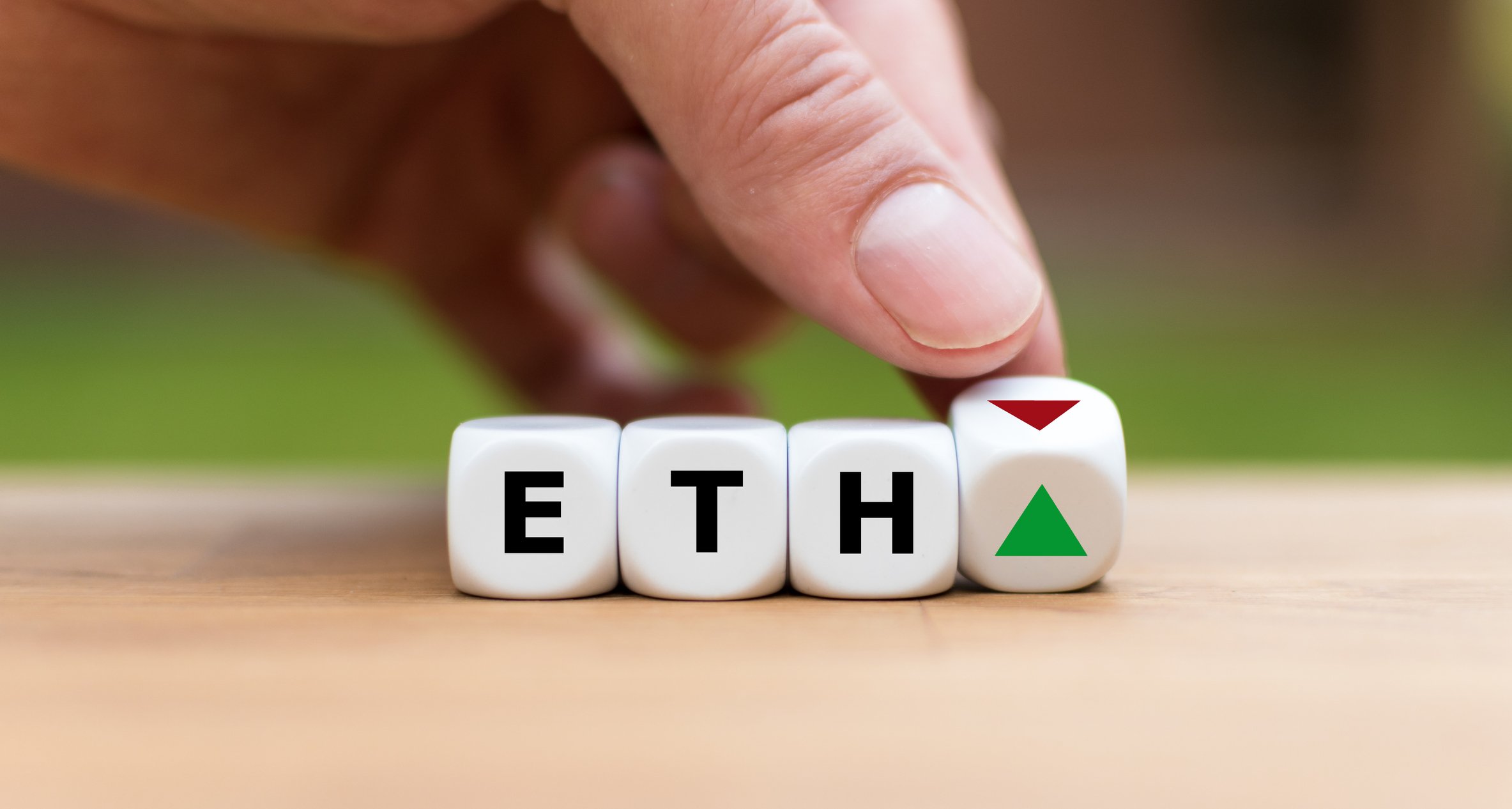
Ethereum (ETH +3.67%) is under pressure from all sides, and not just because crypto prices are falling and sentiment for the whole asset class is faltering. Institutional investors and high-profile supporters are selling their Ethereum holdings, and the Ethereum Foundation is making dramatic changes. At the time of writing (July 1), Ethereum was trading around $1,570 -- close to its lowest point in almost three years.

CRYPTO: ETH
Key Data Points
The Ethereum Foundation is a non-profit that supports the Ethereum ecosystem, led by co-founder and crypto celebrity Vitalik Buterin. It announced last week that it would cut its budget by 40% and reduce staff numbers by 20% as part of a broader strategic reset. For Ethereum holders, or investors considering buying the dip, the question is whether the organization's shift reflects a failing ecosystem or a strategic move to support long-term growth. I lean toward the latter, though there are some areas to watch.

Image source: Getty Images.
What is changing at the Ethereum Foundation
The Ethereum Foundation is becoming a leaner organization that's focused on keeping the blockchain secure, scalable, usable, and self-governing. For example, it will use artificial intelligence (AI) more and organize fewer enormous conferences. In the past, the foundation has driven major upgrades and played a significant role in shaping the network's direction. Its role will shrink, in keeping with the ideal of operating without relying on a centralized entity.
To put these changes in context, most major cryptocurrencies are supported by at least one organization that drives things like upgrades, security, and partnerships, but they are not the same as listed companies with shareholders. The foundation does not run the ecosystem, and Buterin is not like a CEO who captains the Ethereum ship.
Instead, Ethereum is a community of developers, builders, users, investors, and other stakeholders who jointly make decisions through an interactive process of proposing, discussing, testing, and ultimately implementing ideas. So while the foundation is losing talent, the idea is that it is one cog in a much larger machine, and the wider ecosystem will fill the gaps.
Why the move could be bullish for investors
Restructuring the Ethereum Foundation shows long-term vision and a commitment to the project's ideals. These changes are a bit like a parent sending a kid to college -- still supporting them, but also trusting them to make decisions. Not only is it a natural progression, but the cuts will also allow the foundation to survive for decades to come. I'd certainly prefer it to make cuts now rather than run out of money further down the line.
Another reason I am optimistic is that parts of the wider Ethereum community are stepping up. For example, the foundation explicitly said that it wouldn't be responsible for marketing the blockchain. That could be worrying, given that partnerships will be crucial for continued mainstream adoption and growth. However, several prominent Ethereum figures already announced the launch of Ethlabs, a non-profit dedicated to growing institutional adoption.
Don't get me wrong, this is a significant shift for Ethereum, and it does carry risks. It will be difficult for the organization to absorb those dramatic cuts, and knowledge will certainly be lost. As such, the rollout of its Glamsterdam upgrade will be a crucial test of the new lean organization's ability to deliver. If there are further delays or technical issues, it may be a sign that these changes were too much, too fast, presenting a significant headwind.
Ultimately, Ethereum has already delivered pioneering technology and upgrades that were initially thought impossible. I trust the community and Buterin to make this new chapter work.