Since its debut as a publicly traded company roughly one month ago, Space Exploration Technologies (SPCX +0.48%) has been one of Wall Street's more volatile stocks. From its initial public offering (IPO) price of $135 to its high of $225 in mid-June to its July 9 closing price of roughly $152, SpaceX (as the company is also known) has already experienced some serious highs and lows.
Concerns over this volatility have now spilled over into the fund space, where some of the world's biggest exchange-traded funds (ETFs) have begun adding shares to their portfolios. Funds that track one of the CRSP market indexes, such as the Vanguard Total Stock Market ETF (VTI +0.51%), could begin adding shares in as little as five trading days post-IPO. On July 7, SpaceX joined the Nasdaq-100 under its newly implemented fast-track rules for mega-IPOs.
SpaceX has around a $2 trillion market cap, making it one of the 10 largest companies in the world. It's natural to assume that the stock would also be a major part of these ETFs, and its volatility would come with it.
But it really isn't. In fact, SpaceX might not influence these ETFs nearly as much as you think.
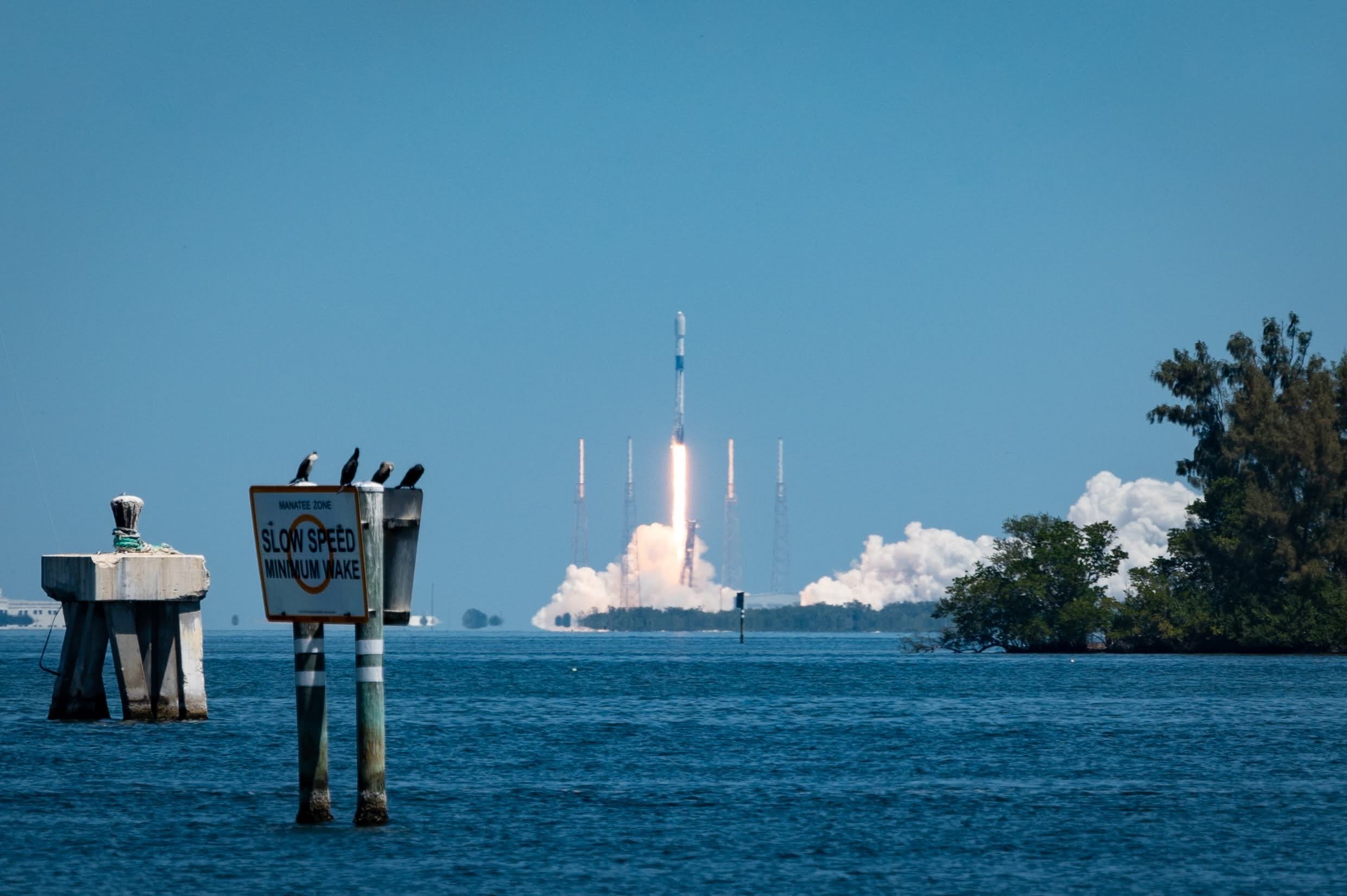
Source: Getty Images.
SpaceX doesn't crack the top 20 of the Invesco QQQ ETF or the top 100 of the Vanguard Total Stock Market ETF
The reason that SpaceX isn't a bigger part of these indexes is that they're weighted by free-float market cap (or the amount of publicly traded shares), not total market cap. As a percentage, SpaceX's ratio of free float to total market cap is lower than that of many stocks, giving it comparatively less influence in indexes weighted by this metric.
That dynamic shows up very clearly in the Invesco QQQ ETF (QQQ +0.46%), which tracks the Nasdaq-100, and the Vanguard Total Stock Market ETF, which tracks a CRSP index.
As of July 9, SpaceX was the 21st-largest holding in the Invesco QQQ ETF, with a weight of around 1.2%. In the Vanguard Total Stock Market ETF, it landed in 176th place with a weight of just 0.2%.
In other words, if you're worried about elevated influence and volatility from the stock's inclusion in these indexes, you probably shouldn't be. The stock's weighting in these indexes is low enough that even a price crash will barely register as a ripple for the fund as a whole.
If you're a shareholder of either of these funds, there's no need to make any portfolio adjustments due to SpaceX's addition to them. These funds will continue to be influenced more by broad market forces than by any one company.