Silicon Motion Technology (SIMO +1.01%) left little doubt about memory chip demand when it reported second-quarter results. It was reasonable for bullish investors to expect outperformance after Micron more than quadrupled its year-over-year revenue, but the results still caught some people off guard.
It wasn't just a win for Silicon Motion. Q2 results imply that growth will continue throughout the year and stretch beyond 2026. Here's what investors should know.

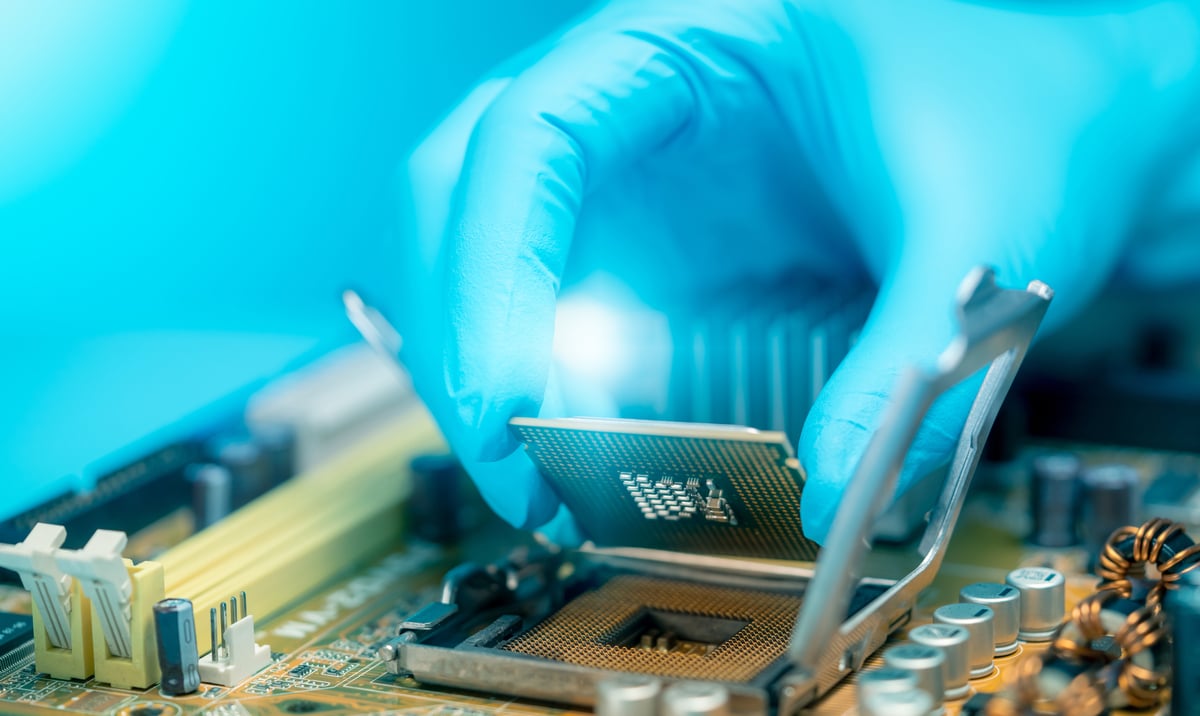
Image source: Getty Images.
Analyzing the results
Silicon Motion specializes in key memory products, including NAND flash controllers, eMMC and UFS controllers, and solid-state drives. Back when the company reported Q1 results, it told investors to expect up to $411 million in Q2 sales.
Now that Q2 results are in, Silicon Motion reported $451 million in sales, a 127% year-over-year increase. Crushing guidance came along with a 32% sequential growth rate.
It's not surprising to see that Silicon Motion did well in this quarter since multiple chipmakers and tech giants have also delivered solid results. It's also not surprising that the company anticipates up to 20% sequential growth in Q3. After all, Micron offered a similar forecast.
Memory demand is set to grow beyond 2026
The results and guidance were solid but expected. However, Silicon Motion CEO Wallace Kou shared an unexpected key detail in the Q2 press release.
He said that Silicon Motion is "building a resilient platform for sustainable, high-quality revenue and profitability growth for years to come."
That "years to come" bit is the most important part. It implies that growth won't fizzle out after 2026 but that Silicon Motion will build on this momentum in 2027 and beyond. It's a major blow to the bearish thesis that the cyclical nature of the memory industry will catch up with chipmakers.
Silicon Motion isn't the only memory chipmaker with sights set beyond 2026. Micron told investors in its fiscal 2026 Q3 results that it executed "transformational strategic customer agreements" that provide multiple years of revenue visibility.
Sandisk CEO David Goeckeler also mentioned a new business model "built on multi-year customer engagements backed by firm financial commitments" when it announced fiscal 2026 Q3 results at the end of April. Investors can expect an update when the company reports fiscal 2026 Q4 results in August. Given Micron's successful use of this business model and Silicon Motion's multiyear narrative, it's feasible for Sandisk to confirm multiyear deals in August.

NASDAQ: SIMO
Key Data Points
Physical AI hasn't entered the scene yet
Artificial intelligence (AI) models like ChatGPT and Claude have dominated the headlines, while physical AI remains in its early stages. Autonomous vehicles and humanoid robots are bound to become big hits once the technology is mastered, and all of this physical AI will require memory chips.
Grand View Research projects a 38.2% compound annual growth rate (CAGR) for the humanoid robot market through 2033. That's just for one physical AI product. Self-driving vehicles are another major catalyst that can boost the demand for memory products for multiple years.
Elon Musk is vying for market share in both of these opportunities. Tesla (TSLA -0.67%) is working on its Optimus bots and robotaxi fleet. That's why it was very notable when he praised Micron twice during Tesla's earnings call.
Meanwhile, tech giants have either raised their capital expenditure targets or boosted the lower end of their guidance. Capital will continue to flow into AI infrastructure in the pursuit of compelling opportunities. Silicon Motion and other memory chipmakers are positioned to benefit from this trend for multiple years.
AI models and agentic AI can still boost demand for memory chips, but once physical AI enters the scene, chip prices can surge even higher.