On the surface, the two companies seem almost interchangeable in any investor's portfolio. PepsiCo (PEP +0.82%) also owns Frito-Lay snack chips, but like rival Coca-Cola (KO -0.29%), its biggest business is ready-to-drink bottled beverages.
Yet, these two stocks are miles apart in multiple ways. One of the biggest reasons is their recent performance. Over the past two years, Coca-Cola shares have rallied nearly 31%, while PepsiCo's have fallen more than 19%. This in turn has created another notable difference between the two tickers. Whereas KO is priced at a premium trailing price-to-earnings ratio of just over 26, PEP is markedly cheaper at a P/E of a little more than 18. Their forward-looking dividend yields are similarly disparate, at 2.4% and 4.2%, respectively. Again, it's strange simply because these two companies don't seem different enough to justify such a wide valuation spread.
But I think I've got it figured out. And it's not complicated.
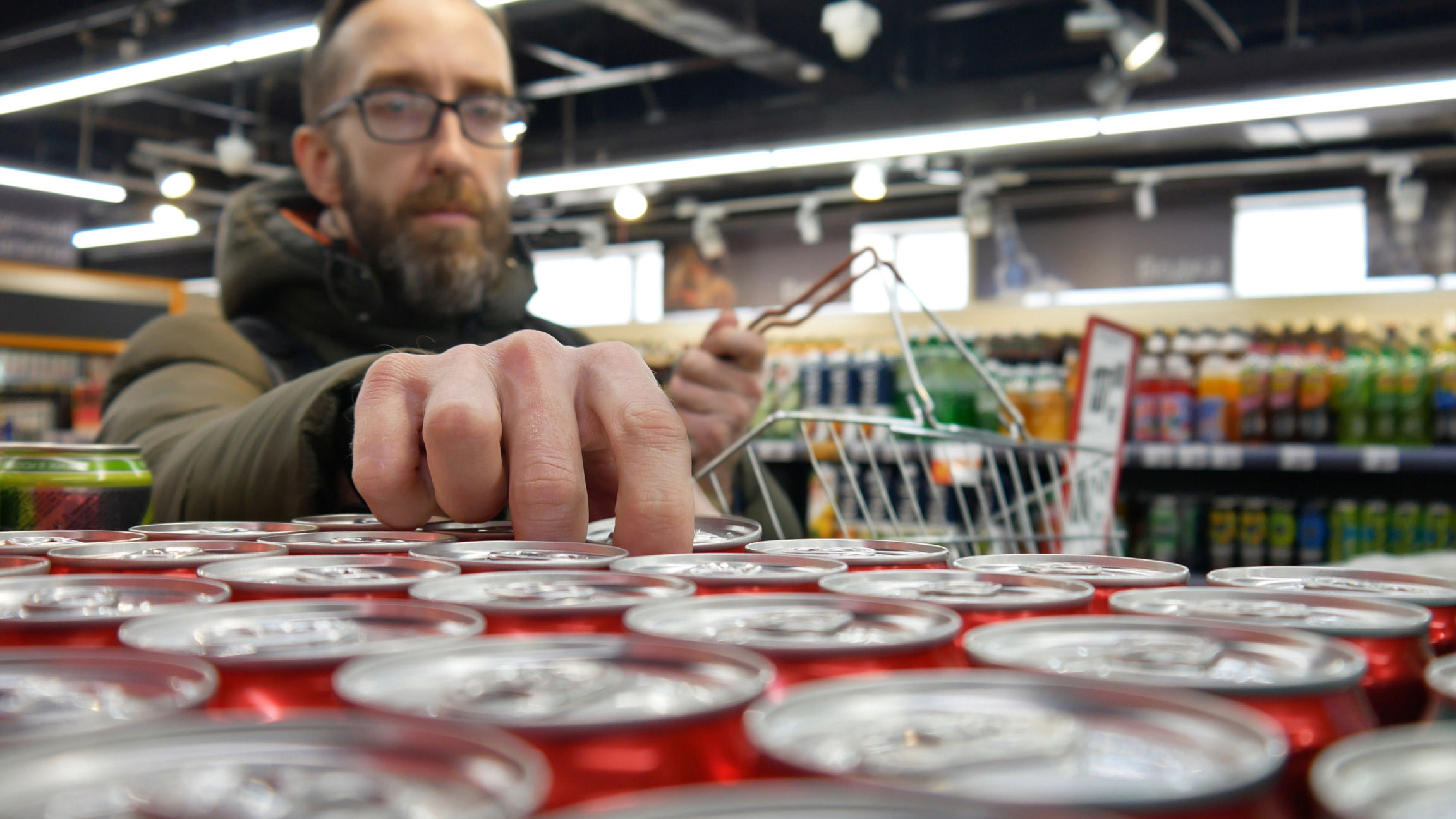
Image source: Getty Images.
The same, but different
There are two opposing schools of thought currently vexing investors considering taking on a stake in PepsiCo. On the one hand, you want to buy quality stocks at a bargain price whenever possible. On the other hand, cheap stocks are cheap for a reason. It's not clear which of these two applies here; maybe it's a little of both.
PEP PepsiCo
NASDAQ · As of 9:37 AM ET 10/26/26

Whatever the case, there's no denying that Coca-Cola has been outperforming PepsiCo of late on several of the industry's most important metrics.
Revenue is, of course, one of these yardsticks. PepsiCo's organic revenue grew a mere 2.4% year over year during its recently ended second quarter, for perspective, while Coca-Cola's improved 6%. And in both cases, last quarter's progress extends trends in place as of the first quarter of the year, ultimately pointing to sales and marketability challenges.
Operating margins are also slipping for PepsiCo, while they aren't for Coke. The former's core operating margin fell 40 basis points (year over year) to 16.8% in Q2, while Coca-Cola's widened from 34.1% to 34.9%.
These two dramatically different sets of numbers don't point to a bigger problem for PepsiCo. The two companies' business models are actually quite different, after all. Whereas PepsiCo takes on the margin-crimping expense of handling most of its own bottling, Coca-Cola achieves higher net margins by punting most of its bottling work to third-party bottlers, or distributors like restaurants; Coke's is a higher-margin model.
Regardless, the market rewards relative improvement and punishes backpedaling. That appears to be what's happening here, even if it's driving a sizable valuation wedge between the beverage industry's two biggest stocks.
KO Coca-Cola
NYSE · As of 9:37 AM ET 10/26/26
Fortune favors the bold
The conundrum for investors is simply that they know nothing lasts forever. PepsiCo is addressing its competitive and cost challenges that have let its shares slide to a low, somewhat-insulting valuation. Simultaneously, during its recent second-quarter earnings conference call, Coca-Cola CEO Henrique Gnani Braun repeatedly echoed a warning that "many consumers face inflationary pressures, geopolitical uncertainty, and economic challenges," hinting that he and his management team sense headwinds are brewing.
Or as the old adage goes, past performance is no guarantee of future results.
In other words, if you see something that suggests the market is undervaluing PepsiCo -- like its dividend -- and/or is overvaluing Coca-Cola, don't be too afraid to trust your gut and make that move.