Microsoft (MSFT +1.52%) delighted investors with its fiscal 2026 fourth-quarter results. Revenue increased by 18% year over year, with cloud computing doing most of the lifting.
Shares soared by 16% on the news, parrying almost all of their year-to-date losses. Microsoft's artificial intelligence (AI) narrative suddenly looks much brighter, and three major takeaways from the company's earnings call point to promising opportunities in AI.
Image source: Getty Images.
1. Microsoft expects to achieve positive free cash flow in fiscal 2027
The biggest news for Microsoft investors is that the company expects to achieve positive free cash flow in fiscal 2027. The tech giant is still committed to high capital expenditures, but it's proof that Microsoft doesn't have to go deep into debt to fund its AI ambitions.

NASDAQ: MSFT
Key Data Points
Debt has become a major point of contention. Alphabet raised $84.75 billion via equity, which diluted investors. Amazon raised $25 billion through corporate bonds.
Investors who were concerned about the total costs involved with the AI build-out can breathe a sigh of relief. While the costs are still high, Microsoft can keep up with those costs. It's sustainable.
Other tech leaders may eventually follow suit. If they do, it's great news for the AI industry. If not, Microsoft has a distinct advantage over its fellow hyperscalers.
2. Microsoft is investing heavily in compute capacity
Microsoft cited compute capacity as one of its big expenses after notifying investors that it would increase operating expenses in the "mid to high-single digits" year over year.
The focus on compute capacity indicates Microsoft Cloud revenue is still accelerating. Microsoft Azure surpassed $100 billion in revenue for the first time in fiscal 2026 and appears poised to build on that momentum. Microsoft needs more compute for its own AI needs and to keep its cloud customers happy.
The need for additional compute suggests that more capital will flow into neocloud providers. Microsoft has already signed multi-year deals with Iren and Nebius, which can turn them into beneficiaries of Microsoft's compute capacity investments. Competitors Cipher Digital and Terawulf have signed long-term compute deals with Alphabet and Amazon. Hyperscalers seem to be focused on obtaining as much compute capacity as possible, which could cause meaningful price hikes in the future.
Each hyperscaler earnings call gives hints about where money is flowing. This call validated the neocloud model and indicates that Microsoft Cloud is gaining market share thanks to AI investments.
3. CPUs are just as important as GPUs
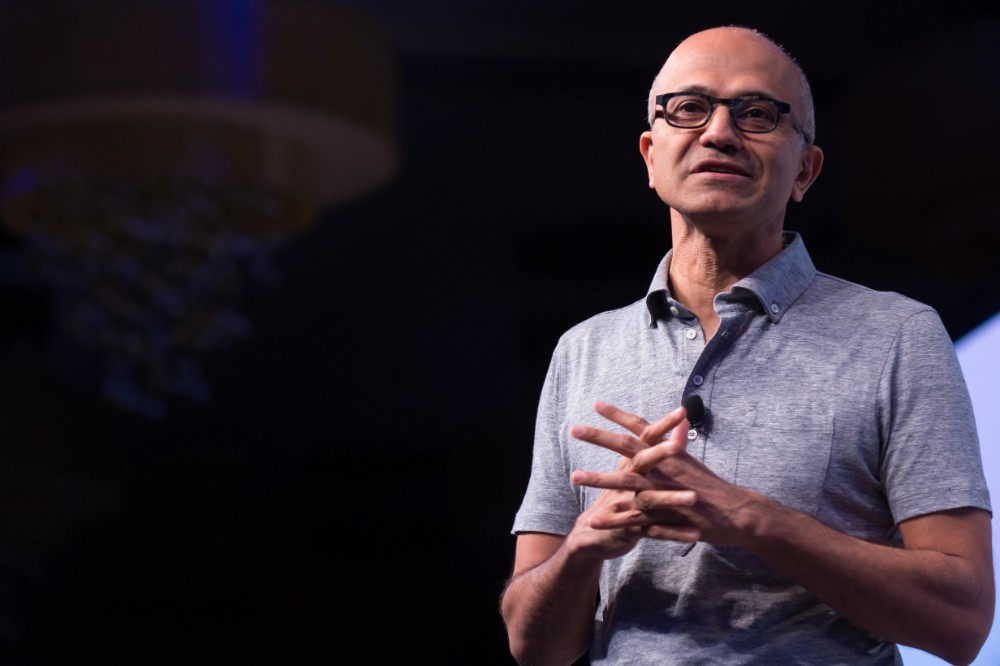
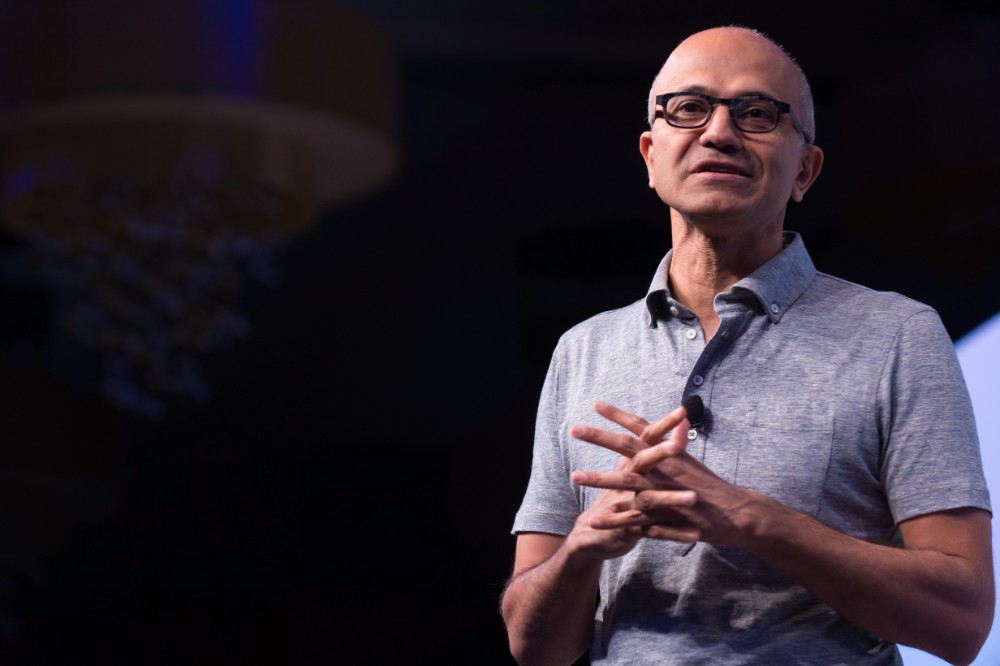
Microsoft CEO Satya Nadella told investors during the earnings call that "CPUs are just as important as GPUs" when it comes to running AI agents.
Graphics processing units (GPUs) are the AI chips that Nvidia produces. While Nvidia isn't the only GPU maker, it has the largest market share. Central processing units (CPUs) are the brains of the operating system and instruct the GPUs. Most of the early AI build-out has focused on GPUs. While CPUs were still used, they weren't as plentiful.
Advanced Micro Devices released research that explains how early AI build-outs featured one CPU for every four to eight GPUs, but the ratio is changing as AI needs evolve. "We are seeing agentic AI moving toward a 1:1 ratio and, in some cases, it's higher on the CPU side," Advanced Micro Devices said in its research.
Microsoft specifically named AMD Helios as its upcoming rack-scale AI infrastructure, along with Nvidia's Vera Rubin. GPUs still remain in high demand, but investors should monitor the growing popularity of CPUs.
Advanced Micro Devices and Intel are two of the top CPU stocks. Grand View Research projects a 46.2% CAGR for the enterprise agentic AI market, which bodes well for CPU makers.