The robotics industry is advancing rapidly, and companies of all sizes are trying to capitalize on its future potential. Morgan Stanley estimates the market potential for humanoid robotics could be worth a massive $5 trillion by 2050, and many investors are understandably eager to get in early on this emerging trend.
Both Nvidia (NVDA +1.34%) and Tesla (TSLA -0.53%) are making significant progress in this space, but Nvidia appears to be the clear winner between these two robotics stocks. Here's why.
Image source: The Motley Fool.
The case for Nvidia
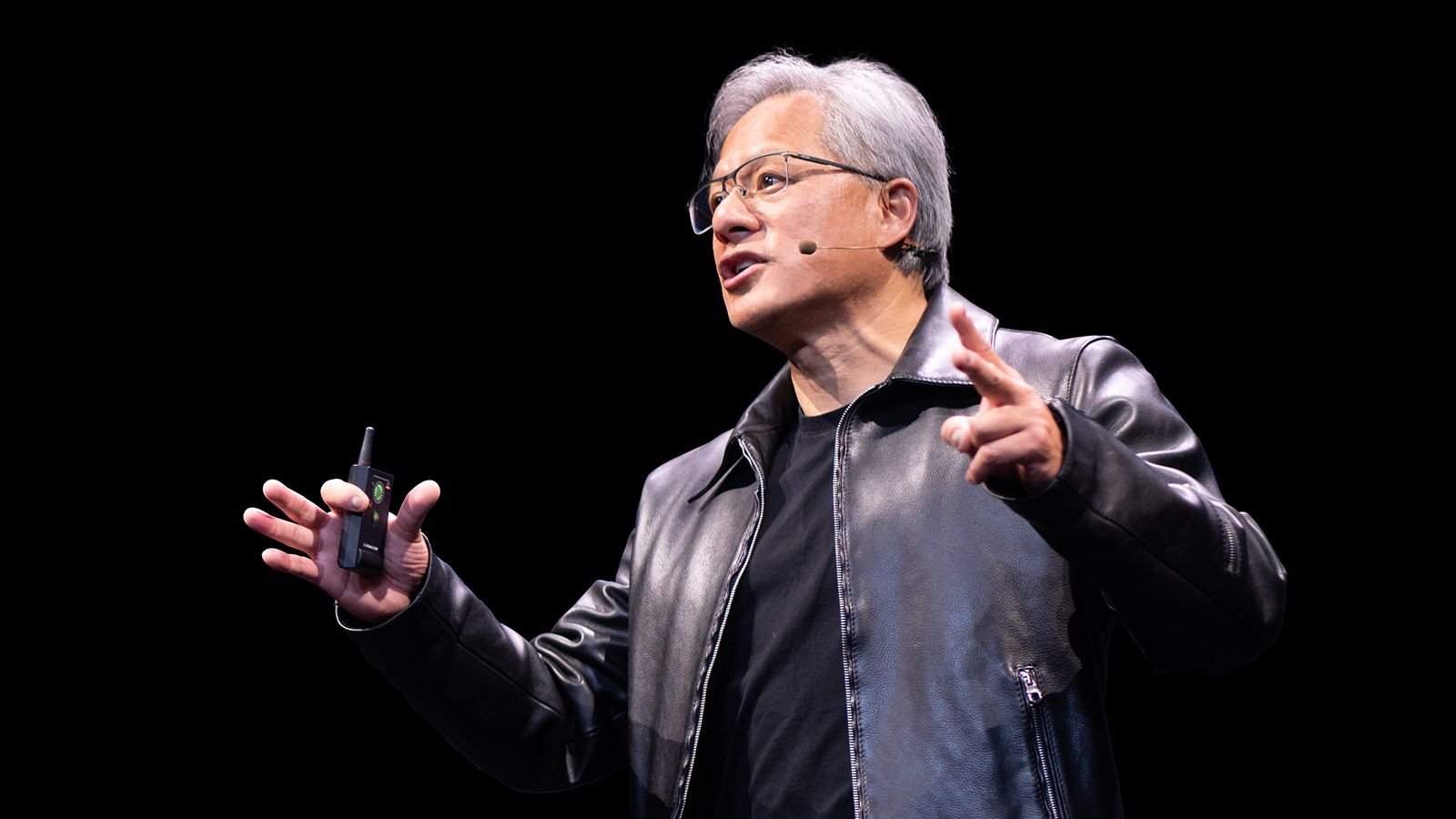
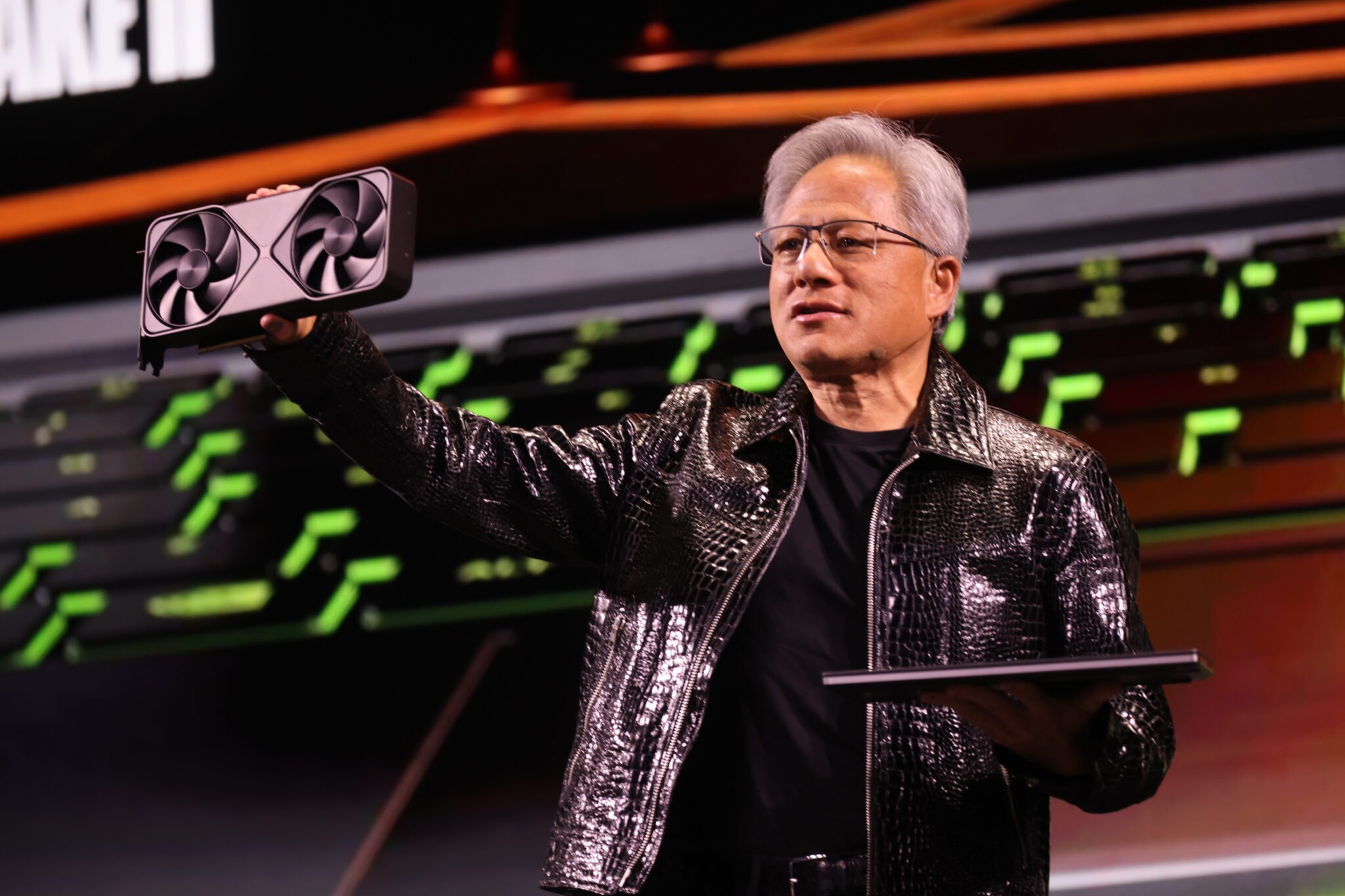
Nvidia CEO Jensen Huang recently said that "every industrial company will become a robotics company," and management believes its physical AI opportunity -- which includes everything from robotics to autonomous vehicles -- could be its next big tech opportunity.
To help make its physical AI goals a reality, Nvidia has developed a universal, open-source AI foundation model for humanoid robots, called Isaac GR00T. The idea for the project is to have a general brain for robotics companies to learn tasks.
Nvidia also debuted its Halos full-stack safety system for robots in June, combining software, sensors, and processors to create a safety ecosystem for humanoid robotics in factories and other industrial settings.
What's more, Nvidia's Jetson Thor supercomputer is used by leading robotics companies -- including Boston Dynamics and Amazon Robotics -- for artificial intelligence inference training and robotic simulation. The computer enables vision and speech processing in humanoid robots, allowing them to learn and process information in real time.
Morgan Stanley estimates that by 2050, there could be 1 billion humanoid robots worldwide. Nvidia is already preparing for such a world, and it believes its opportunity will grow exponentially over the next 10 years.
Huang said on the Y Combinator podcast in July that his company's physical AI revenue has already reached an annual run rate of $10 billion, adding that in less than 10 years, "this will be our next $100 billion business."
What's more, Nvidia currently has a massive $48.5 billion in free cash flow at the end of its first quarter, proving that its investments in its next area of growth aren't weighing down its current profits.

NASDAQ: NVDA
Key Data Points
The case for Tesla
Tesla's approach to robotics is very different from Nvidia's, with the company focused on building a physical humanoid robot, Optimus.
The company recently decommissioned its Model S and Model X automotive manufacturing lines in Fremont, Texas, to ramp up Optimus manufacturing and eventually build 1 million robots annually at the factory. Tesla is also building a new Giga Texas factory dedicated to Optimus production, which will eventually reach 10 million robots annually.
Tesla CEO Elon Musk has high hopes for humanoid robots, saying that they could eventually be "the biggest product of any kind, ever."
The Optimus robots Tesla is building now, the company admits, aren't doing "useful" work yet; instead, they're used in the company's own factories strictly for learning and data collection. The company also missed its 2025 Optimus production guidance of 5,000 to 10,000 units, building just "hundreds" instead.
It's also costing Tesla a ton of money to try to make its robotics future a reality. Tesla's capital expenditures in Q2 2026 increased 142% to nearly $5.8 billion, in part to accelerate its robotics production. The ramp-up in spending caused Tesla's free cash flow to decline rapidly, to negative-$1.1 billion.

NASDAQ: TSLA
Key Data Points
The verdict: Nvidia is the better robotics stock right now
I think Tesla has significant potential to benefit from robotics, but the company is going through an identity crisis right now. Musk is trying to transition Tesla away from being just an EV company, yet it still sells three models and a semi-truck while focusing on robotics.
It takes time to switch gears, of course, but the bigger problem is that Tesla is burning through so much cash right now that it's unclear how it will recoup its costs any time soon.
With Tela's significant losses and the financial benefits of humanoid robotics still many years away, Nvidia wins this matchup hands down. Nvidia's existing GPU business is highly profitable, allowing the company to invest in new growth areas like robotics, without sacrificing profits.
And given that Nvidia can sell its processors to any leading robotics company -- whether that ends up being Tesla or another company -- Nvidia is perfectly poised to benefit as this industry expands.