Jim Cramer is a former hedge fund manager who has built a reputation for dissecting balance sheets with theatrical flair and delivering rapid-fire opinions about stocks. As the face of CNBC's Mad Money, Cramer's talent is translating complex market dynamics into accessible, high-energy commentary. With that said, his style can sometimes feel more like entertainment than disciplined analysis.
Still, investors pay enough attention to Jim Cramer that his commentary can move sentiment. This week, shares of Space Exploration Technologies (SPCX +1.13%) took a sharp tumble after the company reported earnings. Following this move, Cramer offered a strikingly patient take, framing the SpaceX dip as far more interesting than a routine sell-off.

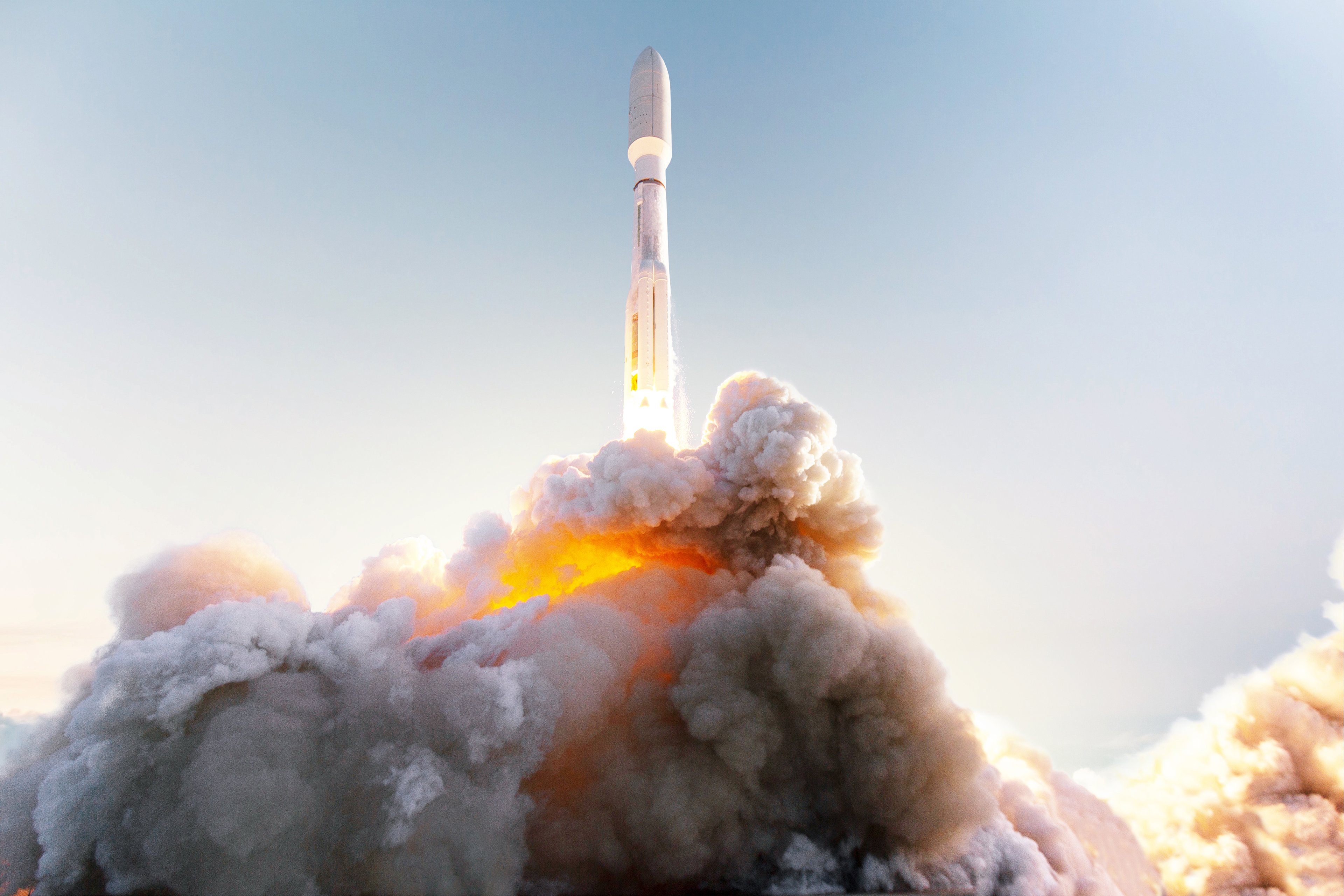
Image source: Getty Images.
Cramer thinks SpaceX is a multidecade holding
With SpaceX stock under pressure from elevated capital expenditures (capex) and the release of locked-up shares on Aug. 6, Cramer urged his audience to stop measuring the company in quarterly increments and start thinking in terms of decades.
He pointed to SpaceX CEO Elon Musk's ambitions, including the placement of data centers in orbit that will have the ability to draw power directly from the sun and potentially sidestep terrestrial constraints. In Cramer's view, these orbital facilities represent an infrastructure plan whose true payoff will not arrive for years -- or even generations.
He compared the scale of SpaceX's build-out to the railroad construction boom over a century ago, when enormous capital outlays were poured into tracks and locomotives long before the network became usable at scale. Cramer's message is clear: SpaceX's current volatility is the cost of laying the foundation for an opportunity that could endure far longer than any single investor's career.

NASDAQ: SPCX
Key Data Points
Comparing SpaceX to railroads makes sense
I am neither a physicist nor an engineer, so I have no technical basis for judging whether Musk's orbital data center vision can overcome the hurdles of radiation, latency, or the maintenance logistics required to operate a business in space. To me, the idea feels equal parts awe-inspiring and cartoonish.
Nevertheless, I think Cramer's comparison to railroads lands with surprising force. Space exploration, satellite constellations, AI development, and railroads all demand vast sums of upfront capital -- laying steel rails across continents or launching hardware into orbit. Moreover, all of these endeavors face years of cash burn before the network is dense enough to attract steady customers.
But once the underlying infrastructure exists and adoption rates accelerate, the economics start to shift. As traffic begins to flow and incremental costs drop, the business can become self-sustaining in ways that skeptics doubted. Cramer's parallel does not prove that orbital compute will succeed. However, he does a nice job illustrating why patient capital has historically been rewarded when transformative ideas finally mature.
If you buy SpaceX stock, be prepared to hold it
The most interesting part of Cramer's remarks about SpaceX was his framing of the stock as the modern-day equivalent of a 100-year railroad bond. While day trading can certainly generate profits from time to time, the deeper, quieter form of wealth creation has always come from compounding.
"Maybe you put some away for the next generation," he told Mad Money viewers.
Buying SpaceX stock steadily over the course of decades -- provided your conviction remains intact -- allows time and reinvestment to do the heavy lifting for you. With this in mind, setting aside an allocation of your potential SpaceX position specifically for children or grandchildren can turn a single stock into a multigenerational asset -- one that outlives market cycles, management changes, and the original investor's own working life.
Against this backdrop, Cramer's opinion serves as a pointed reminder that the proper posture toward investing in any transformative company is not chasing momentum, but rather employing disciplined accumulation over a long-term time horizon. Whether SpaceX ultimately justifies this patience is still uncertain, but the principle Cramer emphasizes is timeless: The greatest returns often belong to those who are willing to wait the longest.