After a relatively quiet first half of the year, Archer Aviation (ACHR +0.00%) has kicked things into high gear. It's announced a flurry of exciting developments in recent weeks, the most recent of which involves its longtime partner, aerospace giant Boeing (BA -1.64%)
Archer has agreed to buy three Boeing businesses -- Wisk Aero, Insitu, and SkyGrid -- in exchange for newly issued Archer stock. When the deal closes, Archer will issue Boeing a stake in its stock equal to 19.75% of Class A shares immediately beforehand.
Archer stock surged as much as 25%, but has since dialed back to a roughly 13% gain at the time of this writing. Still, the news has reinvigorated Archer investors with what could become one of the most consequential deals in the company's short history -- at least, from the standpoint of its burgeoning defense business.
Let's look at why the deal matters, the pros and the cons, and whether it makes me more or less bullish on Archer stock.

NYSE: ACHR
Key Data Points
Boeing is giving Archer's defense business a major boost
Archer is trying to build new aircraft for urban transportation, military, and defense. For almost its entire life, the company has been working tirelessly to certify its Midnight eVTOL (electric vertical take-off and landing) aircraft, which would enable it to commercialize its air taxi business.
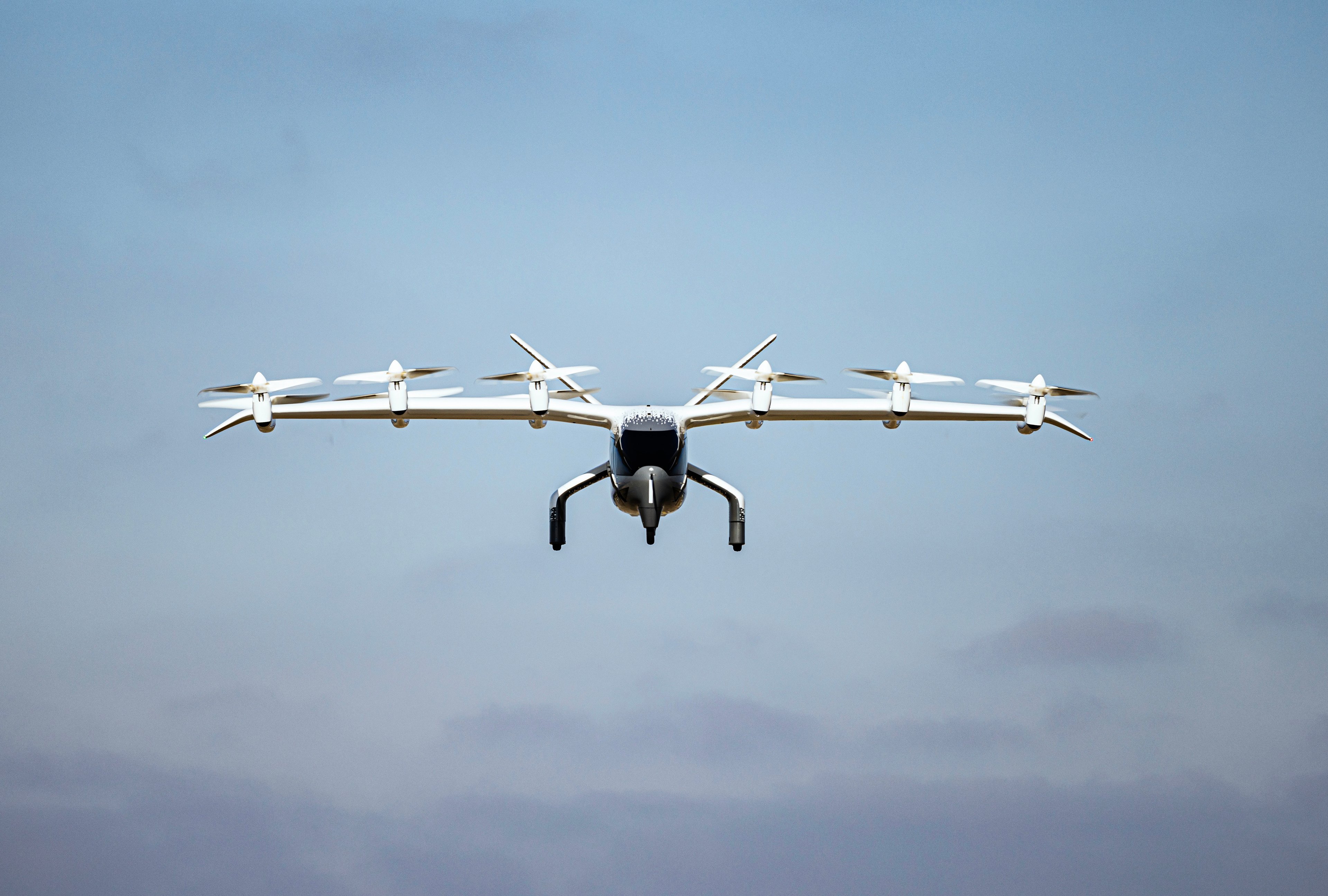
Image source: Archer Aviation.
Most people have known Archer from this vision of urban air travel, which has often been likened to flying cars (though don't get your hopes up: Midnight is nothing like the hovering cars of Back to the Future: Part II). But lately Archer has leaned harder into another side of its business, one that could put much-needed revenue in its pockets before the air taxi side is clear for takeoff.
That side of its business is defense. Archer has worked with the U.S. Department of Defense for years, but its current defense business ramped up in late 2024, when Archer and the defense technology company Anduril established a strategic partnership. The fruits of that relationship emerged last month, when the companies unveiled a jointly developed autonomous platform and its military variant, Thunder.
It's no shocker, then, that one of the three Boeing businesses Archer is acquiring is also a meaningfully profitable military-drone company -- Insitu. Insitu, which deals in uncrewed aircraft systems (UAS), and has manufactured and fielded more than 3,500 of them, is generating more than $200 million in annual revenue. That's almost $200 million more than what Archer itself generated in 2025 (about $300,000).
Archer also bought Wisk, a separate eVTOL company, which has completed more than 1,700 flight tests of its own eVTOLs, and SkyGrid, an air traffic management platform.
Altogether, these three businesses, along with Archer's other air taxi and defense businesses, are turning Archer into a much broader aerospace company, one that could control much more of the technology behind autonomous aviation than previously thought.
The hefty cost of the deal: dilution
For Archer investors, these three businesses came at a cost -- the cost of dilution.
It's always a threat when you invest in an early-stage company that it will rely heavily on equity to fund its expansion, development, and research. Likewise, the Boeing-Archer deal means investors will own a smaller percentage of Archer once the deal is done. Boeing also has two warrants, which could cause further dilution down the line.
That isn't insignificant, but whether the dilution proves worthwhile will ultimately depend on how much Wisk, Insitu, and SkyGrid improve Archer's long-term growth story.
On the one hand, the deal certainly diversifies Archer's business. It's not completely reliant on Midnight's certification to get its revenue going. On the other hand, Archer still doesn't have an air taxi business. We can't let a blockbuster deal obscure that fact. No matter how successful the defense side becomes, without certification for Midnight, manufacturing Midnight to scale, and putting paying passengers in the air, Archer will likely never live up to lofty expectations.
In the end, the deal makes me less cautious about Archer's future, but not yet more bullish. I might buy a few more shares of Archer, but until I see advancements in Midnight's certification, I'm not ready to make Archer a much larger position.