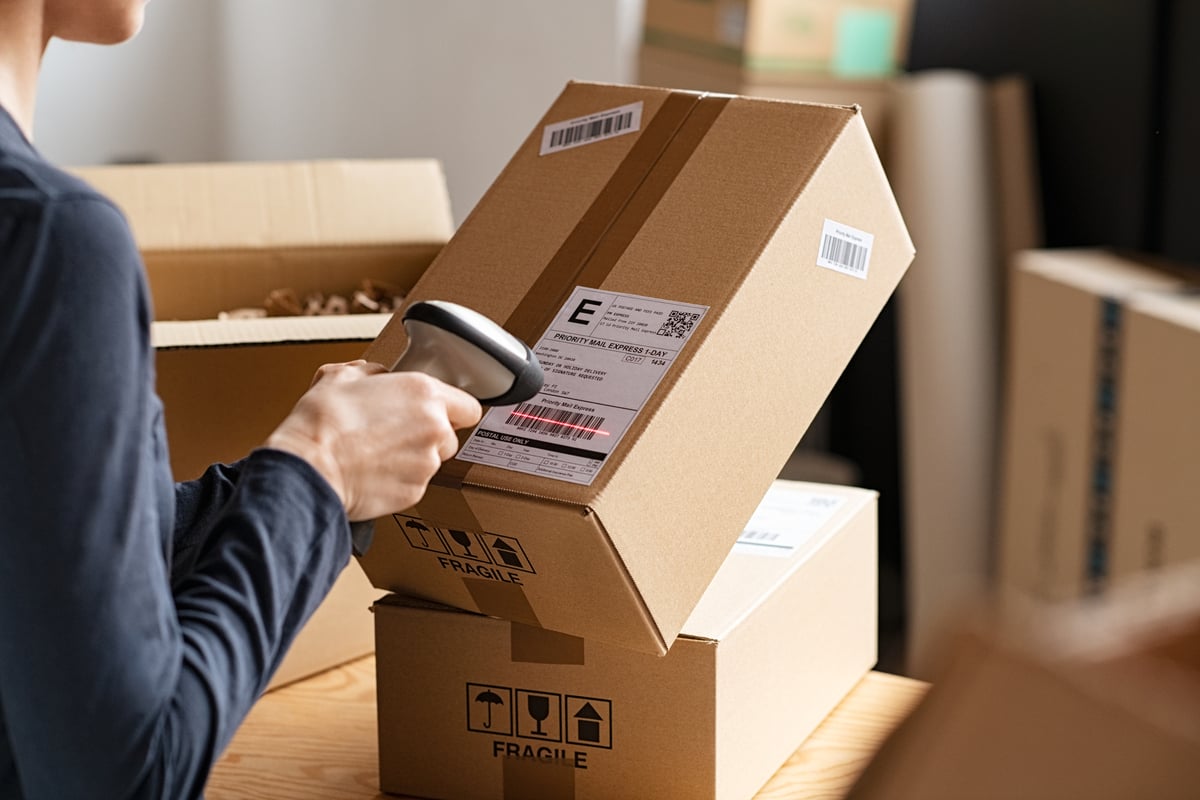
UPS (UPS -0.93%), one of the world's largest shipping couriers, significantly reduced its dependence on Amazon (AMZN +1.32%) over the past two years. In early 2025, UPS announced it would reduce its Amazon-related shipping volume by more than 50% through 2026. By mid-2026, UPS had phased out its standard last-mile delivery services for Amazon across its major markets, reducing its shipment volume by millions of pieces per day.
Amazon had been UPS's largest customer, so it might initially seem like an odd move to eliminate those services. However, those last-mile shipments clogged its sorting facilities and generated lower profits than its longer-range deliveries. Therefore, UPS was willing to sacrifice its near-term revenue to stabilize its long-term margins. Let's see if that was the right call.
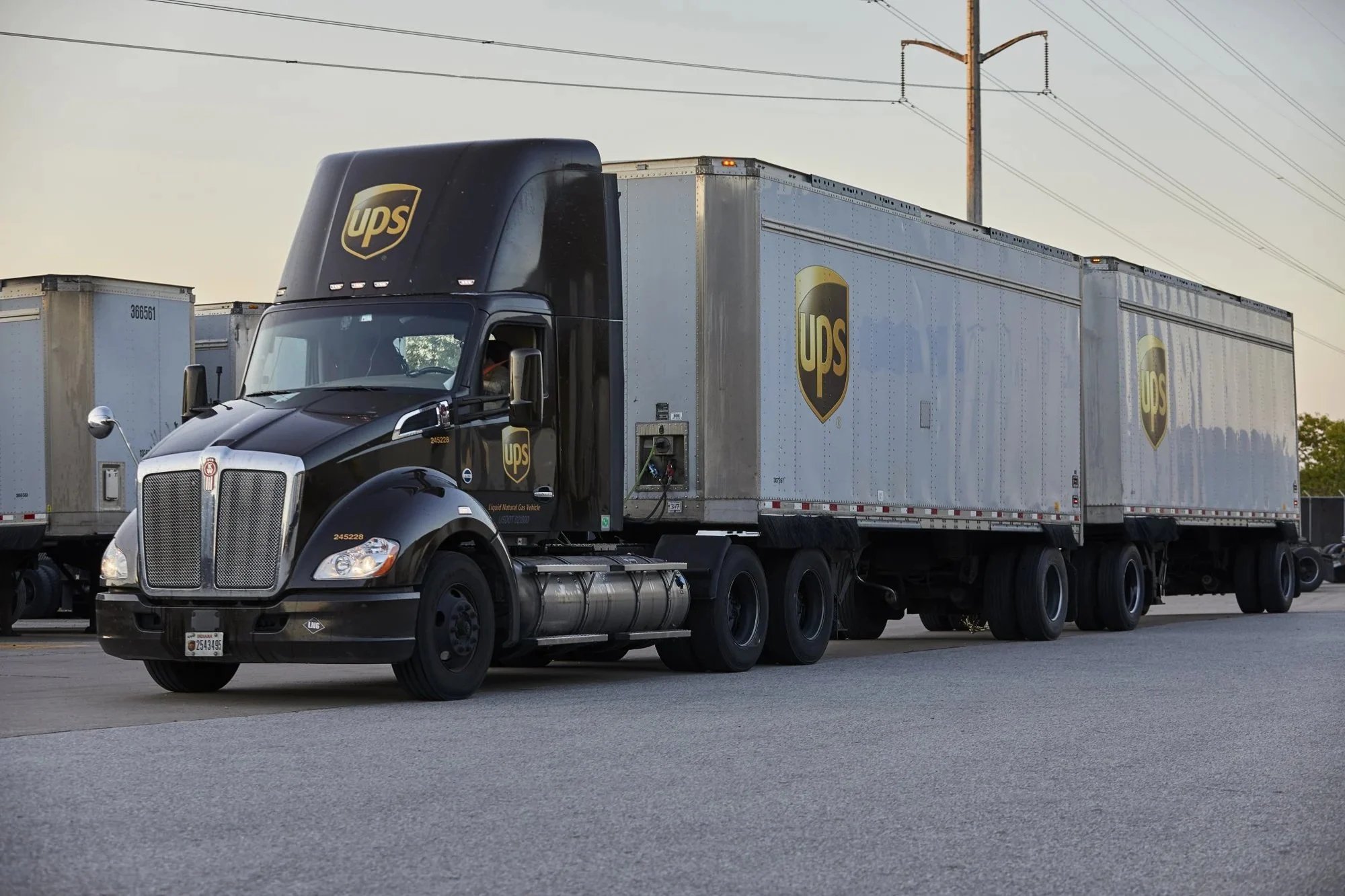
Image source: UPS.
How much did UPS depend on Amazon?
In 2024 and 2025, UPS generated about 11% of its revenue from Amazon. That percentage dipped below 9% in the first half of 2026 and should shrink even further in the second half.
That percentage won't drop to zero, since UPS will still process Amazon's returns at its UPS Stores, handle its marketplace seller logistics, and deliver its long-distance freight. It will also still fulfill Amazon's last-mile orders in certain rural areas and during peak delivery seasons. Therefore, it's not completely cutting ties with Amazon, as FedEx (FDX +1.15%) did in 2019.

NYSE: UPS
Key Data Points
What will the impact be on its business?
UPS is focused on securing higher-margin orders from small- to medium-sized businesses and healthcare customers to offset its loss of Amazon's orders. It's also trimming its workforce, closing some facilities, and automating more tasks to streamline its business.
For 2026, UPS expects its revenue to rise 3% to $91.2 billion as its adjusted EPS grows 1% to $7.22. Those growth rates might seem sluggish, but they would mark the first time its revenue and adjusted EPS have grown in tandem since 2022.
More importantly, achieving that acceleration would also prove that UPS doesn't need Amazon's lower-margin orders to keep growing. It also counters the bearish notion that macro, competitive, and labor-related headwinds would limit its long-term growth.
Is UPS a good investment today?
At $100, UPS still looks like a bargain at 14 times this year's earnings, and it pays an attractive forward dividend yield of 6.4%. It's raised that payout for 16 consecutive years. UPS isn't an exciting stock, but its low valuation, high yield, and steady turnaround all make it a safe income play in this tumultuous market.