Although earnings season helps investors understand the nuts and bolts of what makes businesses tick, the quarterly filing of Form 13Fs can be equally important. A 13F provides investors with a concise snapshot of the stocks Wall Street's savviest money managers purchased and sold in the latest quarter (in this case, the second quarter).
On Aug. 14, thousands of financial institutions and asset managers, including some very well-known billionaire investors, filed their 13Fs with regulators. I analyzed the top four holdings for 17 prominent billionaire money managers and found three stocks that just kept showing up: Alphabet (GOOGL -1.06%)(GOOG -0.97%), Taiwan Semiconductor Manufacturing (TSM +1.40%), and Amazon (AMZN +0.44%).

Image source: Getty Images.
Alphabet
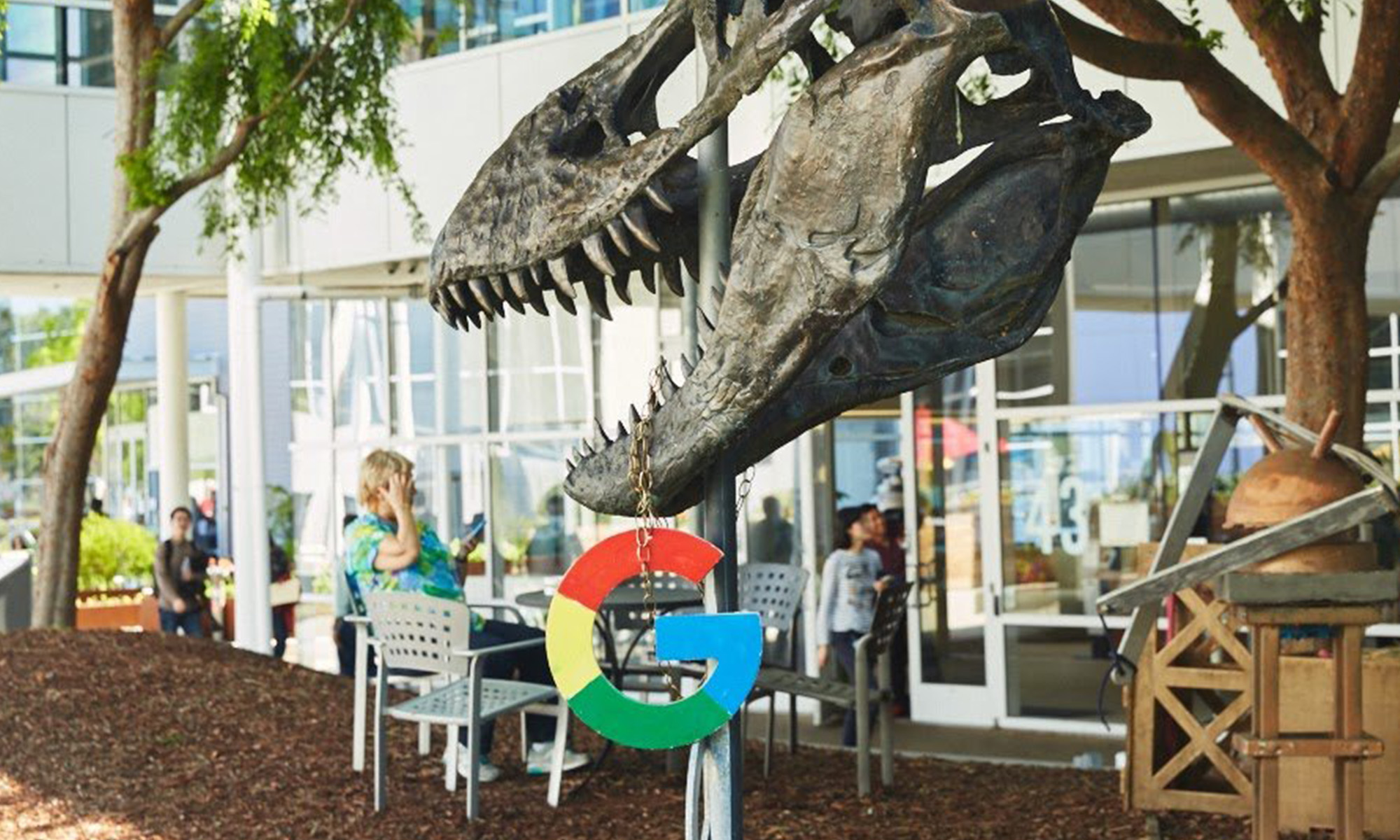
It should come as no surprise that Google parent Alphabet is a leading common denominator among billionaire investors. It's a top-four holding for five billionaires, including:
- Tiger Global's Chase Coleman
- Appaloosa's David Tepper
- Baupost Group's Seth Klarman
- Third Point's Dan Loeb
- The now-retired Warren Buffett, who initiated Berkshire Hathaway's position in Alphabet
Alphabet possesses well-defined competitive advantages in the advertising arena. It holds a virtual monopoly on global internet search traffic and owns streaming platform YouTube, the second-most-visited social site on the planet.
Last quarter:
-- Qualtrim (@qualtrim) August 17, 2026
Google Cloud: +24% QoQ
Microsoft Cloud: +27% YoY
Google grew in nearly three months what Microsoft grew in twelve.$GOOGL $GOOG $MSFT pic.twitter.com/9NPlV0JSkX
But it's Alphabet's cloud infrastructure services platform, Google Cloud, and its artificial intelligence (AI) ties that have billionaires excited. Since integrating generative AI and large language model solutions into Google Cloud, sales growth in this high-margin segment has gone parabolic (82% from the previous year in the second quarter).
Taiwan Semiconductor
Another common denominator among billionaire fund managers is chip-fabrication giant Taiwan Semiconductor Manufacturing (also known as "TSMC"). It was a top-four position for five billionaires at the end of June, including:
- Duquesne Family Office's Stanley Druckenmiller
- Viking Global's Ole Andreas Halvorsen
- Coatue Management's Philippe Laffont
- Appaloosa's David Tepper
- Tiger Global's Chase Coleman
TSMC is the largest position for Laffont and Coleman.
TSM Taiwan Semiconductor Manufacturing
NYSE · As of 4:00 PM ET 10/26/26

The beauty of TSMC is that it's ideally positioned to benefit from the evolution of AI. As of September 2025, it controlled 72% of global chip contract manufacturing and is enjoying exceptional pricing power as demand for graphics processing units far outpaces supply. Its chip-fabrication services are essential to the AI data center build-out.
While advanced chips make up the lion's share of Taiwan Semi's growth, it also manufactures central processing units, as well as chips for smartphones and automobiles.

Image source: Amazon.
Amazon
The third and final stock that kept popping up as a core holding among Wall Street's brightest billionaire asset managers is dual-industry leader Amazon. As of June 30, it was a top-four position for five billionaires, including:
- Appaloosa's David Tepper
- Tiger Global's Chase Coleman
- Baupost Group's Seth Klarman
- Third Point's Dan Loeb
- Pershing Square's Bill Ackman
Amazon is the largest holding for both Tepper and Klarman.
Andy Jassy, Amazon CEO on AWS:
-- Qualtrim (@qualtrim) August 16, 2026
2026 capacity: sold out
2027 capacity: sold out
2028: already filling
Amazon AWS backlog is at all-time highs.$AMZN pic.twitter.com/RZIw5eSKuo
While most investors are aware of Amazon's online marketplace dominance, they might not realize that Amazon Web Services (AWS) is the world's leading cloud infrastructure services platform by total spend. Since Amazon integrated AI solutions into AWS, its sales growth has also reaccelerated. AWS is pacing nearly $169 billion in annual run rate sales.
As AWS grows into a larger percentage of Amazon's net sales, its operating cash flow should increase considerably faster than its revenue. According to Wall Street's consensus, Amazon can more than double its annual cash flow per share between 2025 and 2028.