Ford Motor Company (F -1.40%) is thinking outside the box and making some big changes. It's planning to create sub-brands with popular models such as the Bronco SUV, adding not only a pickup version but even a luxury Lincoln variant.
Investors should be optimistic about Ford's commitment to refreshing 80% of its North American lineup and promising five models at $40,000 or lower to help address the growing affordability problem. What it's doing in Europe is just as intriguing.
Here's the latest example of the changing dynamics in joint ventures and what it means for Ford investors.
If you can't beat 'em...
In the grand scheme of the automotive industry, it wasn't all that long ago that foreign automakers entered China's massive automotive market but were forced to partner with Chinese automakers to do so. It started a trend of rapid learning among Chinese automakers, which is now culminating in Chinese automakers developing cars at roughly half the speed the industry is used to; it even has a term, "China speed." Now, at least in this recent development, the apprentice has become the master, and Ford plans to build a new SUV using Geely Auto Group's (GELHY -0.75%) electrified GEA platform.
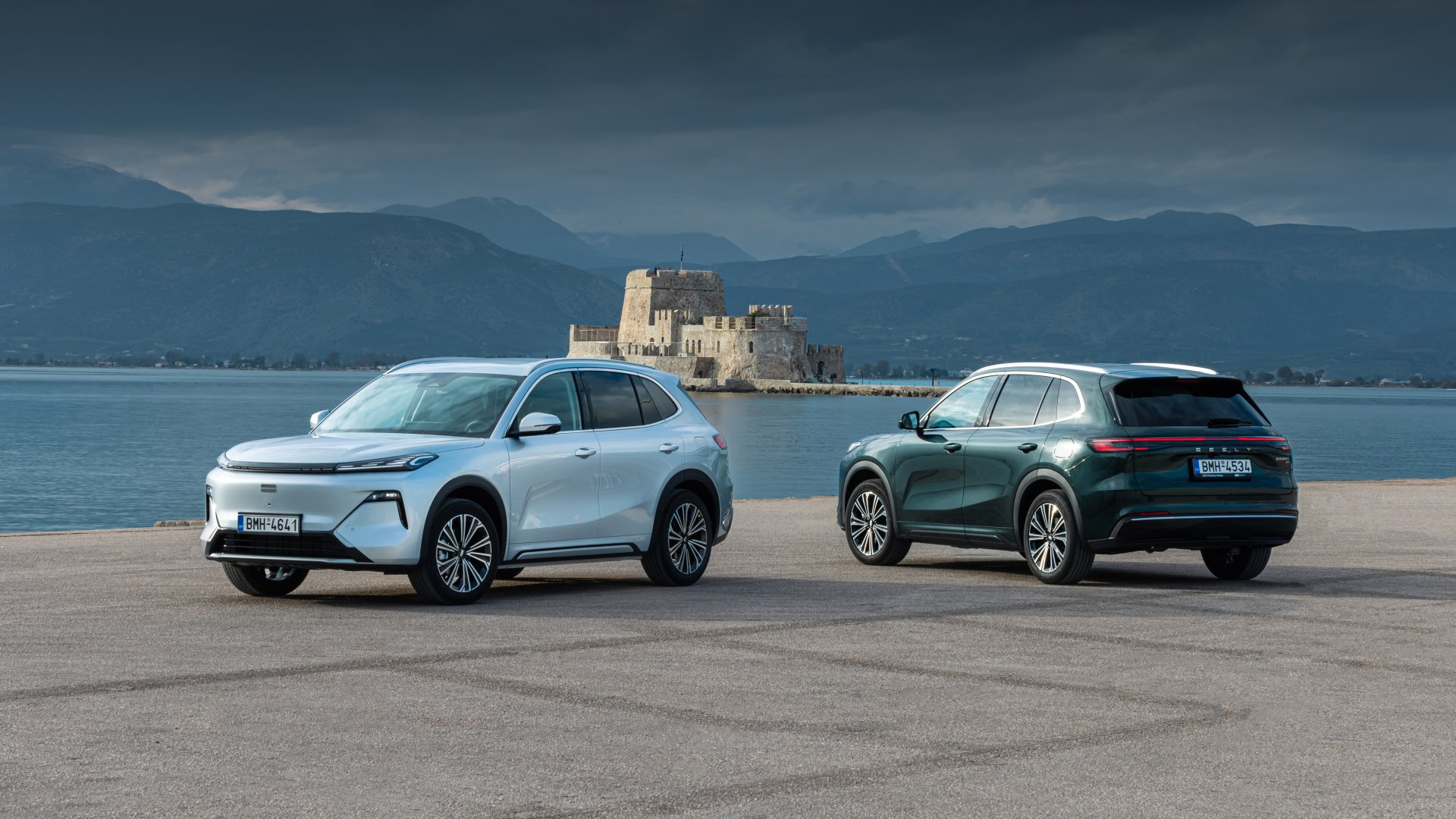
Image source: Geely.
More specifically, Ford and Chinese juggernaut Geely will collaborate on a compact crossover with multiple drivetrains with a launch date of 2029. The product will be built in Valencia, Spain, and Ford plans to use Geely's GEA platform but will differentiate its product with a "rally" styling and design specs intended to draw on Ford's racing heritage.
Ford and Geely's joint venture will operate the Valencia factory, and, as part of the joint venture, Centurion Industries, which is Geely-owned, will pay the Detroit automaker $259 million for a 34% stake in the facility.
For Ford, this is unique and intriguing because it's essentially a reversal of past joint ventures with Chinese automakers, and it will enable the Detroit automaker to tap into the low cost structure and advanced electric vehicle technology that Chinese automakers are becoming world-renowned for developing at half the speed historically seen.
For Geely, this enables the company to reduce risk and capital investments and helps it expand in Europe, which has been a focus for Chinese automakers, as the domestic market has been engaged in a brutal price war. The Chinese auto market could use consolidation and an end to the brutal price wars, but it's caused Chinese automakers to focus on exports, which have absolutely soared over the past couple of years.
In fact, Geely's target is to sell 400,000 vehicles in Europe annually between Geely, Lynk & Co, and Zeekr brands. While those three bands combined for only about 25,000 vehicle sales during the first six months of this year, that's over three times the same amount last year.

NYSE: F
Key Data Points
Learning time
The Chinese automakers show how quickly these joint ventures can improve operations by simply learning from new processes and strategies, and if done correctly, Ford's gained knowledge could be transported back to its North American profit engine and give it an edge over the competition here, which, for now, lacks a Chinese presence due to tariffs.
Ford was early to try this new strategy, but it's certainly not the only example. Stellantis also created a joint venture with China's Leapmotor. The partnership calls for Leapmotor to utilize spare production capacity at Stellantis' Spanish factories, enabling the Detroit automaker to use a Chinese platform for its new Opel/Vauxhall SUV.
These are prudent, smart, and likely profitable moves by Ford and Stellantis, and the upside is large if the two automakers can learn to develop China speed and drastically lower costs. It's also exactly what the doctor ordered for Ford and Stellantis, as legacy automakers seem to be falling behind technological advancements, not only from Tesla and Rivian (which already helps Volkswagen with its software stack) but also from many Chinese "rivals."
Investors would be wise to keep an eye on these moves just as much as the moves to refresh Ford's portfolio in North America, because we've seen exactly what these joint ventures can do for automakers over the years -- it's just the Chinese teaching this time around.