In a market environment that's still buzzing about the recent IPO of Space Exploration Technologies (SPCX -0.94%), much smaller space launch company Rocket Lab (RKLB -5.46%) quietly continues plodding along. It just launched its so-called Electron rocket for the 93rd time, in fact, although it doesn't seem to be affecting the share price much.
Its stock is still falling from its late-May peak, with investors remaining enamored with SpaceX and unimpressed by Rocket Lab's continued progress. What gives?
Arguably, one factor far more than any other. That's its other rocket, called Neutron.
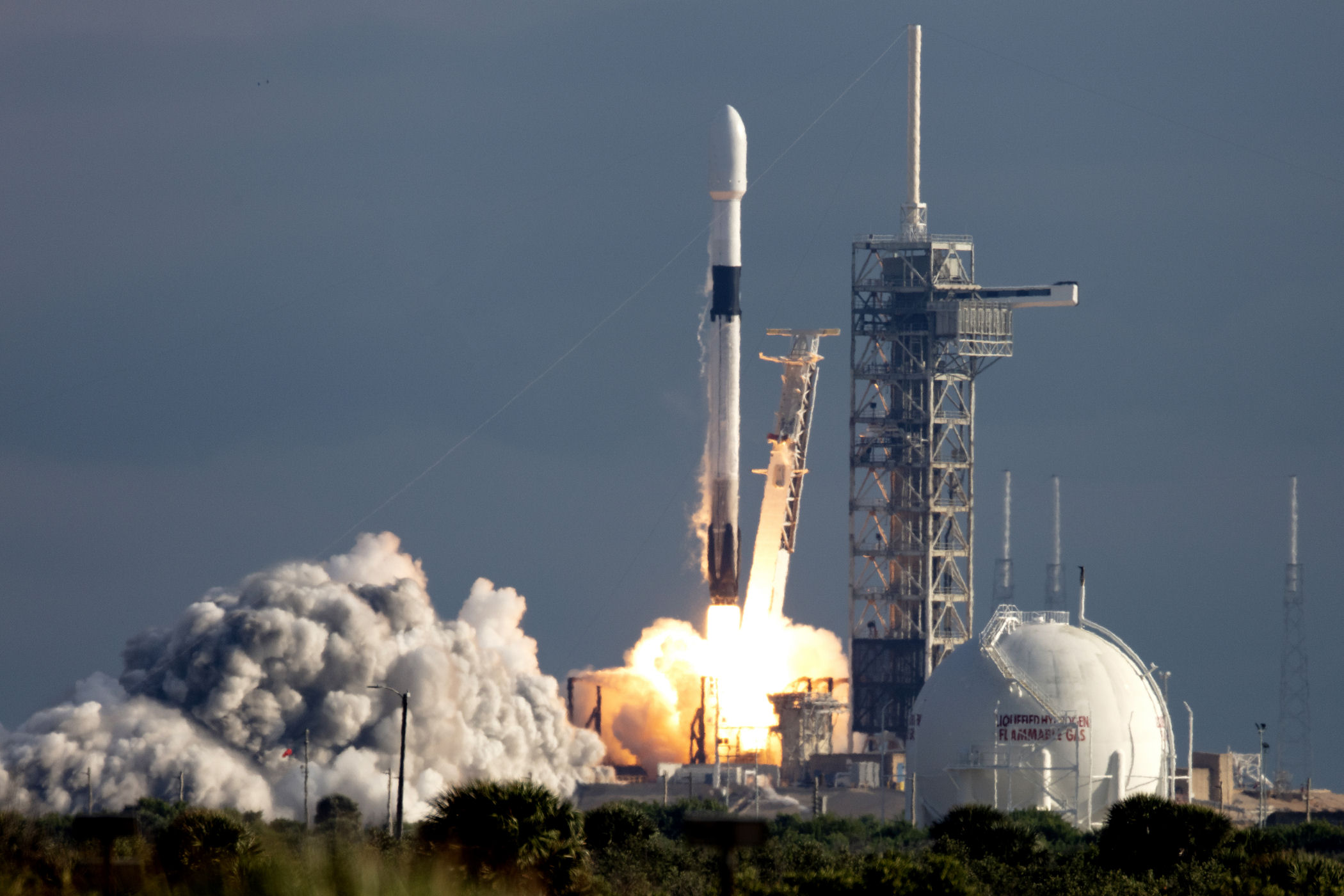
Image source: Getty Images.
The right idea at the right time
Not all rockets are built the same. The reusable Electron is designed and built from the ground up to put payloads of 660 pounds or less into low-Earth orbit, or LEO. And it's proven to reliably do exactly that.
There's only so much need for this sliver of the space launch industry, though. Much of the future of space-based science, communication satellites, and even lunar and interplanetary exploration will require bigger rockets.
Enter Neutron. It can lift over 14 tons of equipment and/or personnel into LEO, making it competitive with SpaceX's medium-lift capabilities. And Neutron isn't just an idea. It's been designed, built, and almost launched a handful of times.
There's the rub. Initially expected to fly in 2024, its first flight has been pushed back several times now, with the latest projection suggesting its inaugural launch now won't happen until sometime in 2027. And that assumes delays won't surface in the meantime. Investors are understandably frustrated, recognizing that each day Rocket Lab can't prove its Neutron rocket works is another day a potential customer considers tapping SpaceX (or another competitor) instead.
It matters simply because, according to an outlook from industry research outfit Precedence Research, the worldwide space launch service market is expected to grow at an average annual pace of more than 11% between now and 2035 -- led by medium-lift LEO launches -- when it should be worth on the order of $70 billion per year.
The story behind the steering wheel
Successfully entering the medium-lift launch business isn't critical to Rocket Lab's current and future viability. More than half of last year's top line reflected sales of products and satellite design services. Moreover, its recent acquisitions of Mynaric, Optical Support, and Iridium Communications bring it even more ways to capitalize on the ever-growing space business without Neutron making regular flights. And to its credit, even without its first successful launch, Rocket Lab recently announced that Kepler Communications would become a paying Neutron customer once the medium-lift rocket is finally ready for regular commercial operations.
It just doesn't matter to investors nearly as much as it arguably should. Neutron is Rocket Lab's highest-profile effort right now, which means the company's stock largely reflects its developmental progress (or lack thereof).

NASDAQ: RKLB
Key Data Points
More to the point for investors in or mulling a position in RKLB stock: Yes, Neutron's timeline is still your biggest risk ... even bigger than the company's ongoing losses or the hefty $8 billion price it paid for Iridium.
Just recognize that the stock's recent weakness could still reverse course at any time with no warning. The analyst community still contends it's worth $116 per share, which is more than 70% above the ticker's current price.