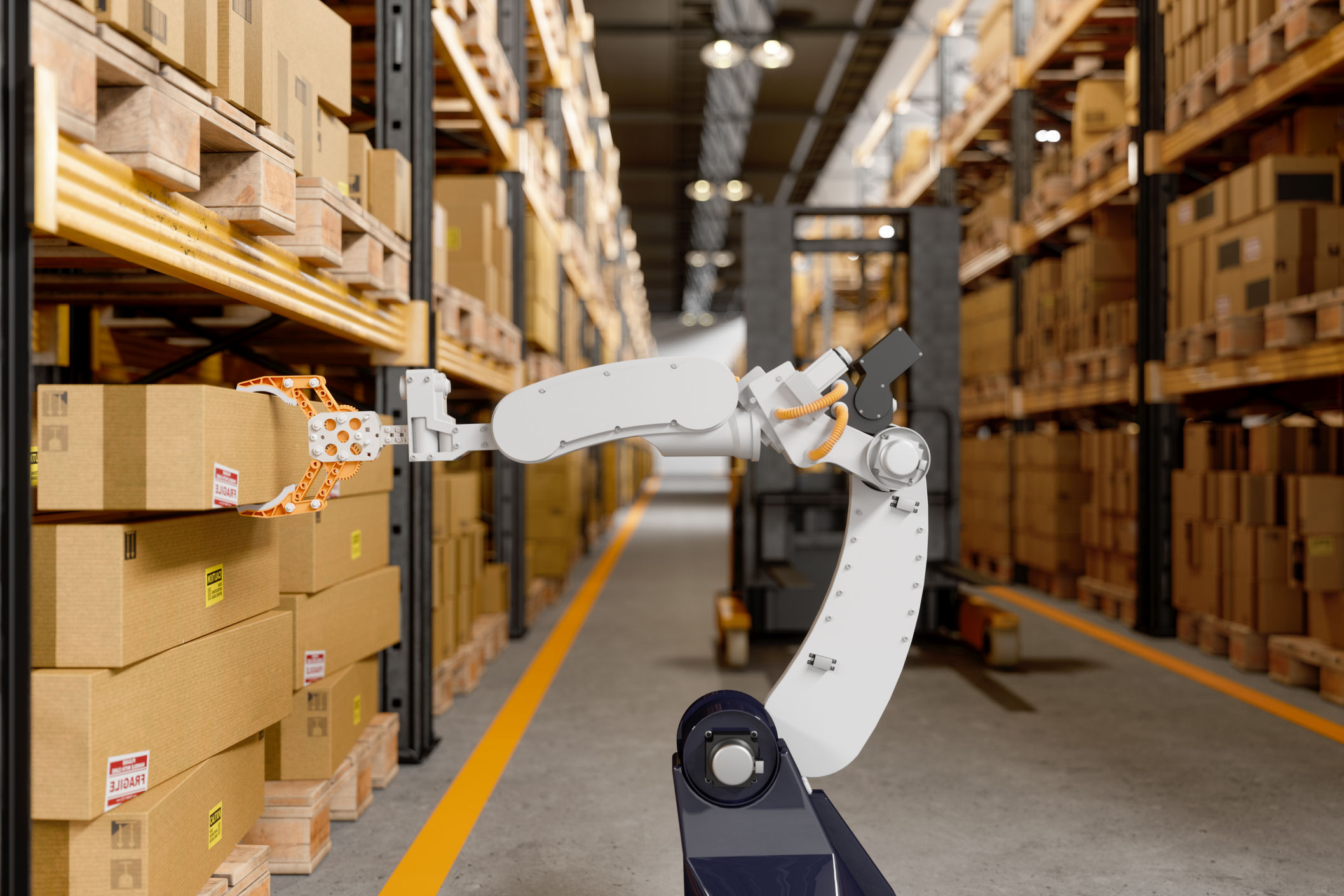
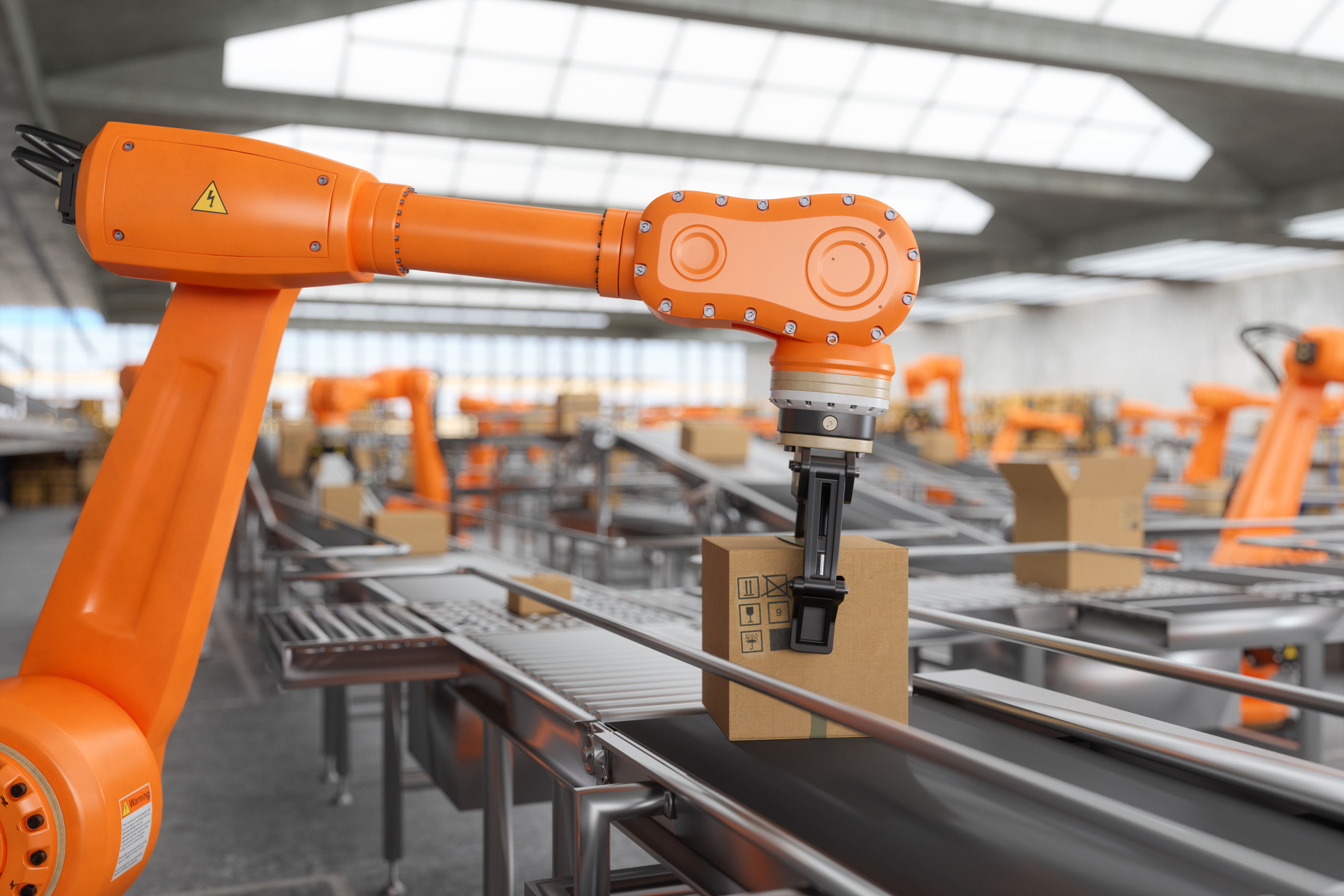
Symbotic (SYM +1.35%), a developer of autonomous warehouse robots, went public through a merger with a special purpose acquisition company (SPAC) on June 8, 2022. It started trading at $10.51 per share, closed at a record high of $87.30 on Nov. 26, 2025, but now trades at $38.
Symbotic is still a divisive stock. The bulls are impressed by its robust revenue growth, its expanding margins, and its growing backlog -- which reached $22.5 billion in its latest quarter. But the bears will warn you that it's overly dependent on Walmart (WMT +0.71%) and that many investors overlook that customer concentration risk.
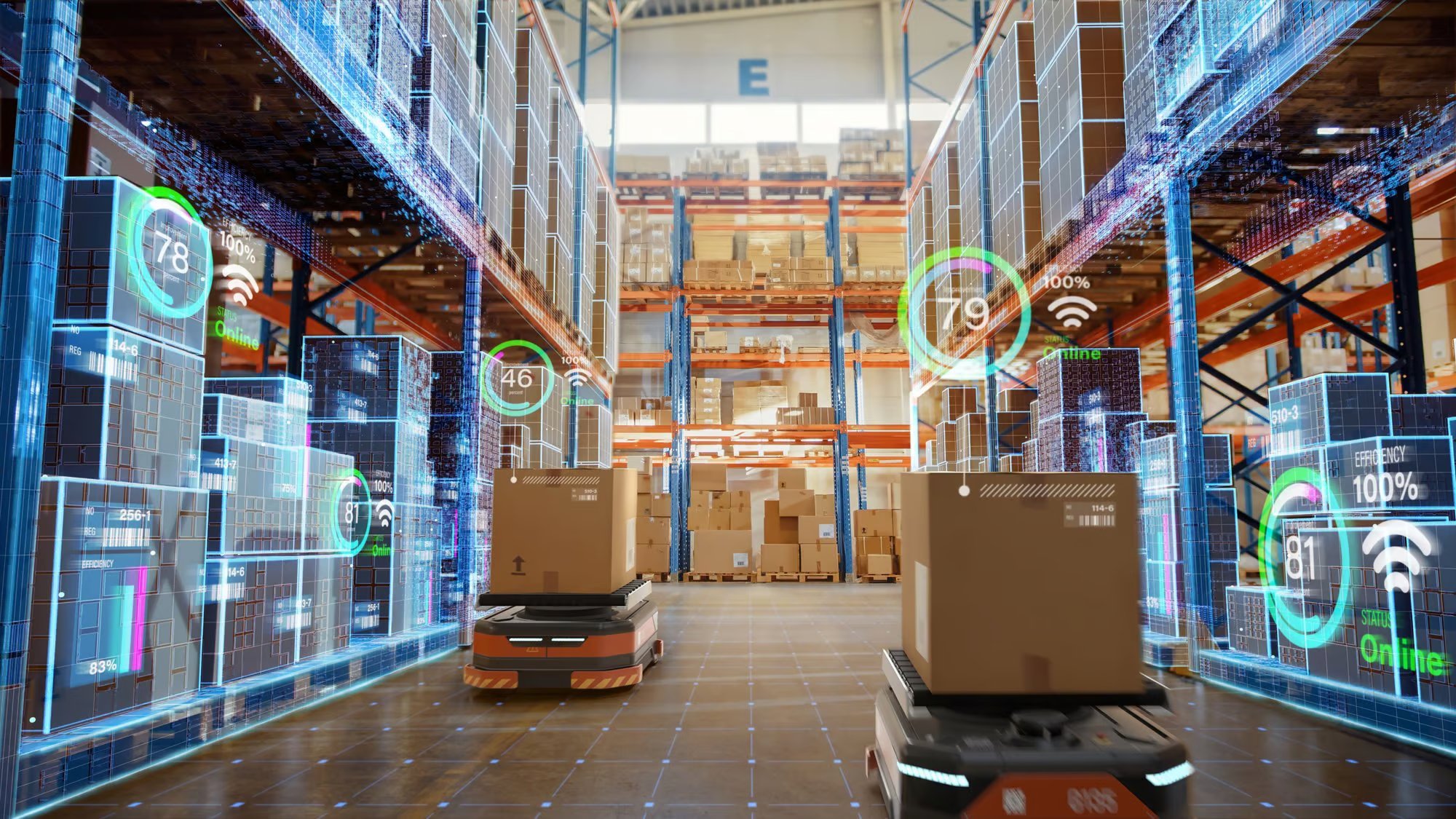
Image source: Getty Images.
Why is Symbotic so dependent on Walmart?
Walmart is Symbotic's largest customer and one of its top investors. The world's largest retailer accounted for 85% of its revenue in fiscal 2025 (which ended last September), driven by a long-term contract to automate all of its U.S. regional distribution centers through 2037.
Symbotic also acquired Walmart's own robotics division in early 2025, and the two companies have been co-developing automated micro-fulfillment systems for its brick-and-mortar stores. In other words, Symbotic wouldn't exist in its current form without Walmart's support.

NASDAQ: SYM
Key Data Points
How will Symbotic reduce its dependence on Walmart?
Symbotic is trying to reduce its dependence on Walmart with four strategies. First, it's expanding Greenbox, a warehouse-as-a-service joint venture it launched with its other major investor, SoftBank (SFTBY +1.18%), in 2023. Instead of selling large-scale supply chain automation systems to large enterprise clients, GreenBox gives smaller businesses access to Symbotic's robotic systems through cheaper usage-based and subscription-based plans.
Second, Symbotic signed contracts with other retailers, including Target and Albertsons; beverage distribution companies; and healthcare logistics providers. Third, it acquired smaller companies -- such as Fox Robotics and ARMS Innovations -- to expand its ecosystem and gain footholds in adjacent markets. Lastly, Symbotic is gradually expanding beyond North America into Asia and Europe.
Does Symbotic's dependence on Walmart make it a weak investment?
Symbotic's initial Master Automation Agreement (MAA) won't expire until 2037, which gives the company more than a decade to diversify its business. Walmart also won't abruptly end its relationship with Symbotic after the MAA ends, since it will still need the company to service its systems. Instead, it would likely expand that relationship or launch new automation projects.
From fiscal 2025 to fiscal 2028, analysts expect Symbotic's revenue and adjusted EBITDA (earnings before interest, taxes, depreciation, and amortization) to grow at CAGRs of 26% and 72%, respectively. Based on its true market cap (which includes its super-voting shares) of $24 billion, Symbotic still looks reasonably valued at less than seven times next year's sales. Therefore, it makes sense to buy Symbotic's stock today -- even if it depends on Walmart for most of its revenue.