Shares of Tilray Brands (TLRY +0.44%) rose significantly toward the end of last year on positive regulatory developments in the U.S. cannabis industry. However, this rally was short-lived. Tilray's stock reached $23.20, but shares are now changing hands for just under $5, not far from its 52-week low of $3.67. Let's find out what's going on with Tilray and where the stock might be headed next.
Investors don't have much faith
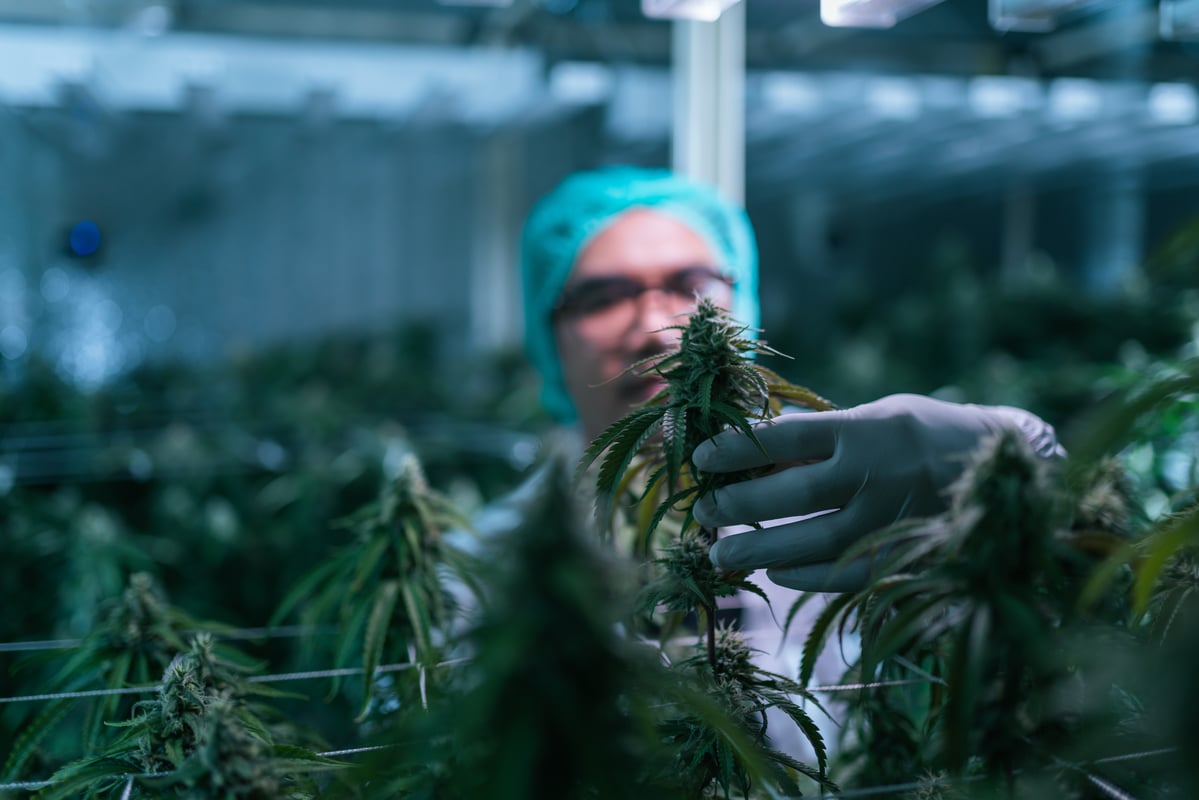
Earlier this year, the U.S. Federal Government moved medical marijuana products regulated at the state level -- as well as products approved by the U.S. Food and Drug Administration containing marijuana -- from Schedule I to Schedule III. This means that these products are now considered to be less prone to abuse than Schedule I and Schedule II substances, and are recognized as having some medical benefit, which should make medical research into marijuana easier.

Image source: Getty Images.
This was meaningful progress for Tilray and its peers, and the company is actively exploring ways to capitalize on it. The market, though, apparently doesn't think Tilray will meaningfully profit from this change; that's why the stock has moved south over the past year, despite its shares initially soaring on news of rescheduling.
Meanwhile, Tilray's financial results remain unimpressive. In the fourth quarter of its fiscal year 2026, which ended May 31, the company's revenue increased by 25% year over year to $281.7 million, but that was mostly due to the acquisition of selected assets from BrewDog, a U.K.-based craft brewer, which positively impacted its beverage segment.
Tilray paid $53.7 million in cash for this deal, which helped beverage revenue jump 61% year over year to $105.6 million. But the acquisition contributed $51.1 million in revenue during the period. Setting that $51.1 million aside, Tilray's beverage revenue actually declined by 17%, and its total revenue climbed by just under 3% during the quarter.
On the bottom line, Tilray's net loss per share of $0.43 was significantly better than the loss per share of $13.01 recorded in the year-ago period. But here again, there is more to the story. In the fourth quarter of last year, Tilray incurred significant impairment charges related to certain intangible assets. That's why the year-over-year comparison looks so good. Overall, Tilray's financial results remain mediocre.

NASDAQ: TLRY
Key Data Points
What's next for Tilray?
There was recently a hearing to discuss whether marijuana rescheduling in the U.S. should be broader (it would include recreational use for adults). This may open up an even larger opportunity for Tilray and its peers. But there is no guarantee that broader rescheduling will happen. So, it might not be wise for investors to buy shares of Tilray, hoping that there will be more regulatory progress in the cannabis industry in the U.S., and also that the company will succeed in carving out a niche in the market.
But what if things move in Tilray's favor and the government does reschedule recreational marijuana? Even then, the stock wouldn't be attractive. For one, placing cannabis in Schedule III wouldn't make the substance legal. It would remain highly regulated, and pot growers still wouldn't be able to transport it across state lines, significantly limiting their ability to serve customers across the U.S. Even without that restriction, Tilray would face significant challenges.
After all, recreational uses of cannabis for adults have been legal for years in Canada, but that hasn't made the company successful. Tilray faced stiff competition, stringent regulatory rules to obtain the proper authorization to grow and sell the substance, oversupply, an illegal market that still accounted for a meaningful share of sales, and other issues. Why think that Tilray will be significantly more successful in the U.S., even if cannabis becomes fully legal at the federal level? It might, but the facts hardly point us toward that conclusion. That's why investors should stay away from this stock.