Archer Aviation (ACHR +0.43%) is one of the biggest names in the fledgling market for electric vertical take-off and landing (eVTOL) aircraft. It and peer Joby Aviation are the leading U.S.-based players in the space, and could be positioned to score big wins if category demand takes flight.
While Archer's share price climbed as high as $14.62 in October 2025, it has since slumped back to the $5.50 range where it traded in late 2024, down roughly 62% from its 52-week high. After that steep sell-off, is the stock a worthwhile buy?
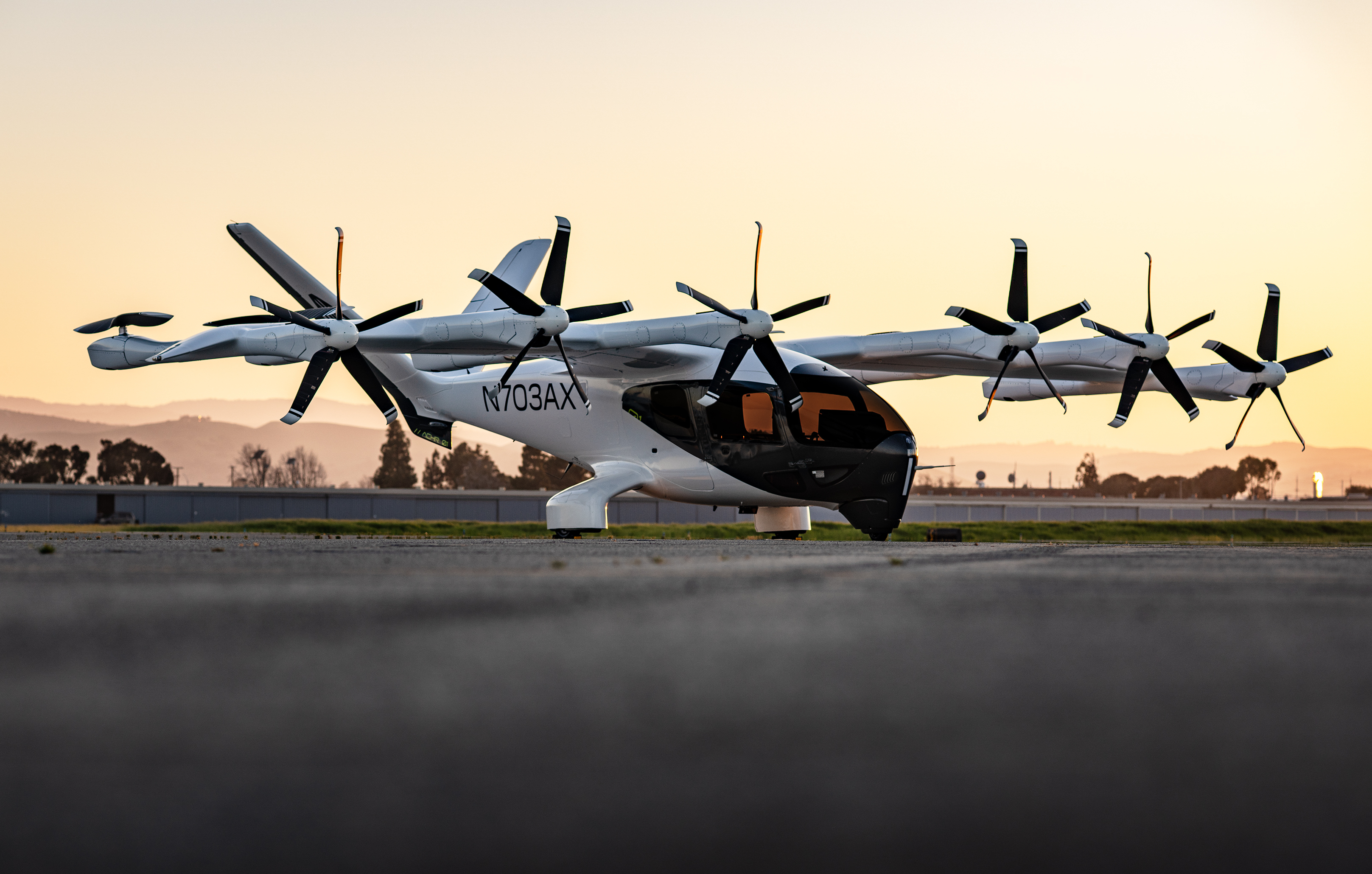
Image source: Getty Images.
Archer stock remains a high-risk, high-potential-reward play
As of this writing, Archer Aviation has a market capitalization of roughly $4.2 billion. However, it generated just $5 million in revenue in the second quarter. It also recorded a non-GAAP earnings before interest, taxes, depreciation, and amortization (EBITDA) loss of $177.1 million in the quarter, and management is guiding for an adjusted EBITDA loss of between $120 million and $170 million in the current quarter.
The good news is that Archer looks poised for a significant sales boost in the near future. The company is set to acquire Insitu from Boeing, and that defense-focused drone hardware and software business is generating roughly $200 million in annual sales. It's also recording profits. Along with Insitu, Archer is also acquiring two other Boeing subsidiaries: eVTOL specialist Wisk Aero and air-traffic management software specialist SkyGrid.
Archer will pay for those acquisitions in stock. With the eVTOL specialist set to give Boeing a 16.5% stake in itself through newly created shares, current shareholders are looking at a large amount of stock dilution.

NYSE: ACHR
Key Data Points
While the company ended the second quarter with roughly $1.56 billion in cash and equivalents on its books, its rate of cash burn makes it likely that Archer will continue to issue new shares in order to fund its operations. The company is still in the early stages of scaling up the manufacturing of its Midnight eVTOL, and research and development (R&D) spending will likely continue to be substantial due to the competitive nature of nascent markets.
While Insitu is posting net profits, Archer will still be recording substantial losses following the integration of the unit -- and investors should understand that they are likely to see substantial stock dilution over the next five years. Archer's Midnight eVTOL remains behind Joby's comparable air taxi in terms of aviation certifications, and achieving positive gross margins on its signature aircraft within the next half-decade is probably out of the question unless production through its partnership with Stellantis scales up rapidly.
On the other hand, Archer's investment and tech-sharing partnership with Boeing and its manufacturing partnership with Stellantis have strengthened the company's foundations, and its partnership with Anduril on hybrid VTOL aircraft for moving freight in defense and commercial applications has improved its growth outlook. Archer stock remains a risky bet given the uncertain economics of untested models and technologies, but the company's position in next-generation autonomous aviation tech could make it a worthwhile buy for investors with a high tolerance for risk.