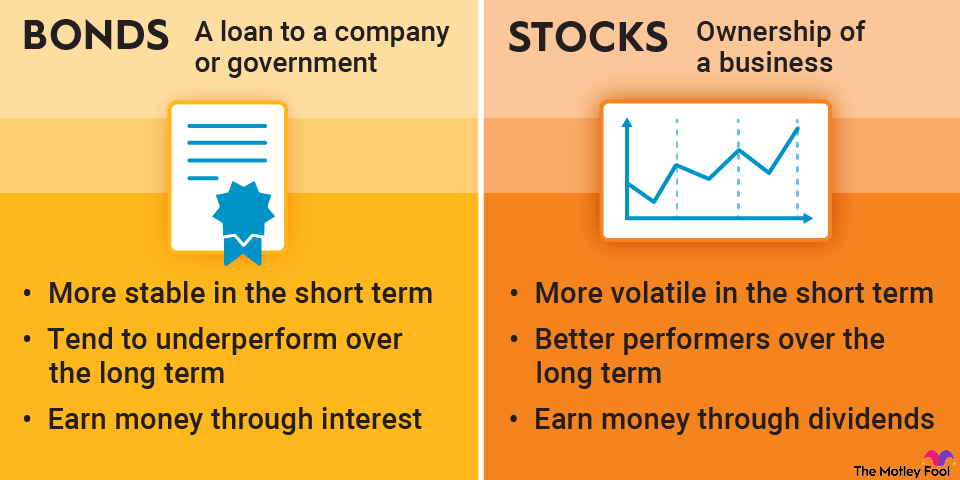
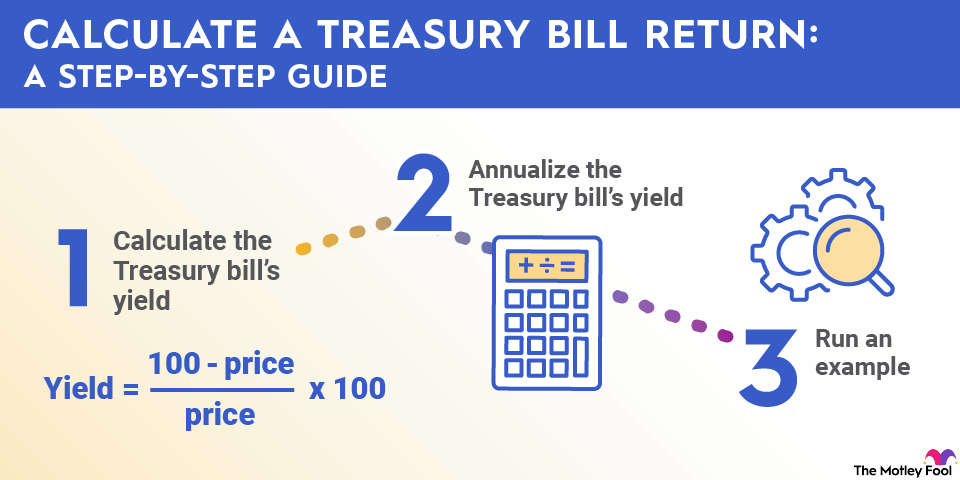
Loading paragraph...
Loading paragraph...

Image source: The Motley Fool.
Loading paragraph...
Loading paragraph...
Loading paragraph...
Loading paragraph...
Loading paragraph...
Loading paragraph...
Loading paragraph...
Pros | Cons |
|---|---|
Investors get a reliable income stream. | Unlike stocks, upside potential is limited. |
Credit ratings allow investors to choose the option best suited to their risk tolerance. | The bond market isn't always liquid. Some bonds aren't that easy to sell. |
Falling interest rates will lift bond prices. | If you own bonds, rising yields make them worth less. |
Loading paragraph...
Loading paragraph...
Loading paragraph...
Loading paragraph...
Loading faq...
About the Author

Jeremy Bowman has been a contributing Motley Fool stock market analyst, covering technology, consumer goods, and macroeconomic trends since 2011. Before The Motley Fool, Jeremy was a newspaper reporter, restaurant manager, and English teacher abroad. He holds a bachelor’s degree in English from Colorado College and a master’s degree in business administration from American University. One of his Motley Fool headlines was briefly featured on Late Night with Stephen Colbert.
The Motley Fool has a disclosure policy.