What to invest in during a recession
The best recession investments generally share a common trait: they hold their value because demand for what they sell doesn't disappear when the economy contracts. Here's where to focus:
- Index funds
- Consumer staples stocks
- Utilities stocks
- Healthcare stocks
- Dividend stocks
- U.S. Treasuries
Here's a little more about why each of these can be a good recession investment.
Index funds
S&P 500 index funds are one of the most reliable recession investments for long-term investors. By buying an index fund, you're effectively betting on the long-term success of American business, and over any extended period, that's been a bet that paid off.
Consumer staples stocks
Companies that sell everyday essentials -- groceries, household goods, personal care products -- tend to maintain revenue during recessions because demand for these products is largely non-negotiable. Procter & Gamble (PG -1.04%), Costco (COST +0.65%), and Kroger (KR -0.91%) are well-known examples of consumer staples stocks that have weathered the storm before.
Utilities stocks
Electric, water, and gas utilities are among the most defensive investments available. Consumers don't stop paying their power bills during a recession, so revenue remains relatively predictable. Utilities stocks also tend to pay consistent dividends, providing income even when share prices dip.
Healthcare stocks
People get sick regardless of economic conditions. Pharmaceutical companies, medical device makers, and health insurers all benefit from this non-discretionary demand. Johnson & Johnson, UnitedHealth Group, and Abbott Laboratories are among the sector's most financially durable names.
Dividend stocks
High-quality dividend stocks deserve special attention during recessions. Even when a stock's price falls, the dividend keeps paying, which cushions paper losses and reduces the pressure to sell at the wrong time. Companies that have maintained and grown their dividends through multiple recessions tend to be among the most financially resilient businesses available.
U.S. Treasury bonds
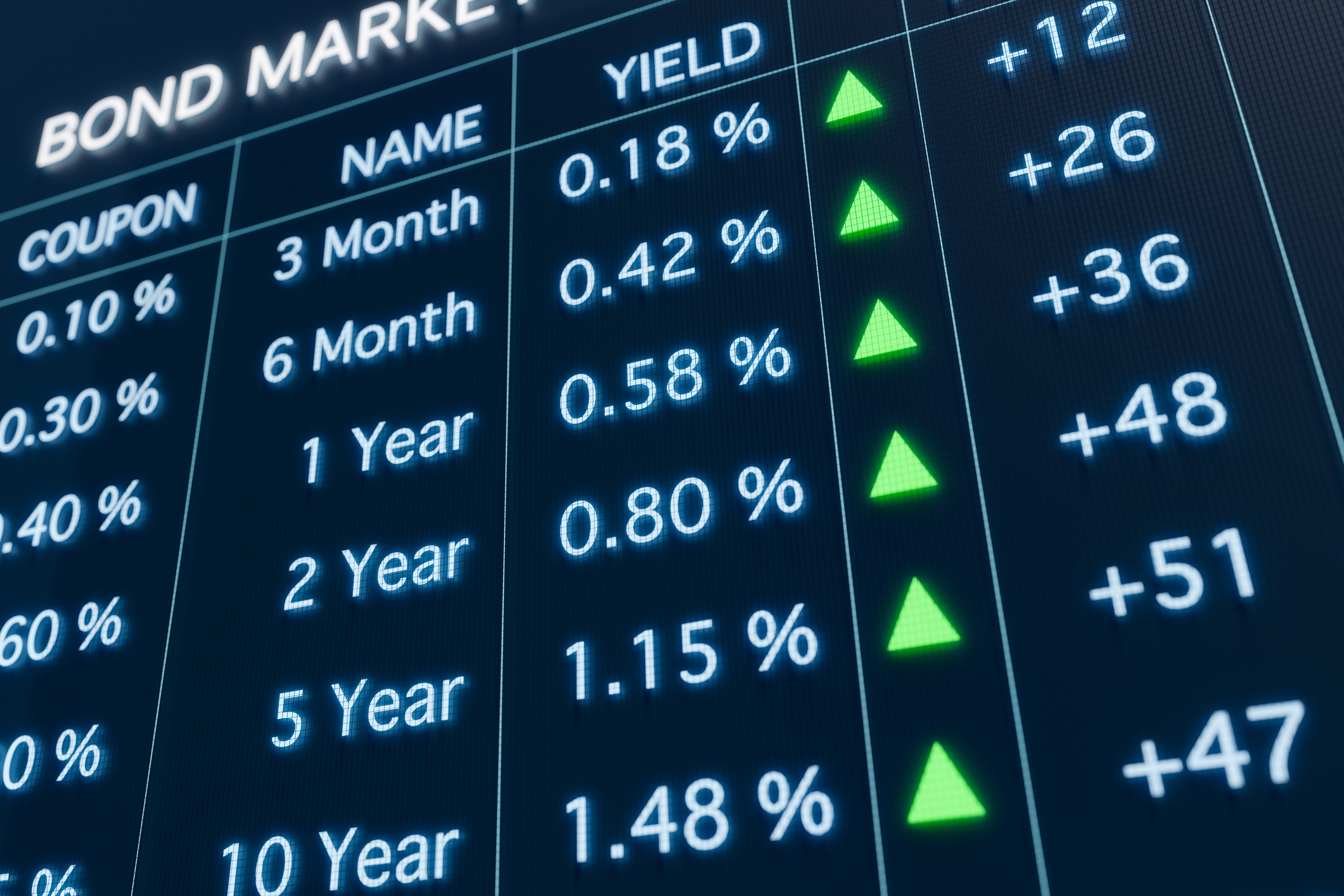
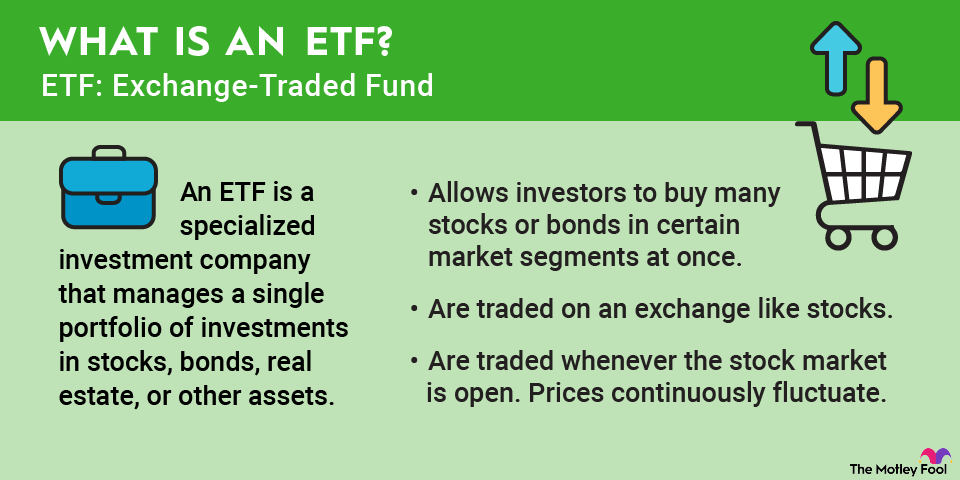
When economic uncertainty rises, investors flood into government bonds, pushing prices up. Treasuries, particularly longer-duration ones, have historically delivered strong returns during recessions, even as stocks fell. For most individual investors, a Treasury bond ETF is the simplest way to get this exposure.