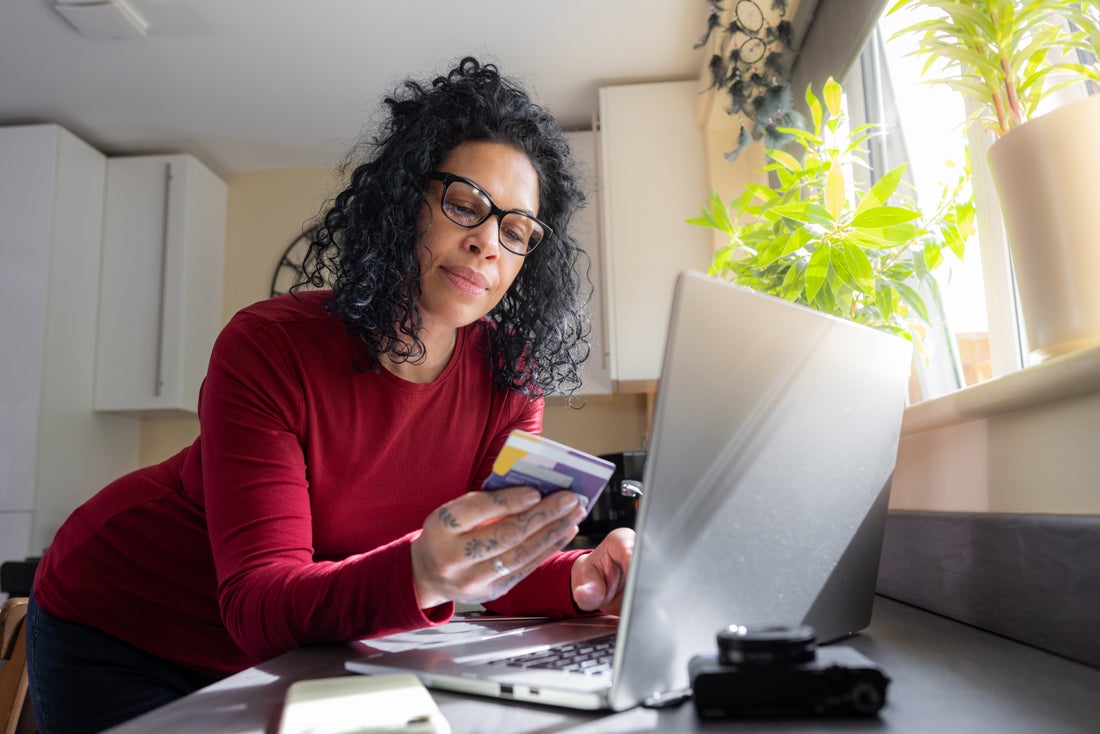
A few years back, my husband and I were hacked twice, within months of each other. Once, it was a scammer trying to gain access to our bank account, and the other involved one of our credit cards. Fortunately, I noticed both right away and notified our bank and credit card company. Once their respective fraud departments got involved, charges were reversed. However, to protect ourselves against identity theft, we put a freeze on our credit reports.
Freezing your credit is one of the surest ways to prevent further damage. Here are some of the other situations in which you should seriously consider a credit freeze.

Image source: Getty Images.
Lost or stolen wallet
If your wallet contains personal information (and whose doesn't?), you should freeze your credit immediately. Don't give anyone time to take on new credit in your name or use the cards you were carrying to make purchases.
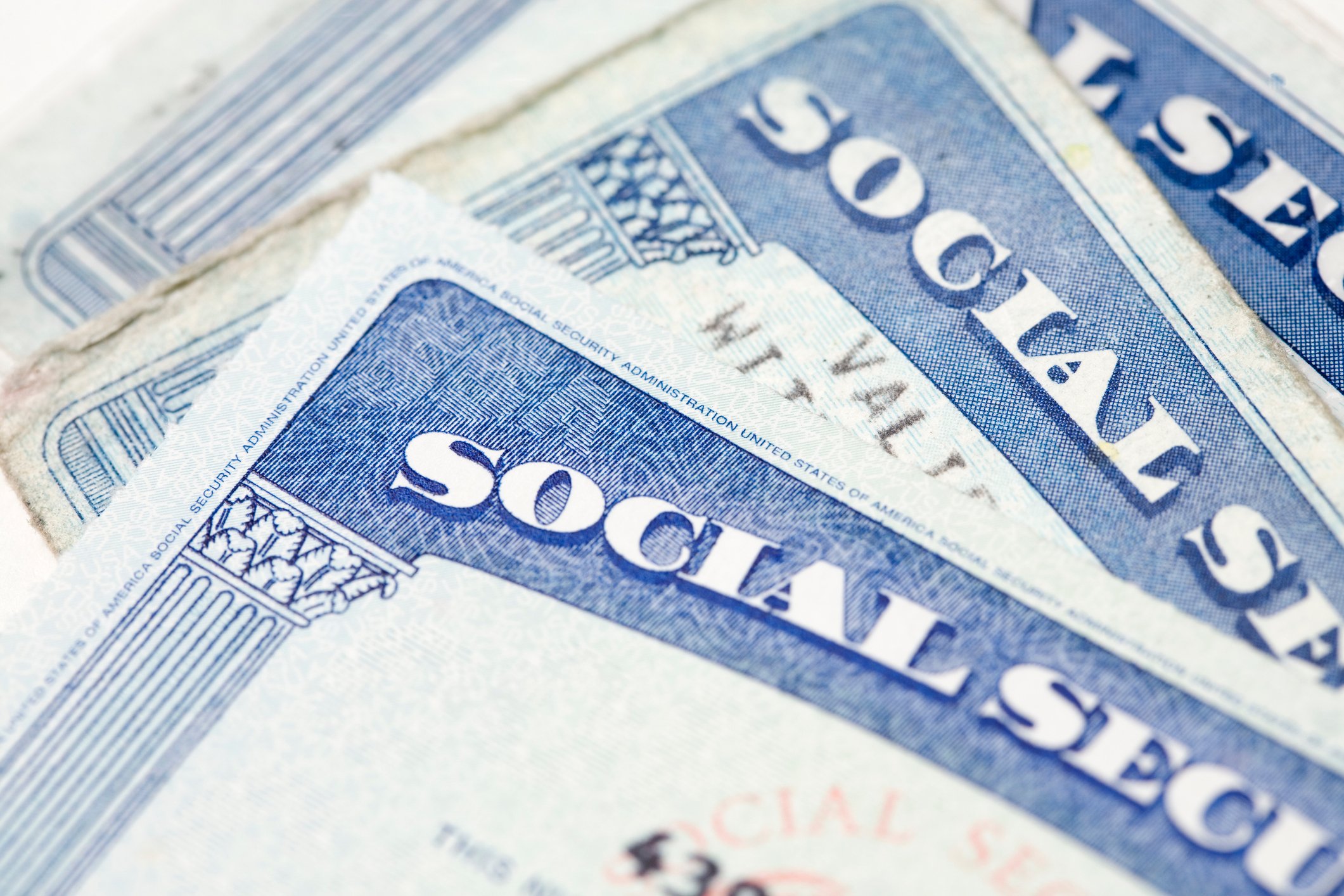
Note: The ease with which wallets can be stolen is another good reason to always leave your Social Security card at home. Your Social Security number gives crooks the key they need to do anything, from opening new bank accounts to buying a home.
Data breach
If your bank or credit card company notifies you that there's suspicious activity on your account that you don't recognize, immediately freeze your credit -- at least until you get things sorted out. And if you receive notification that your personal information was part of a widespread data breach (or might have been), consider freezing your credit.
Preventatively
If you have no plans to apply for new credit anytime soon, or you want to prevent someone from breaching your credit, freezing it will ensure no one else gains access. While it may feel like overkill to freeze your account before anything happens, it's the surest way to protect your income. Whether you're still working or collecting hard-earned Social Security benefits, the money is yours to protect.
What happens when you freeze your credit
Let's say someone manages to get their hands on your Social Security number or other personal information. Freezing your credit report means they can't take out new credit in your name. The following list represents the only parties that can legally access your credit report when the account is frozen:
- Credit reporting agencies themselves
- Federal, state, and local government agencies and courts (under specific circumstances)
- Companies that use the information to underwrite insurance
- Companies that use the information as part of background screening (for example, when a tenant applies for a rental property)
- Companies that use the information to screen potential employees
- Companies with whom you have a current account
- Collection agencies working on behalf of parties to whom you owe money
- Companies responsible for authenticating your identity
- Companies that want to make pre-approved credit or insurance offers (you can opt out of pre-approval offers by visiting www.optoutprescreen.com.)
Note: While hackers and scammers don't have access to your account when your credit is frozen, neither do creditors with whom you apply for credit. For example, if you need to finance a car or take out a personal loan, the lender can't check your credit report until it's been unfrozen. However, you should continue to order free copies of your credit report from the "big three" credit reporting bureaus, Equifax,TransUnion, and Experian, to ensure their accuracy.
Other steps to take
The best way to minimize any damage that bad players might inflict on your credit is to take the following steps if you're concerned it's been accessed:
- Contact your bank or credit card company: Allow their fraud department to investigate.
- Closely review your accounts: Look for any fraudulent withdrawals or charges. This means regularly reviewing checking, savings, credit card, and brokerage account statements each month.
- Open new accounts: If necessary, open a new bank account.
- Change your payment source: If you have automatic payments set up for any of your accounts, remember to update them with your new bank account information.
- Protect your future: Change passwords for all online accounts.
- Report the event: If you're sure an account has been compromised, report it to the Federal Trade Commission (FTC) and local law enforcement.
The truth is that crime isn't going anywhere. The best you can do is take steps to protect what's yours by carefully monitoring your accounts and reporting any transactions that seem off. Oh, and leave your Social Security card locked away at home.