If you're planning to retire in 2026, you've probably begun what should be a very joyous countdown. But it's important to do the right amount of last-minute planning before your career comes to an end.
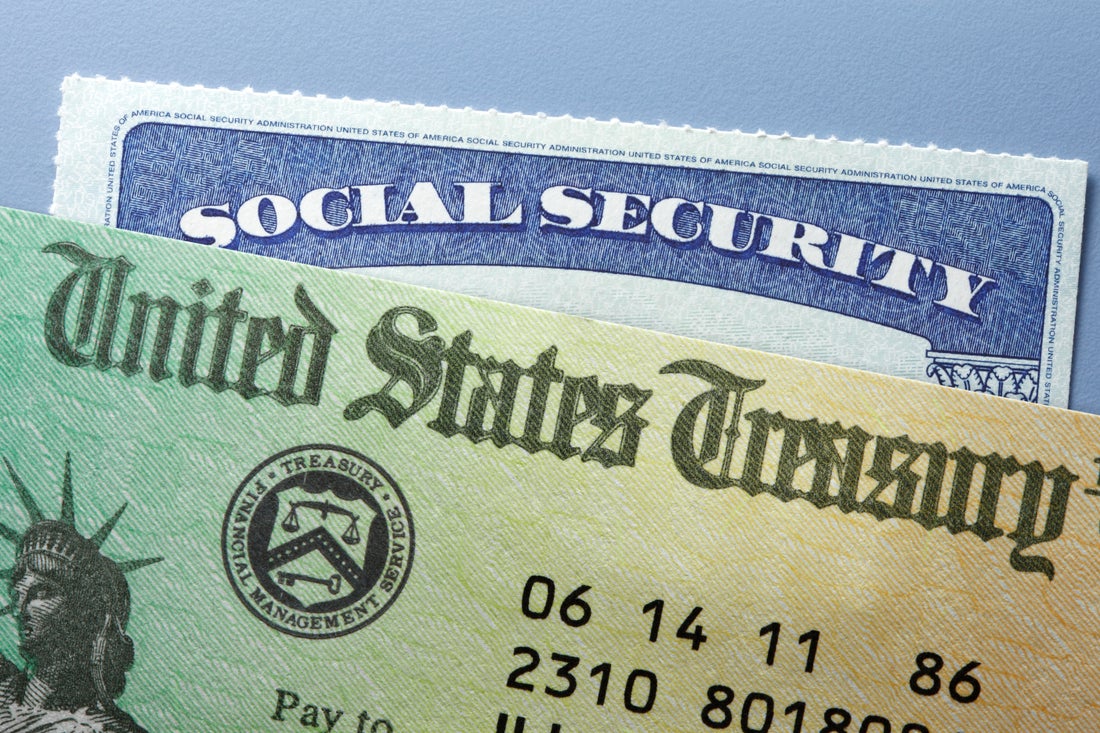
One important move, for example, is to figure out if you'll be claiming Social Security right away and find out what monthly benefit you're in line for. It's also a good idea to look into Medicare enrollment if you're old enough and will need health coverage after separating from your employer.

Image source: Getty Images.
Another key move is making sure your retirement portfolio is set up to do the job it needs to do in the coming years -- provide you with income to supplement your Social Security without exposing you to undue risk. With that in mind, here are three essential portfolio moves to make before January if you expect to retire in the new year.
1. Make sure you're not too invested in stocks
When you're in the process of building savings for retirement, it's a good idea to go heavy on stocks. Stocks can fuel your portfolio's growth when you're trying to accumulate wealth. And when you're years away from retirement, you can take on the risk that comes with going all-in on stocks, since you have time to ride out downturns.
But if you'll be retiring in 2026, you may be gearing up to start tapping your portfolio for income. That means you can't afford to go too heavy on stocks.
This doesn't mean you should ditch stocks in your portfolio completely. But it's a good idea to reduce your stock holdings so you're not overly exposed to the whims of the market.
The percentage of your portfolio you keep in stocks should hinge on your income needs and risk tolerance. Some people may feel comfortable keeping 60% of their retirement assets in stocks. But you may not be able to sleep at night if more than 30% of your portfolio is tied up in the stock market. You'll need to balance your appetite for risk with your portfolio income requirements.
2. Seek out income producers
If you'll be tapping your retirement portfolio on a regular basis for income, it's important to invest in assets that pay on a predictable basis. Growth stocks, for example, are a good way to score big gains in a portfolio during your wealth-building years. But growth-oriented companies, by nature, tend to invest in themselves, so they're generally not a good source of dividend income.
As retirement approaches, you may want to focus on income-producing assets like dividend stocks and ETFs or real estate investment trusts (REITs). And it's a good idea to invest in bonds, which are contractually obligated to pay interest.
Another thing you may specifically want to do this December is put some money into a certificate of deposit (CD) to lock in a strong rate. With interest rates predicted to keep falling in 2026, the sooner you open a CD, the more it might pay you.
3. Put some money into cash
When you're actively using your portfolio for income, it's important to have cash on hand to ride out a stock market downturn. The exact amount you decide on can hinge on your income needs and risk tolerance. But you may want to use two years' worth of cash as a starting point.
Of course, if you intend to continue working in retirement (perhaps by consulting a few hours a week in your former field) or have a very large Social Security benefit coming your way each month, you may feel comfortable having less cash on hand. But to protect yourself, aim for a minimum of 12 months' worth of expenses.
The weeks leading up to your retirement can be an exciting period of time. As you gear up for that next stage, make sure to tweak your portfolio so it's set up to meet your needs. That could mean rebalancing, loading up on income-generating assets, and protecting yourself with ample cash reserves.