Social Security benefits are an important income source for most seniors, but they're not a guaranteed income source. You don't get these benefits just because you hit retirement age. You have to earn them.
You gain access to Social Security benefits by paying Social Security tax. When you earn and pay taxes on a certain amount of income, you earn work credits. After you have earned 40 work credits, you become eligible for Social Security retirement checks.
So, how much do you need to earn in 2026 to get a work credit and stay on track to earn your benefits? Here's what you need to know.

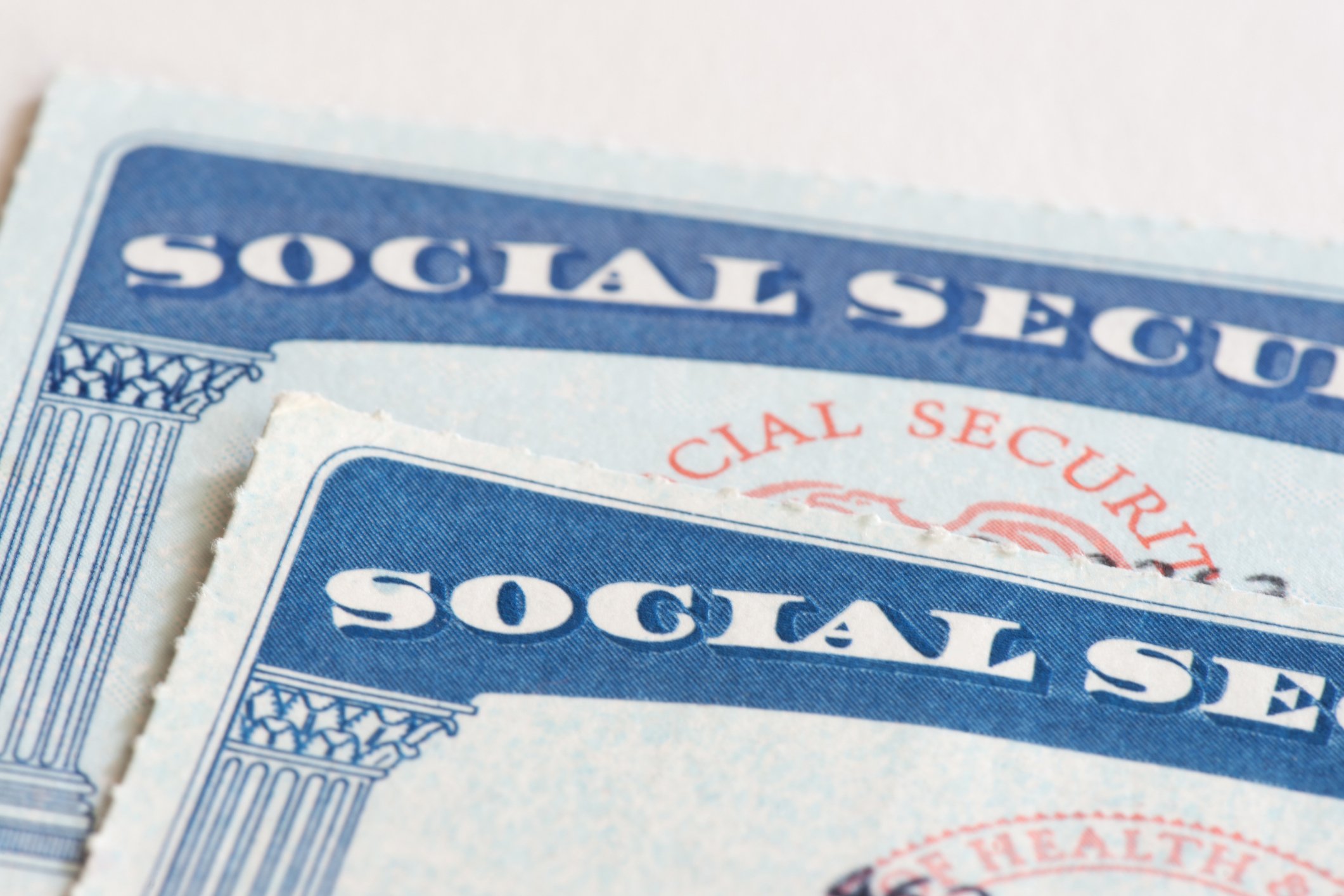
Image source: Getty Images.
This is how much you need to earn to qualify for Social Security
In 2026, you need to earn $1,890 in wages subject to Social Security tax to qualify for a work credit. This is up $80 from 2025. In 2025, you only had to earn $1,810 to earn a credit that counted toward the 40 that you need to become eligible for Social Security retirement benefits.
You're allowed to earn a maximum of four credits total per year. In 2025, you could earn the maximum credit by being paid $7,240. In 2026, you can earn the maximum four credits only if you're paid at least $7,560.
A difference of $320 may not seem like much. But if you're working a low-paying job or working part time and are on the border of being able to earn all your work credits, that extra $320 could be the difference between qualifying for Social Security and being ineligible for benefits on your own work record, especially if you're consistently earning only a small amount over the course of your working life.
You can check your earnings record on your mySocialSecurity account online to see how much income you have paid into Social Security each year of your career and to confirm whether you're on track to earn enough to get Social Security payments as a senior.
Be aware that the amount of wages needed for a work credit will also change over time due to inflation. The required amount of earnings increases each year, so if your income is close to the current year's minimum, you'll need to make sure you understand annual changes and keep up-to-date on whether you're on the path to qualify for benefits. This can be an important part of your retirement planning process.
What if you don't earn enough to get benefits?
What can you do if you're working part-time or not working enough to get benefits?
If you're married, you may be able to claim your Social Security on your spouse's work history instead of your own. If your spouse passes away before you, survivor benefits could also provide you with Social Security income based on their work record.
These spousal and survivor benefits are also available to you if you're divorced but your marriage lasted at least 10 years.
You can also make sure to put plenty of money into a 401(k) or other retirement plan, so you have income from other sources if you end up not being able to get Social Security.
If you aren't earning much, your ability to contribute to these kinds of retirement plans may be limited. However, if your spouse is making money and you're staying at home, you may be able to contribute to spousal retirement plans to ensure you're provided for when you get older.
Other Social Security benefits programs are also worth considering that are not earned benefits, such as the Supplemental Security Income (SSI) program, which you could potentially qualify for if you're elderly or disabled. No work credits are required for SSI, so if a medical issue is preventing you from working and earning enough to get Social Security retirement checks, this alternative is worth looking into.
Ultimately, if you can work enough to earn Social Security work credits and qualify for benefits, you should likely try. If you can't for some reason, be sure you have some plan for how to support yourself without this important income source in your old age.