Taking advantage of accounts like 401(k)s, 403(b)s, and traditional IRAs is a win-win. On one hand, it's a way to actively save and invest for retirement. On the other, you'll receive a tax break while doing it. With these types of accounts, the tax break is upfront, allowing you to deduct your contributions from your taxable income for the year.
In return for the upfront tax break, you must pay taxes on withdrawals from these accounts in retirement. To ensure that people don't avoid making withdrawals, the IRS enforces required minimum distributions (RMDs) that begin the year you turn 73.
As the name suggests, these withdrawals aren't optional, and failing to do so will result in penalties. Luckily, if you make this mistake, there are a couple of ways to make amends.
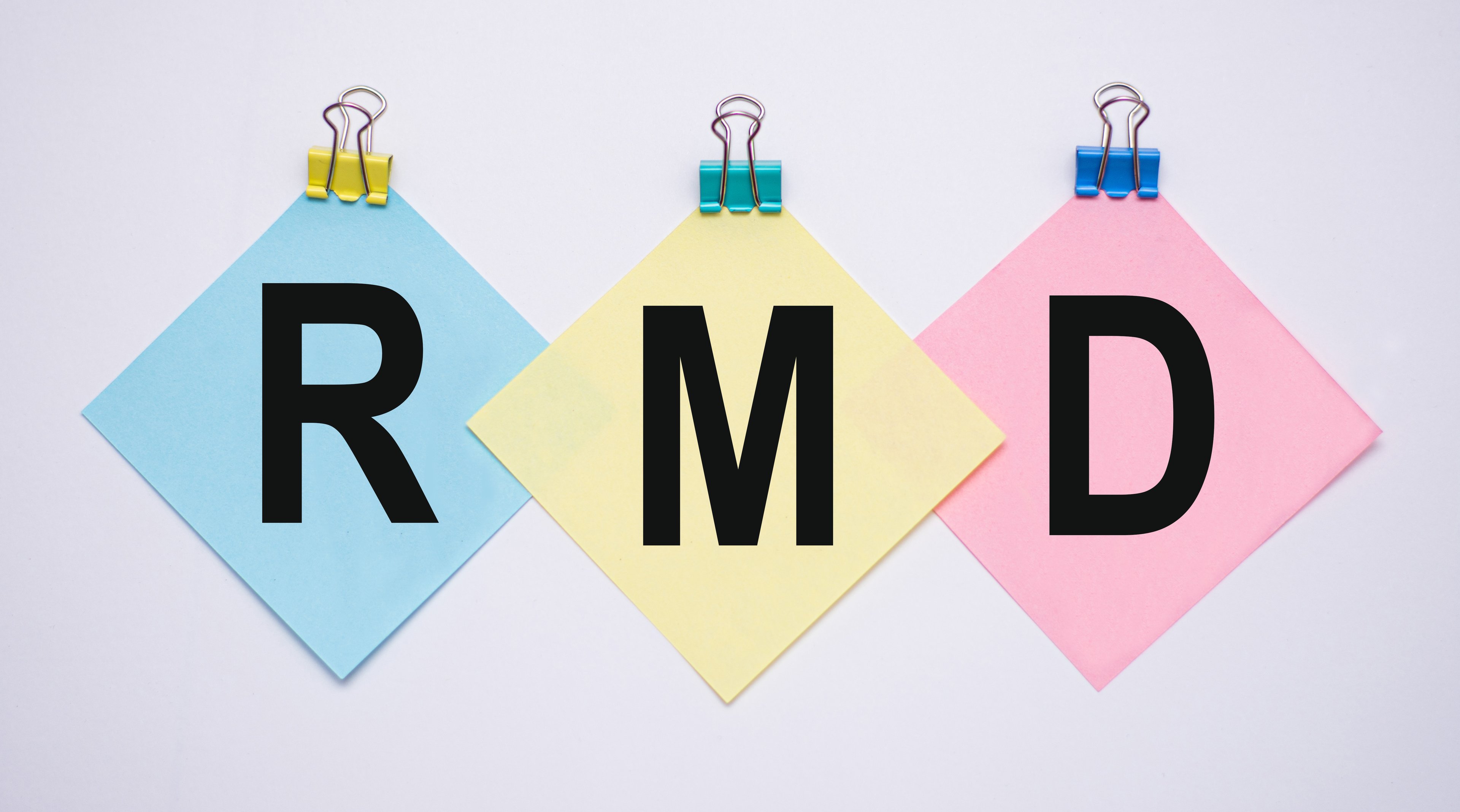
Image source: Getty Images.
What happens if you fail to take your RMD?
Failing to take your RMD will result in a 25% penalty on the amount you failed to withdraw. For example, if you were supposed to withdraw $30,000 one year and only withdrew $10,000, your penalty would be 25% of the remaining $20,000 ($5,000).
Although you should always aim to take your RMDs to avoid penalties, if you happen to forget, you can possibly have your penalty reduced to 10% if the mistake is corrected within two years. In the above example, this would mean owing $2,000 instead of $5,000.
How to fix a missed RMD
There are two ways to correct a missed RMD: the Self-Correction Program (SCP) or the Voluntary Correction Program (VCP).
The SCP allows you to fix the mistake without contacting the IRS. Although it allows you to correct the distribution, the penalty can't be waived by going this route. The VCP allows you to request a waiver (Form 14568-H) to avoid the penalty. It's a more formal route than the SCP.
For an individual who forgets to take RMDs (like from a traditional IRA), you'll need to make the appropriate withdrawal and file Form 5329, requesting a "reasonable cause" waiver and attaching a letter explaining your reason for not taking the withdrawal. An acceptable excuse would be a medical issue, a banking issue, the death of an immediate family member, or other similar events. However, it's worth noting that the IRS will determine "reasonable cause" on a case-by-case basis.