A lot of people dream of building large retirement nest eggs only for life to end up getting in the way of that goal. Case in point: Fidelity reports that as of last year, the average baby boomer had $249,300 saved in a 401(k). Those who've chosen IRAs as their retirement vehicle have an average of $257,002 in those accounts.
What if you end up in a similar boat? To make life easier, let's round the average boomer's retirement savings today to $250,000. Now let's explore what life might look like based on that level of savings.

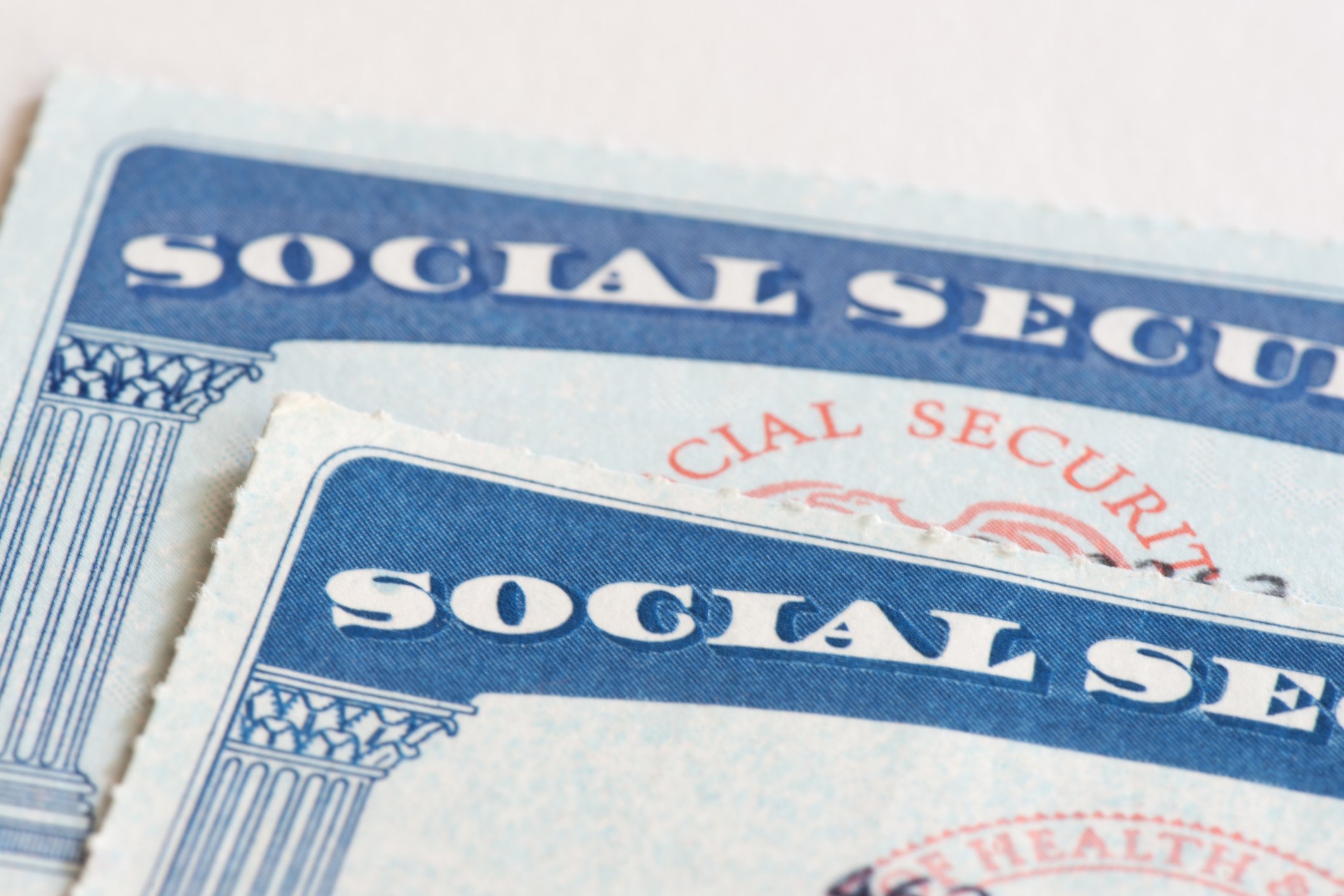
Image source: Getty Images.
Money may be manageable but tight
A $250,000 nest egg could provide you with an annual income of $10,000 if you apply a 4% withdrawal rate to your savings, which many financial experts agree is a safe bet, provided you're retiring at a traditional age and have a fairly even mix of stocks and bonds.
Meanwhile, if we take the average $2,071 Social Security benefit today and multiply it by 12, we get close to $25,000. Adding $10,000 from savings, that brings us to an annual income of $35,000, or around $2,900 a month.
Is that enough? It depends on you.
If you have no mortgage, low property taxes, and generally small expenses, you may be able to cover your costs on that income. But here's what there probably won't be room for:
- Travel (other than perhaps to visit with family or friends)
- Entertainment you have to pay for (other than perhaps some streaming services)
- Surprise home or car repairs (which could arise at any time)
This list could go on and on. The point is that while a $250,000 nest egg is better than none, it may not buy you a comfortable lifestyle once you're done working. So you may want to aim higher and take steps to boost your retirement savings.
How to grow your nest egg
If you're still working, it means you have different opportunities to grow your retirement savings. Some strategies to explore include:
- Claiming your full match each year in your 401(k) plan
- Saving your raise each year before you get used to spending it
- Checking your investments regularly and making sure they're age-appropriate (for example, investing heavily in stocks when you're younger)
- Reviewing the costs of your investments and swapping expensive funds in your 401(k) for ones with lower fees
Retiring with $250,000 could mean having to cut corners in a serious way. It pays to aim higher if you don't want to be forced to make a lot of sacrifices after a long career.