There are many reasons to dislike rising inflation, as we're seeing right now. It makes everyday goods more expensive, which means you have less money to save for long-term goals or spend on things you enjoy. And that can create stress about your finances and your future.
You may also worry about what high inflation could mean for your investments. Some decide to invest more conservatively to avoid potential market volatility. But if you do this, you might not get the returns you were expecting. However, there's one type of investment specifically designed to protect you against inflation that's worth checking into.

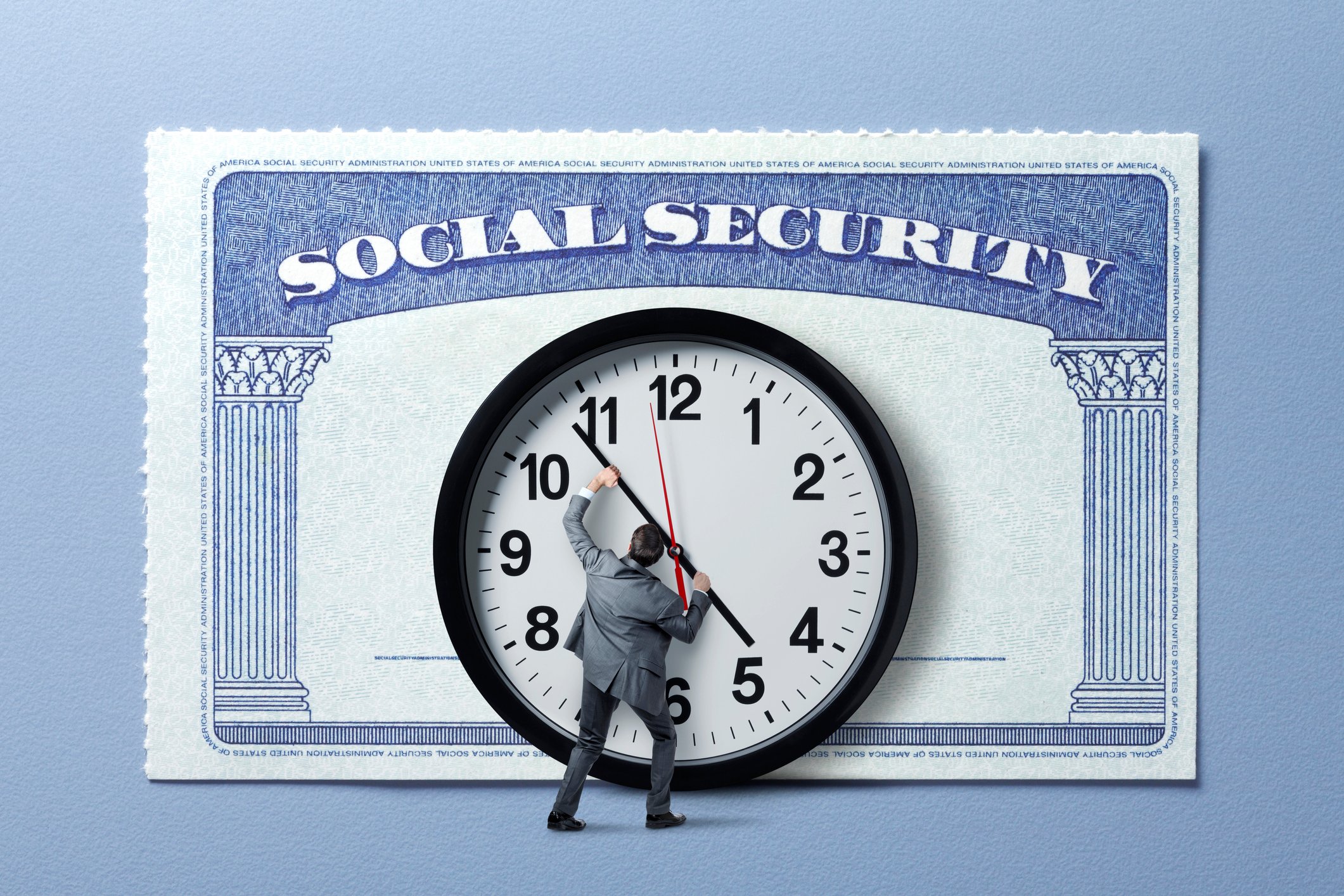
Image source: Getty Images.
Consider adding I-bonds to your portfolio
I-bonds are federally backed savings bonds designed to protect your purchasing power over time. They're low-risk investments with both fixed and variable interest rate components. The Treasury Department updates both elements in May and November each year.
The fixed-rate component, currently 0.90%, remains the same for the life of the I-bond, which is 20 to 30 years. The variable-rate component changes every six months. Currently, it's 3.36%, giving new I-bonds a total interest rate of 4.26% until November.
I-bonds could be a great fit for you if you're worried about rising inflation. If inflation increases over the next several months, you'll likely see the interest rates on your I-bonds increase in November, whereas a typical bond usually has a fixed interest rate that remains unchanged until it matures.
If you purchase a traditional bond now and inflation later increases bond yields, you'll either be locked in at that lower rate or you may have to sell the bond at a discount. This could leave you with less money than you were hoping for.
What you should know before investing in I-bonds
There are some rules you should know before you add I-bonds to your portfolio. First, you're limited to a maximum of $10,000 in electronic I-bonds per year per Social Security number, and the minimum bond you can buy is $25.
You can't sell these bonds. Your only option is to redeem it with the U.S. Treasury, which you can't do until you've held it for at least one year. If you cash in the bond less than five years after you've bought it, you lose the last three months of interest payments. So these bonds may not be a good fit for you if you're looking for a short-term investment.
You don't have to pay state or local income taxes on I-bond earnings, and you can choose whether to pay federal income taxes on your earnings annually or wait until redemption. If you use the earnings for higher education expenses, you won't pay federal income taxes on them either.
Finally, because I-bond interest rates change, there's no way to determine the bonds' future value. Even in the best-case scenario, you'll probably earn a lower interest rate than you would by investing in a diversified stock portfolio over the same period.
Weigh the pros and cons of I-bonds before deciding whether they're right for you. Don't rush into it. If you decide it's a good fit, you can purchase these bonds through the Treasury Direct website.