It's no stretch to say that the Social Security Administration (SSA) has its work cut out for it. With roughly 71 million Americans receiving Social Security benefits, mistakes can go unnoticed. That's why it's so important that you double-check the amount you're receiving -- or the amount the SSA says you'll receive once you've claimed benefits.
Here's a quick look at why errors happen and what you can do to ensure your Social Security benefits are accurate.
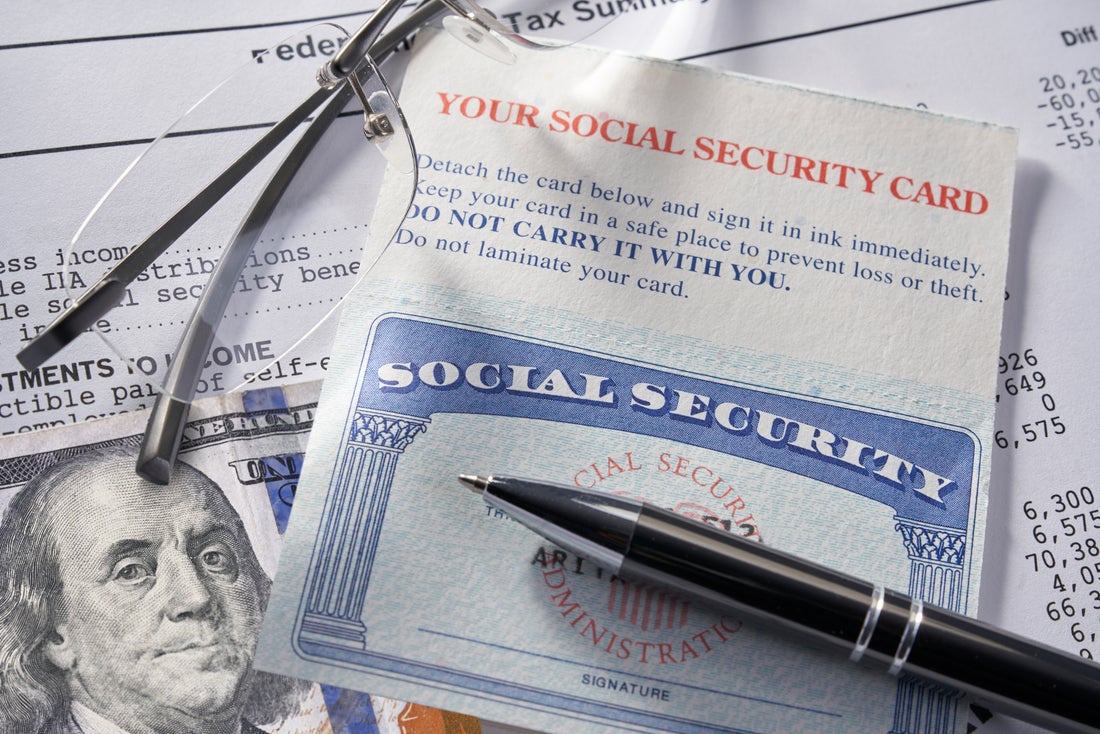
Image source: Getty Images.
What could go wrong
Processing 71 million benefits per month is no easy task. While the SSA strives to get everything right, mistakes can (and do) occur. Once you understand the reason why, it's easier to know what you need to do to keep the SSA on track.
Here are three of the most common reasons things go wrong:
- Data entry errors
- Incorrect or missing earnings records
- Unreported name changes
Log in to SSA
The SSA uses a specific formula to determine how much you're owed in benefits. If the information it has about you is incorrect, it can easily affect the amount you receive. Fortunately, there are steps you can take to ensure it's all fair and square. Here's what you need to do:
Create or log in to your my Social Security account at ssa.gov, then navigate to "Review your full earnings record." Once there, look for:
- Missing years: Make sure all the years you've worked are listed.
- Incorrect earnings: Verify earnings match your tax records or W-2 forms.
- Self-employment income: Don't overlook any self-employment income you've paid taxes on.
What to do if you find a mistake
You may be able to request a correction to your earnings record online if you have a "my Social Security" account. Or you can contact the SSA at 1-800-772-1213 (TTY 1-800-325-0778). Before you call, gather information that can back up your claim, such as W-2 forms, pay stubs, or any other documents that will bolster your case.
The SSA typically accepts corrections for earnings within three years, three months, and 15 days from the end of the taxable year in question. However, that doesn't necessarily mean you're out of luck if you need help with an older issue. If that's the case, the SSA may just require you to provide additional documentation.
If you're not happy with the results
In the event the SSA disagrees with your claim of an error, you have a right to appeal. As you go through the appeals process, keep detailed records, including:
- Copies of all correspondence between you and the SSA
- Notes from any phone calls made, including date, time, and the representative's name
- All supporting documents, including tax returns, award letters, and W-2s
- Payment records and benefit statements
Ideally, you've kept track of your earnings throughout the years, but if not, don't worry. The easiest way to get a copy of the years you need is by logging on to your online IRS account. There, you can view, print, or download your tax transcripts.
Whether you're planning for retirement or already retired, it pays to ensure you're receiving all the benefits you're entitled to.