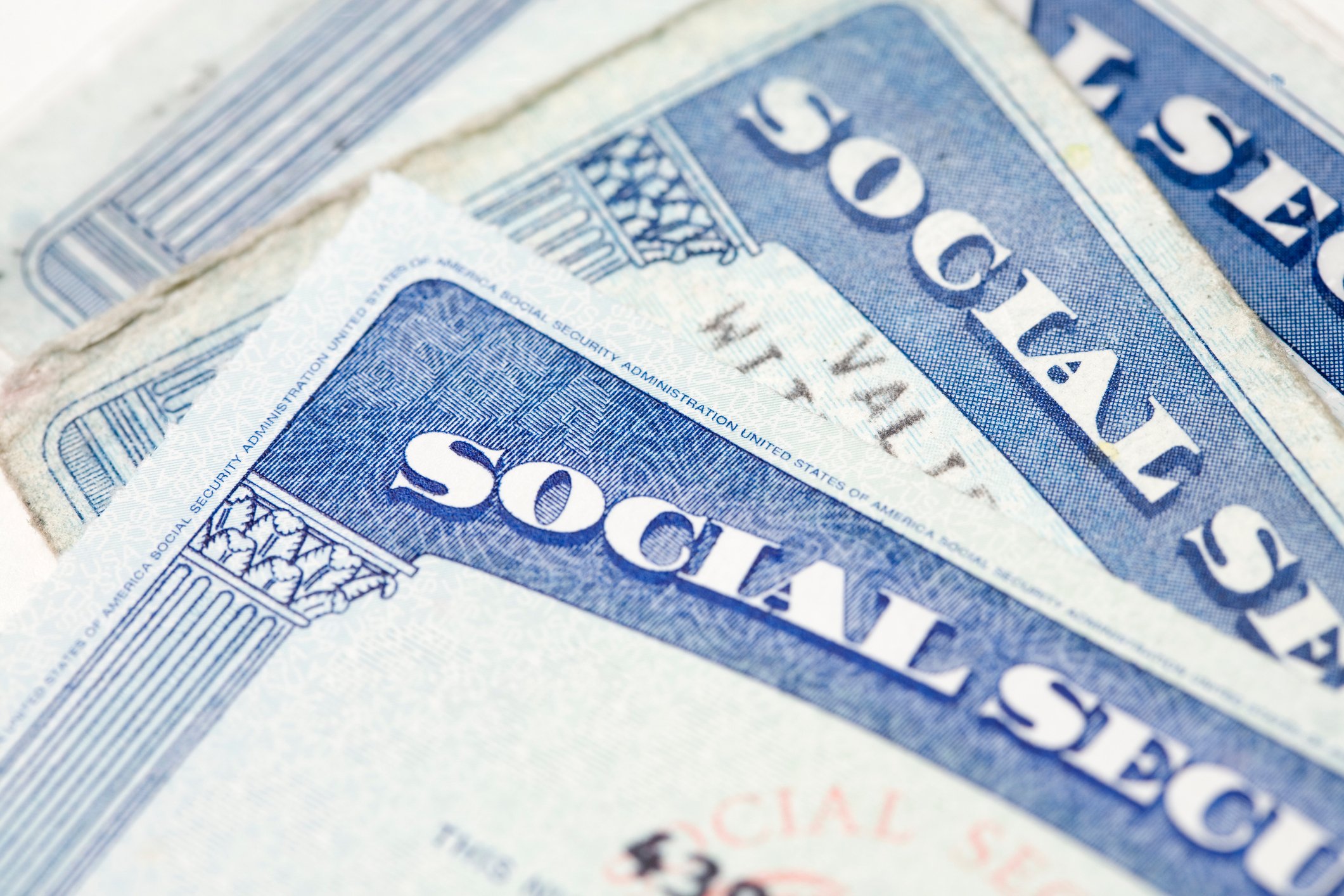
With inflation driving up costs, it can feel like your Social Security benefit is shrinking even when it's staying the same. So it can be downright alarming when those checks that you count on start getting smaller out of the blue.
It's more common than you imagine, and there could be several reasons for it. There may have been a clerical error, or the government might be garnishing your benefits for unpaid debts. But there's another, more common reason that can derail your budget if you're not prepared.

Image source: Getty Images.
There's a little-known limit on early Social Security claimers
You become eligible to claim Social Security at 62, but you're considered an early claimer if you sign up then. This reduces the size of your monthly benefits by up to 30%, and you're at risk of losing even more money to the earnings test if you're still working.
The earnings test withholds money from your checks if you earn too much from your job during the year. In 2026, you lose $1 for every $2 you earn over $24,480 if you're under your full retirement age (FRA) -- 67 for those born in 1960 or later -- all year. Those who will reach their FRA in 2026 lose only $1 for every $3 they earn over $65,160 if they earn this much before their birth month.
For some high earners, this rule could cost entire months of benefits. That could force them to rely more upon income from their jobs or to reduce their monthly spending to avoid debt. Fortunately, you don't lose that money for good.
When you reach your FRA, the Social Security Administration will increase your benefit. The size of the increase will depend on how much you lost to the earnings test in years past. The more you've had withheld, the bigger the boost you'll get.
The earnings test no longer applies at your FRA, so you can make as much money from your job as you want going forward, and it won't directly affect your checks. However, a high income could put you at risk of owing Social Security benefit taxes.
What to do if you think you'll encounter the earnings test
There are a few ways to approach the situation if you think the earnings test could be a problem for you. The first is to delay Social Security until you either retire or reach your FRA to avoid the earnings test altogether. This will also increase your benefits, so when you apply, you'll get more per month. But it means you won't have any benefits to supplement your income today.
Depending on your job, you could also try keeping your income low to avoid triggering the earnings test. For example, you might be able to transition to part-time work to keep your income below the thresholds above.
You could also just accept that the earnings test might take some of your money now. Adjust your budget accordingly and reach out to the Social Security Administration with any questions. Then wait for your benefits to increase once you reach your FRA.