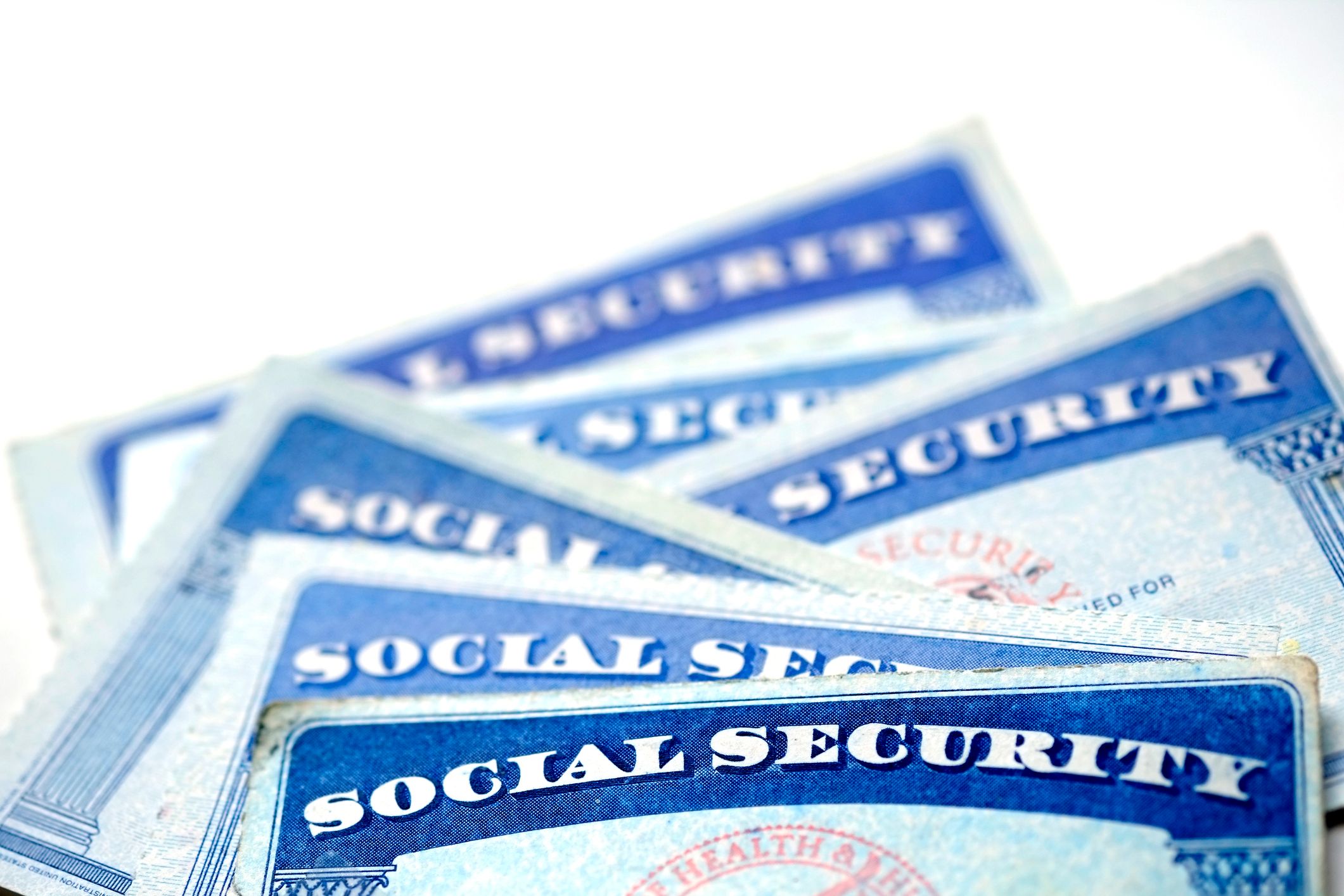
Millions of Americans are set to receive three benefit checks from the Social Security Administration in July, and no, it's not a clerical error. It's the result of a rare payment scheduling event that happens only a few times per year.
If you're one of the 2.5 million affected seniors, you unfortunately won't be getting more money than you're used to. But you'll want to pay attention to the payment timeline so you know how long you'll need to stretch your savings.

Image source: Getty Images.
Most Social Security beneficiaries can expect their checks on the second, third, or fourth Wednesday in July, depending on their birth date. But the payment schedule looks different for those on Supplemental Security Income (SSI).
These benefits are available to blind, disabled, and low-income seniors to help them supplement their regular Social Security checks. These payments generally go out on the first of each month. But this is where the schedule gets a little tricky.
If the first of the month falls on a weekend or a federal holiday, the SSI payment occurs on the last business day before the first, and that's what's happening in July. The July SSI payment will go out as scheduled on the first. Then your regular Social Security payment will follow on its normal day.
This would normally be the third of the month for SSI beneficiaries. But since July 3 is a holiday this year, with July 4 being a Saturday, SSI beneficiaries will receive their Social Security checks on July 2 instead.
Then, because Aug. 1, 2026, is a Saturday, August SSI payments will go out on July 31 instead. You won't get another SSI payment until September, so make sure you budget accordingly to make that money last.