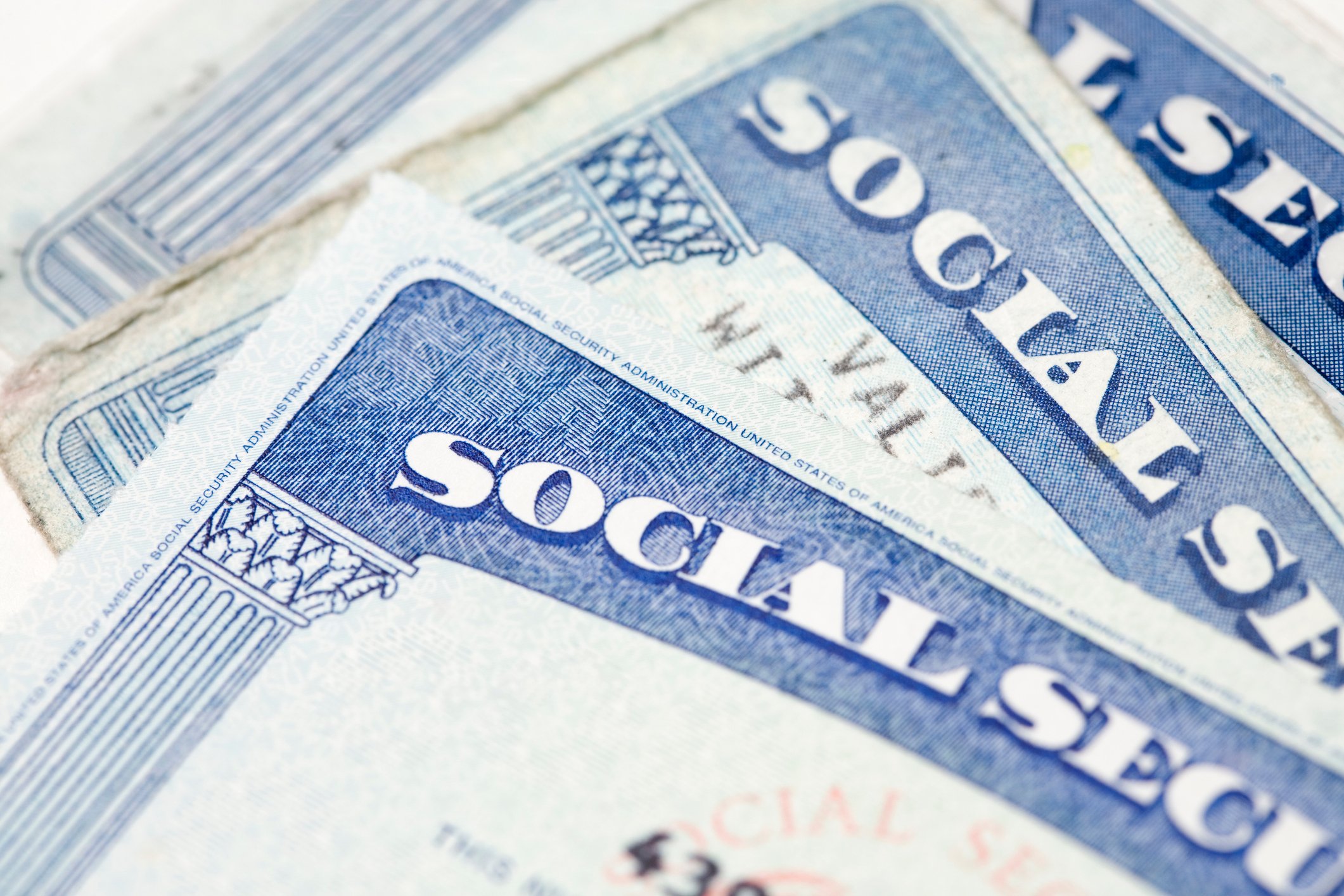
While Social Security is generally associated with retirement or disability, it isn't solely for older adults; it also applies to children. Social Security children's benefits are meant to provide financial support to children whose parents are retired, disabled, or deceased.
As of July, there were 731,000 children receiving children of retired workers benefits, 894,000 receiving children of disabled workers benefits, and 1.98 million receiving children of deceased workers benefits. If you're considering applying, here are three things to know.

Image source: Getty Images.
1. Who is eligible to receive Social Security children's benefits
To qualify for Social Security children's benefits, a child must be unmarried and check one of the following boxes:
- Younger than 18: They automatically qualify if they meet the dependency requirements.
- Ages 18 to 19: They can receive benefits if they're a full-time student (up to 12th grade), but benefits stop once they graduate or two months after they turn 19, whichever happens first.
- Disabled: They can receive benefits into adulthood if they have a disability that began before they turned 22.
Biological children automatically meet dependency requirements, but they also apply to adopted children, stepchildren, and dependents of grandparents.
2. How much children can receive in benefits
The amount an adult receives in benefits by claiming at their full retirement age is called their primary insurance amount (PIA).
If a child is receiving benefits from a retired or disabled parent, they can receive up to 50% of the parent's PIA. If they're receiving benefits based on a deceased parent, they can receive up to 75% of the deceased parent's PIA.
For instance, if the primary parent's PIA is $2,000, a child could receive up to $1,000 if they're claiming children of retired workers or children of disabled workers benefits, and up to $1,500 if that parent passes away and they're claiming children of deceased workers benefits.
3. There's a family maximum to benefits allowed
The reason there's an "up to" when discussing how much a child can receive is that Social Security has a "family maximum" rule. Currently, Social Security caps how much a single family can receive in benefits based on a single person's work record at around 150% to 180% of that person's PIA.
For example, if the primary earner's PIA is $2,000, the most the family could receive collectively would be around $3,000 to $3,600. This includes children's benefits and spousal benefits. So there could be a case where the amount that family members receive exceeds the limit, which could stop a child from receiving the full 50% of a parent's PIA.