Retirement is a period many people plan for. And part of that planning should involve reading up on what to expect from your post-working years.
The more you learn about retirement, the less likely you may be to fall victim to problematic myths. These three in particular could derail your finances, so it's important not to buy into them.

Image source: Getty Images.
1. Your spending will shrink substantially once you stop working
You'll often hear that your spending should decline quite a lot once your career comes to an end. But when you think about it carefully, that logic doesn't make much sense.
It's true that the costs associated with having a job should go away. But what about all of your other bills? If your home isn't paid off, you'll have to cover a mortgage. Then there's utilities, food, car insurance, and all of that fun stuff.
Plus, in the absence of a job, you'll have more hours to fill. That could mean spending extra money on things like entertainment and streaming services. Plan accordingly, and create a budget ahead of retirement so you know what your spending needs look like.
2. Social Security will cover all of your costs
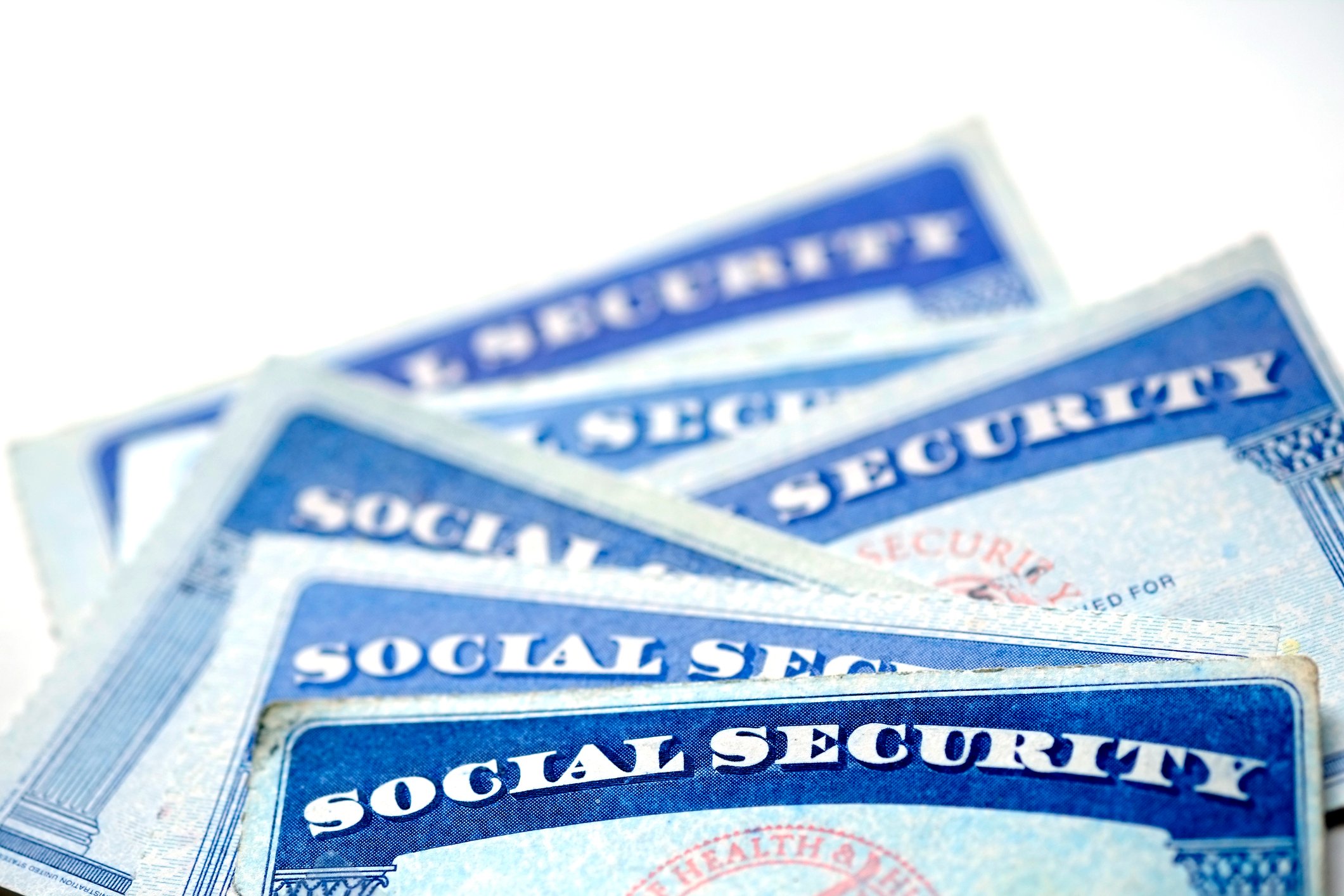
You might assume that you don't need to save much for retirement when there's Social Security to fall back on. But those monthly benefits might only replace about 40% of your pre-retirement income if you earn an average paycheck.
As we just established, your spending needs in retirement may not drop all that much. So it's important to have income on top of Social Security to rely on. The sooner you begin saving, the easier it should be to accumulate a nest egg that supports your future expenses.
3. Medicare will cover all of your healthcare needs
You might assume that Medicare will pay for all of your medical care once you enroll. In reality, there are many services Medicare doesn't cover. It won't pay for dental cleanings, eye exams, or hearing aids. It also won't pick up the tab for long-term care.
Plus, you could face coinsurance and deductibles for costs Medicare actually does cover. To avoid financial stress, make sure to factor those expenses into your budget.
You may also want to use a health savings account (HSA) to sock funds away for future healthcare expenses if you have insurance that's compatible with one of these accounts. If you're on a high-deductible plan, it's worth checking for HSA eligibility.
Having the right information could make the transition into retirement easier once you're ready to take that leap. And part of that means knowing what mistruths not to buy into.