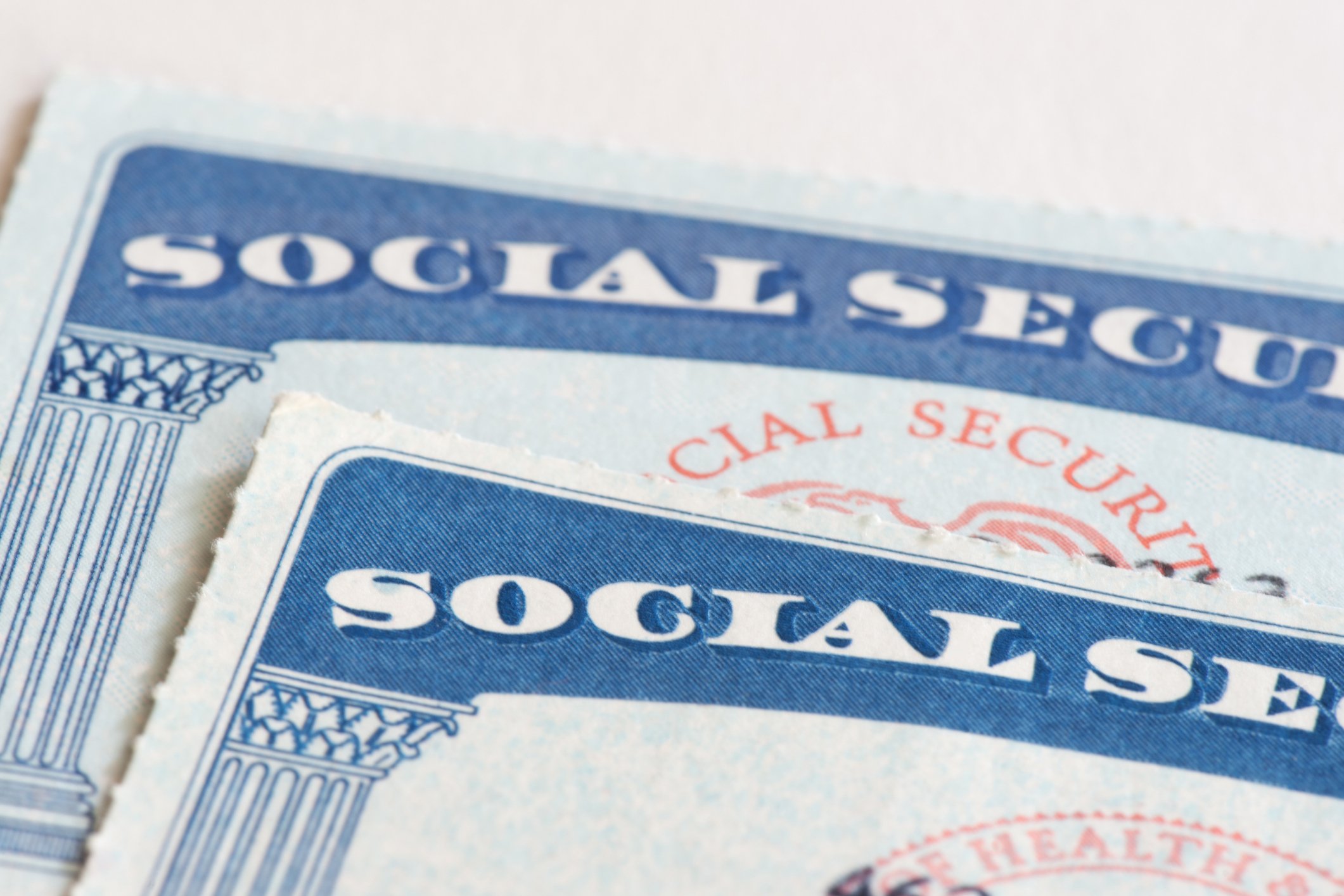
At age 60, you're not eligible to claim Social Security retirement benefits, but you've probably started thinking about when you plan to sign up. You may already have a claiming age in mind, or you might not be sure yet. That's OK.
In either case, it helps to understand the following three things now, so you can make sure you're choosing the optimal claiming age for you.

Image source: Getty Images.
How your claiming age affects your benefits
You probably already know that you can claim Social Security at any point after you turn 62, but if you want the full benefit you've earned based on your work history, you must wait until you reach your full retirement age (FRA) -- 67 for most people today -- before you apply.
Claiming before this age reduces your checks by up to 30%, and this reduction is generally permanent. Every month you wait to apply for Social Security, your benefits increase a little until you qualify for your largest checks at age 70.
The right claiming age for you depends on your finances and life expectancy. You may have to sign up early if you cannot afford to cover your expenses any other way. You might also choose to do so to get more money from the program if you have a short life expectancy. But if you can afford to delay and expect an average or above-average lifespan, delaying your application could yield a larger lifetime benefit.
When you become eligible to apply
Those hoping to sign up as soon as they become eligible at 62 should note that they likely won't be able to claim checks for their birth month. You may only claim benefits if you're 62 for the entire month, and the Social Security Administration only considers you 62 for your birth month if you were born on the 1st or 2nd. If you were born on any other day, you'll have to wait until the next month to begin receiving checks.
You should also bear in mind that checks don't go out until the month after the month they're due, and sometimes not until the fourth Wednesday. So it's possible you may not see your first check until well after your 62nd birthday. Prepare for this and have a plan for covering your remaining expenses in the meantime.
How continuing to work will affect your benefits
The Social Security benefit formula in effect when you turn 60 is the one the government will use to calculate your benefits. Working beyond this age often works in your favor, especially if you're earning more now than in the past.
Your benefit is based on your average monthly earnings over your 35 highest-earning years. Continuing to work could push lower-earning years out of your benefit calculation, resulting in larger checks.
If you have any questions about how your work history or claiming age could specifically affect your benefits, contact the Social Security Administration to learn more. You can do this over the phone or by making an appointment at your local Social Security office.