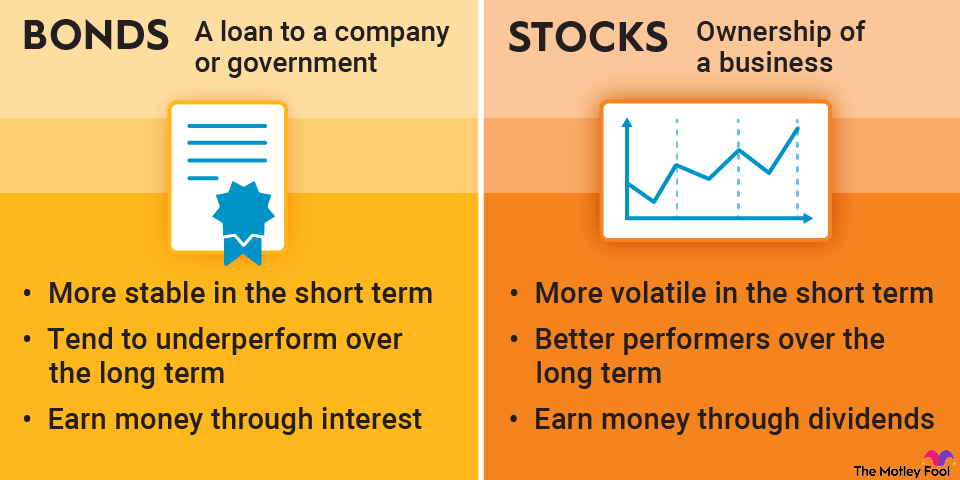
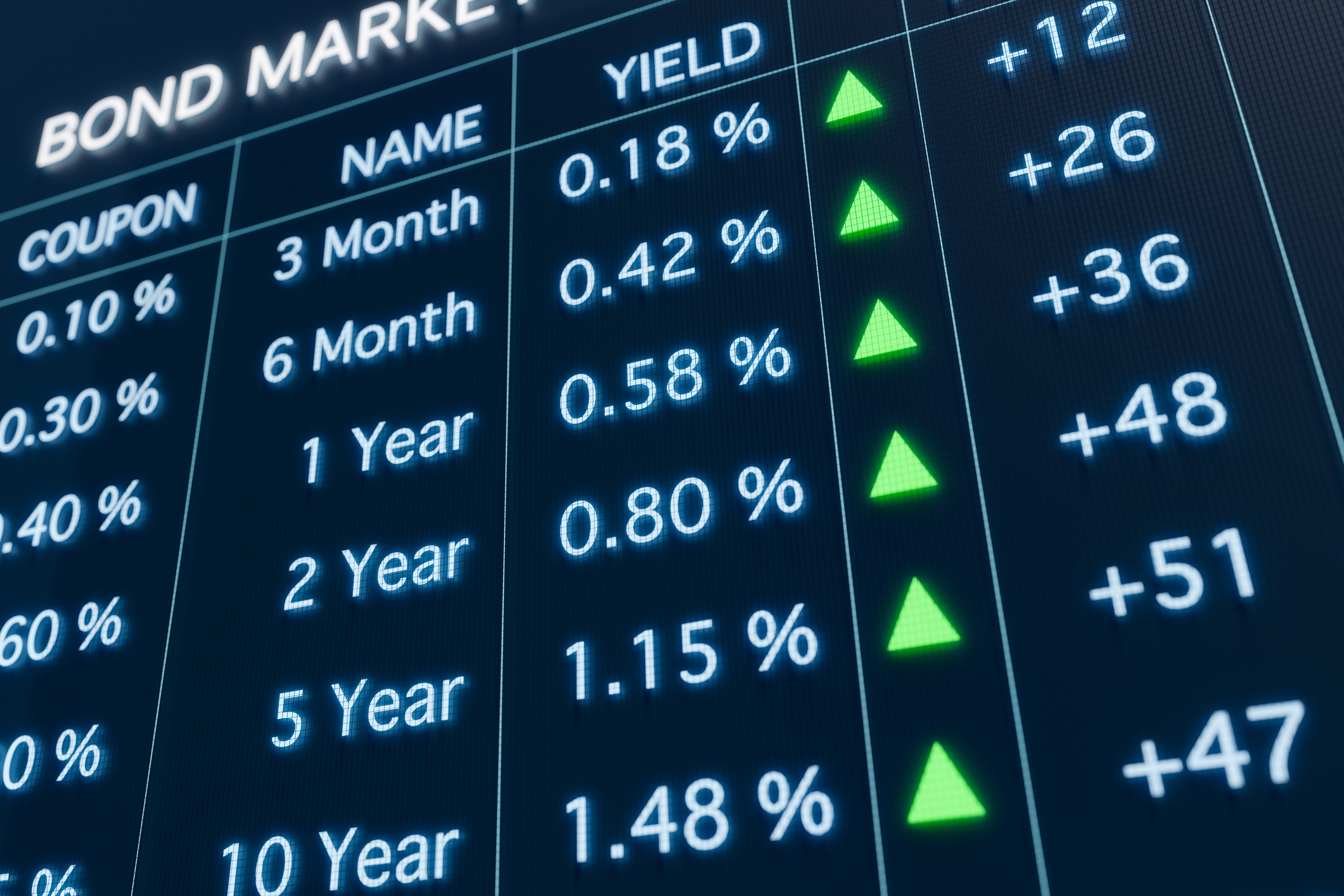
A bond is a debt instrument issued by a government or corporation to raise money. Investors who buy bonds receive a fixed return based on the bond's interest rate. Most of us are used to borrowing money in some capacity, whether it's mortgaging our homes or asking a friend for a few bucks. Similarly, companies, municipalities, and the federal government borrow money, and they use bonds to do it.
How bonds work
Bonds are a way for an organization to raise money. Let's say your town is seeking investments. In exchange, it promises to pay back investments with interest over a specified period of time.
For example, you might buy a 10-year, $10,000 bond paying 3% interest. In exchange, your town pays you interest on that $10,000 every six months and returns your $10,000 after 10 years.
How to make money from bonds
There are a few ways to make money by investing in bonds:
- Hold bonds until their maturity dates and collect interest payments on them. Bond interest is usually paid twice a year.
- Buy zero-coupon bonds and hold until the maturity dates. This type of bond is sold at a discount to its face value, so you receive more than what you paid when the bond matures.
- Sell bonds at a price higher than you initially paid.
Bond prices can fluctuate, allowing bond traders to make a profit. They normally rise if either the bond issuer's credit rating improves, indicating it's more likely to repay the bond, or if interest rates on newly issued bonds decrease.
Interest rates and bond prices tend to move in opposite directions. If rates increase, prices for existing bonds are likely to fall because they offer lower rates than newly issued bonds.
Investing in bond funds
Bond funds take money from many investors and pool it for a fund manager to handle. Usually, this means the fund manager uses the money to buy an assortment of individual bonds. Investing in bond funds is even safer than owning individual bonds.
Types of bonds
Bonds come in a variety of forms, each with its own set of benefits and drawbacks:
- Corporate bonds: These tend to offer higher interest rates than other types of bonds, but the companies that issue them are more likely to default than government entities.
- Municipal bonds: Also called "muni bonds" or simply "munis," these are issued by states, cities, and other local government entities to finance public projects or offer public services.
- Treasury bonds: Nicknamed T-bonds, these are issued by the U.S. government. Because there's no risk of default, these bonds don't have to offer the same (higher) interest rates as corporate bonds.
How to buy bonds
To buy bonds, use a broker that offers bond trading. Most bonds trade over the counter, and several online brokers allow you to invest in them. Bond brokers normally also have tools you can use to search for bonds based on the features you want. Once you know which bonds you want to buy, you can place your orders.
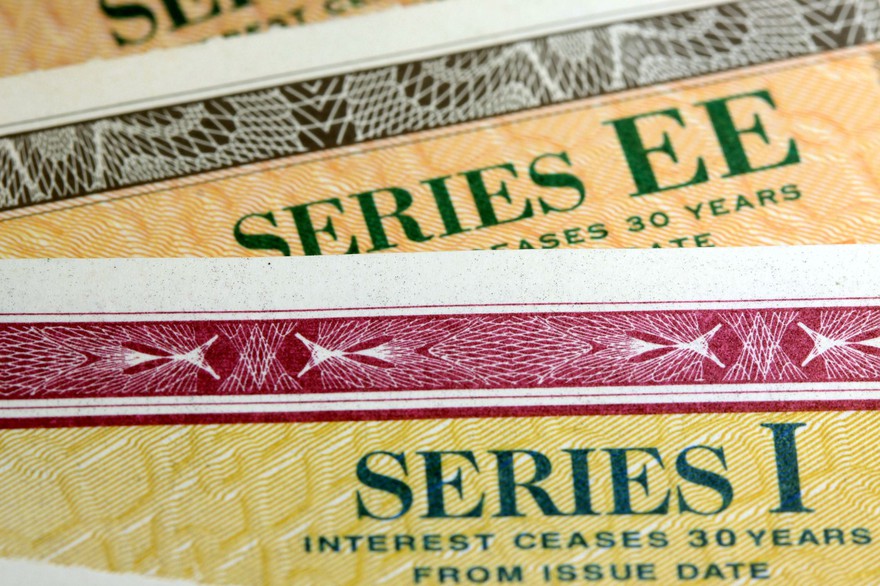
Treasury bonds work differently. You can buy those directly from the U.S. government at the TreasuryDirect site without going through a middleman.
Pros and cons of investing in bonds
Pros:
- Safety: Bonds are a relatively safe investment, as their values don't fluctuate as much as stock prices.
- Income: Bonds offer a predictable income stream, paying you a fixed amount of interest twice a year.
- Community: When you invest in a municipal bond, you might help improve a local school system, build a hospital, or develop a public park.
- Diversification: Investing in bonds helps diversify your portfolio. Stocks tend to outperform bonds over long periods of time, but having a mix of asses reduces risk.
Cons:
- Less cash: Bonds require you to lock your money away for extended periods of time.
- Interest rate risk: If rates rise after you invest in bonds, then your bonds drop in value. Holding on to them will mean getting stuck with the lower rate and smaller earnings.
- Issuer default: This is uncommon, but if an issuer defaults on its obligations, you risk losing out on interest payments, getting your principal repaid, or both.
- Transparency: There's less transparency in the bond market than in the stock market, so brokers can sometimes get away with charging higher prices.
- Smaller returns: The return on investment with bonds is substantially less than what you might get with stocks, particularly the kinds of returns the best stocks deliver.
How to choose bonds
Here are the main factors to consider when choosing bonds to buy:
- Security: You can get an idea of a bond's safety from its credit rating. Treasuries don't have credit ratings but are the safest choice, since they're backed by the federal government.
- Yield: Check both the annual percentage yield (APY) and the total amount you'll make over the life of the bond.
- Term: Decide your bond duration. Longer bonds provide more stability but also carry more interest rate risk.
- Tax implications: Treasuries and municipal bonds both offer tax benefits that can reduce your tax liability.
Strategies for bond investing
Popular strategies to get the most out of bonds include:
- Bond ladder: Buy a series of bonds with staggered maturity dates, such as one-year, two-year, and three-year bonds. Bond laddering reduces interest rate risk. If rates rise, you can reinvest when one of your bonds matures.
- Bond barbell: Divide your money between short-term and long-term bonds. Short-term bonds provide flexibility, while long-term bonds generally have higher yields. With bond barbelling, you get the benefits of both.
- Bond bullet: Buy multiple bonds that mature around the same time. A bond bullet works well if you have a major expense coming up, such as a home purchase or college tuition for your children. You can safely earn interest and structure your portfolio so that your bonds mature when you need the money.
The cost of buying bonds
Bond brokers may charge a markup on the price of a bond, meaning they charge more than they paid. Some brokers also charge a commission, normally a flat fee, on bond trades.
Markups and commissions lower your overall returns from your bond portfolio. A 0.5% markup on a five-year bond effectively lowers your returns by 0.1% per year.
If you sell bonds instead of waiting for them to mature, the broker may also charge a markdown. A markdown is when a broker offers a lower price for your bond than it plans to sell the bond for.
Should you invest in bonds?
It makes sense to buy bonds when you want a fixed-income investment or need to reduce risk and volatility in your portfolio. Here are some situations when investing in bonds could be a good choice:
- You're near retirement or already retired. You may not have the time to ride out stock market downturns. In that case, bonds are a safer place for your money.
- You're heavily invested in stocks and want to diversify to protect against market volatility.
- You're risk-averse and can't bear the thought of losing money in stocks.
Most people are advised to shift from stocks to bonds as they get older. It's reasonable advice, provided you don't make the mistake of dumping your stocks completely in retirement.

Related investing topics
FAQ
How bonds work and how to invest in them: FAQ
About the Author
The Motley Fool has a disclosure policy.