Types of elasticity
There are four basic types of elasticity:
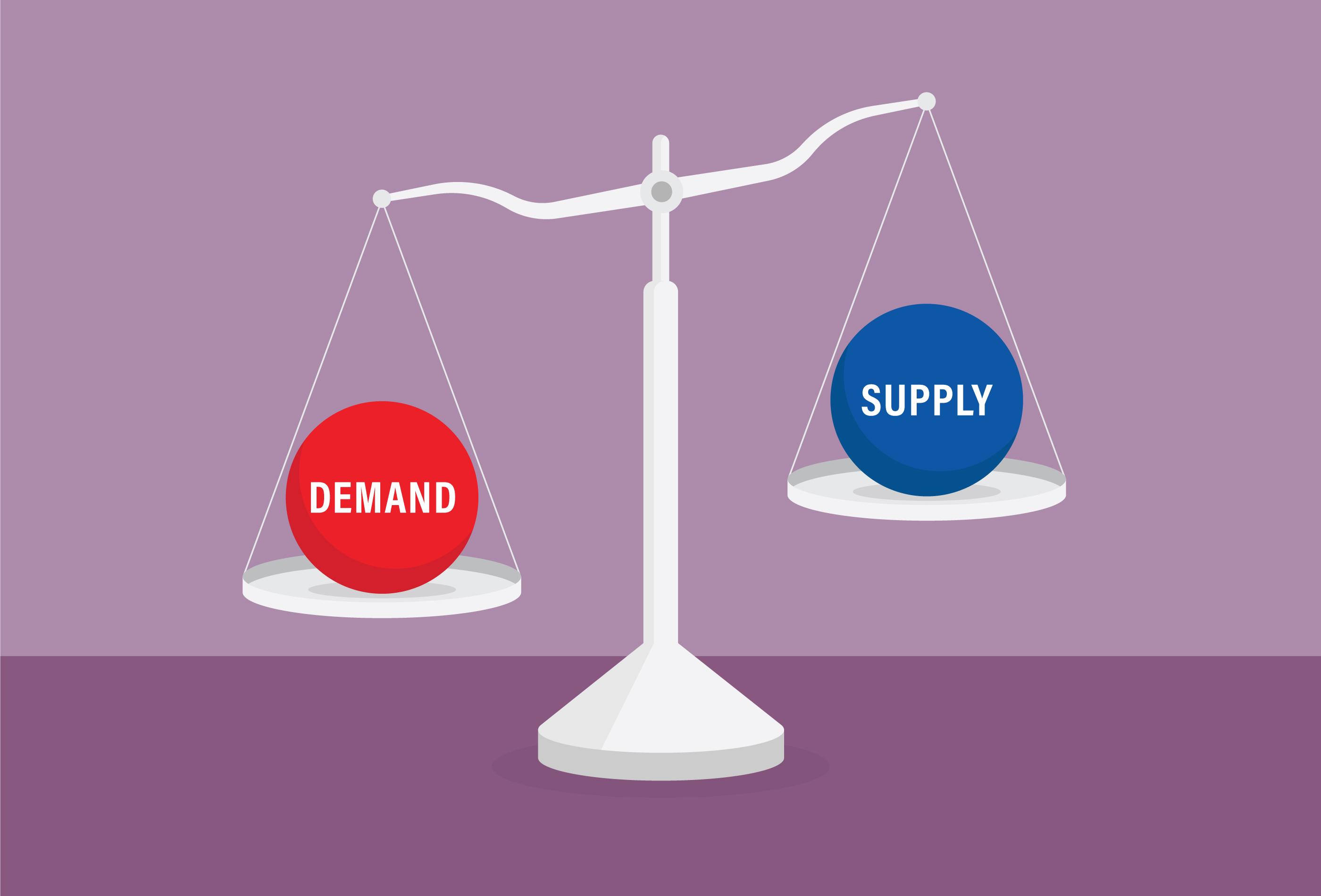
- Price elasticity of demand. This is the most commonly described type of elasticity. It measures the change in demand that's caused by a change in price.
- Price elasticity of supply. The price elasticity of supply measures how the quantity of a product changes as its price changes. The most common example of this is the supply of oil, which is generally reduced as prices fall.
- Income elasticity of demand. This type of demand is based on consumer income. During a recession, for example, fewer luxury automobiles are sold because consumers have less discretionary income.
- Cross-price elasticity. Elasticity doesn't happen in a vacuum, and cross-price elasticity measures the effect of price changes for one type of good or service on another good or service. This type of elasticity is particularly relevant when looking at substitutions.
Examples of elasticity
Almost any product or service can be classified as elastic or inelastic. As the 2007-09 financial crisis deepened, one of the most elastic examples occurred when an already struggling airline suffered an $85 billion decline in revenues. Airline stocks plunged 68% between January 2007 and March 2009.
Major U.S. based-carriers, including the predecessor airlines for United Airlines (UAL -2.34%), American Airlines (AAL -3.37%), and Delta Air Lines (DAL -1.85%) reduced capacity by at least 10% in 2008 and followed it up with another 4% in reductions in 2009. Southwest Airlines (LUV -3.05%) posted its first quarterly loss in 17 years.
Although the industry eventually rebounded, the string of economic calamities, which ranged from the Sept. 11 terror attacks to soaring fuel costs, prompted five major mergers in the wake of the Great Recession.
Related investing topics