Interest rates and investments
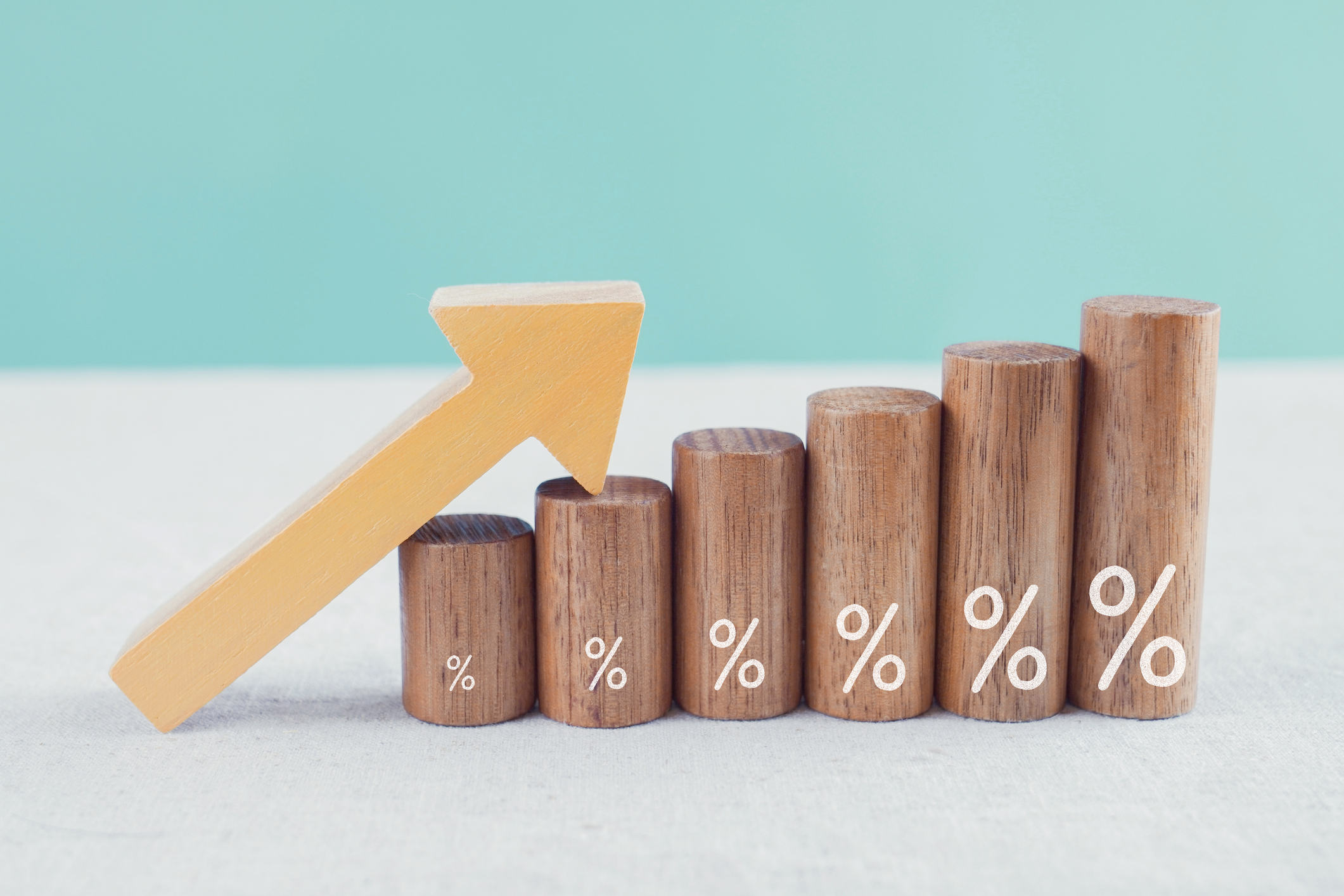
Although interest rates are tied most directly to loans, they’re also an important factor in the success (or lack of success) of your portfolio. When interest rates are high, many investors put money into the bond market since the yields will be higher. For example, a $10,000 Treasury bond with a 5% interest rate may seem attractive at the time. But if interest rates rise sharply, the value of the bonds falls.
Low interest rates, on the other hand, tend to favor stocks over bonds. As interest rates fall, so does the attractiveness of bonds. Investors will move money from the bond market to stocks, creating more demand and presumably less supply; the prices of stocks will then appreciate faster than the value of bonds.
Of course, interest rate fluctuations don’t just affect the balance of stocks and bonds. In some cases, they’ve been known to wreak havoc on the financial system. Banks either closed or required bailouts in early 2023 after investing heavily in bonds when interest rates were low.
Concerns about inflation, however, led the Fed to sharply increase interest rates. The value of the bonds plummeted, depositors became nervous, and demanded their money -- which the banks couldn’t provide without assistance from the government or other banks.
Interest rates will go up and down; investors shouldn’t attempt to shuffle their holdings according to the whims of the Fed. Instead, smart investors realize that diversification and a long-term buy-and-hold strategy are the best hedges against changing economic conditions. Interest rates can give you an idea of where the economy is heading, but you’re not likely to have much success by adjusting your portfolio based on where you think interest rates will go.