Energy Transfer (ET +0.59%) is one of the largest energy midstream companies in the country. The master limited partnership (MLP) operates over 140,000 miles of pipelines that transport fossil fuels from production basins to end markets.
Here's a look at how units of the MLP have performed versus the S&P 500 over the past five years and what has helped fuel its returns.

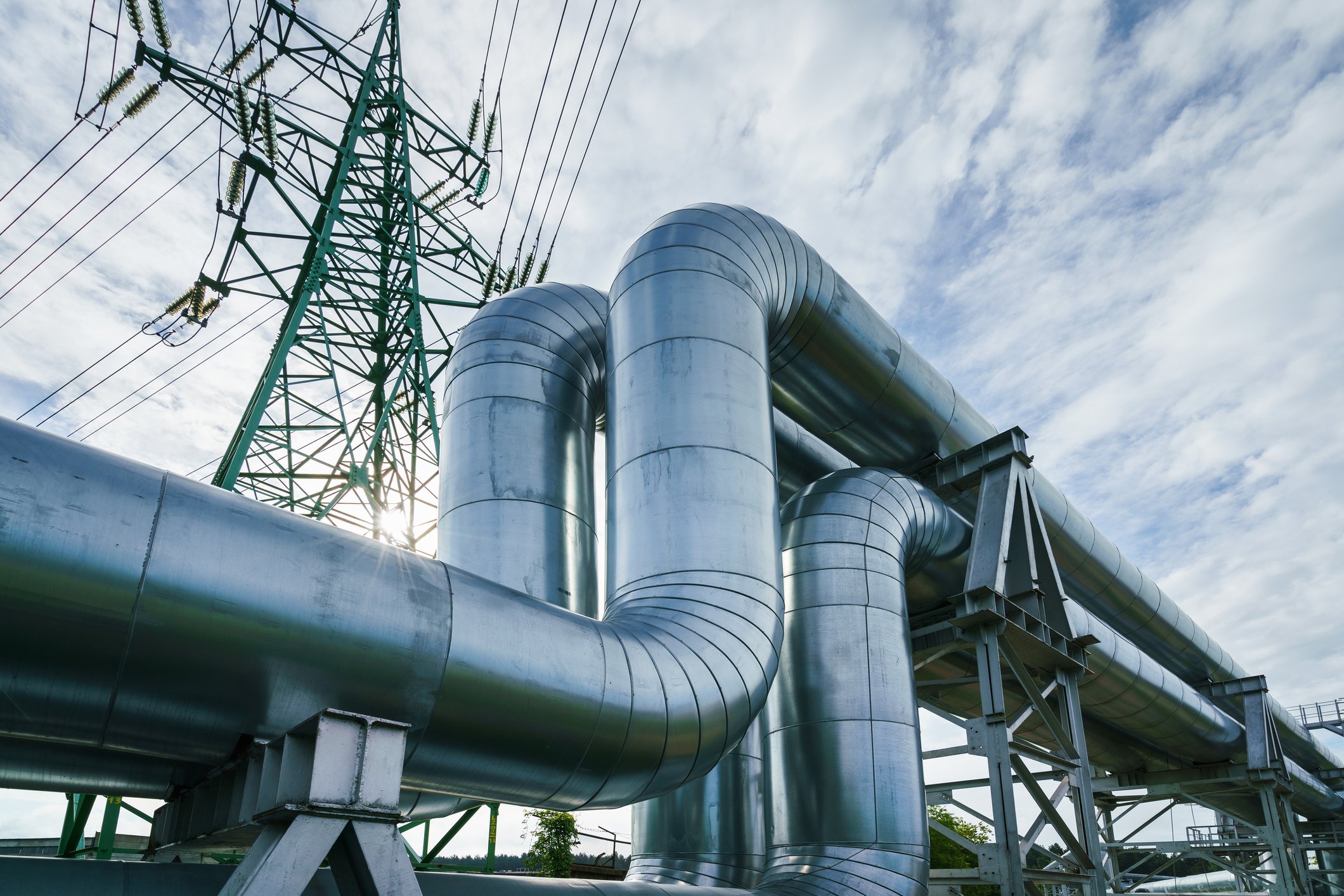
Image source: Getty Images.
Energy Transfer's five-year performance
As the table below shows, while Energy Transfer's unit price has underperformed the market over the last one- and three-year periods, it has crushed the S&P 500 during the past five years:
|
One-year |
Three-year |
Five-year | |
|---|---|---|---|
|
Energy Transfer |
-15.9% |
34.2% |
170.7% |
|
S&P 500 |
13.2% |
67.5% |
86.5% |
Data source: Ycharts.
These returns don't show the entire performance picture because they exclude Energy Transfer's high-yielding distribution (currently 8%). That big-time payout has really added up over the years, significantly increasing its total return:
|
One-year |
Three-year |
Five-year | |
|---|---|---|---|
|
Energy Transfer |
-11.2% |
68.9% |
294.8% |
|
S&P 500 |
13.2% |
67.5% |
86.5% |
Data source: Ycharts.
Adding in reinvested distribution payments boosts the MLP's three-year return above that of the S&P 500, while further distancing it from the broader market over the last five years.
What has fueled the MLP's returns?
A couple of catalysts have fueled the pipeline company's robust returns over the past five years. A big one has been the improvement in Energy Transfer's financial profile. Five years ago, the company was in a weaker financial position due to a heavy debt load and the impact the pandemic had on energy demand. As a result, the MLP cut its distribution in half that year to retain additional cash to repay debt and fund expansion projects.
Fast forward five years, and Energy Transfer is in the best financial position in its history. The company's leverage ratio is in the lower half of its 4.0-4.5 times target range. The MLP has significantly strengthened its financial profile by using its excess free cash flow to repay debt and fund its expansion initiatives. It has invested heavily in organic expansion projects and completed a series of strategic acquisitions.

NYSE: ET
Key Data Points
Those investments have helped grow its adjusted earnings before interest, taxes, depreciation, and amortization (EBITDA) at a 10% compound annual rate since 2020. Energy Transfer's growing earnings and improving financial profile enabled the MLP to steadily increase its distribution. It now has a higher quarterly distribution payment level than it did before the pandemic.
Dividends can really add up
Energy Transfer has delivered robust returns over the past five years as it made the necessary moves to shore up its financial profile. That enabled it to invest in growing its operations, which increased its earnings and enabled it to boost its distribution payment. The MLP's lucrative distribution has significantly increased its total return.