Dogecoin (DOGE 3.72%) is the cryptocurrency industry's original meme token. Its founders literally used the famous "Doge" meme as inspiration when they created it in 2013, and they admitted the entire exercise was a joke.
Dogecoin has sent investors on a rollercoaster ride ever since. The token reached an all-time high of $0.73 in 2021, before losing more than 90% of that peak value by mid-2022. It was the best-performing major cryptocurrency in 2024, but it has plummeted by 56% in 2025.
Unfortunately, a series of structural issues is preventing Dogecoin from maintaining its value. One of them relates to its supply, and it's a key reason I think the meme token could sink to as low as $0.05 during 2026, which would represent a further downside of 64% from its current price of $0.14. Read on.

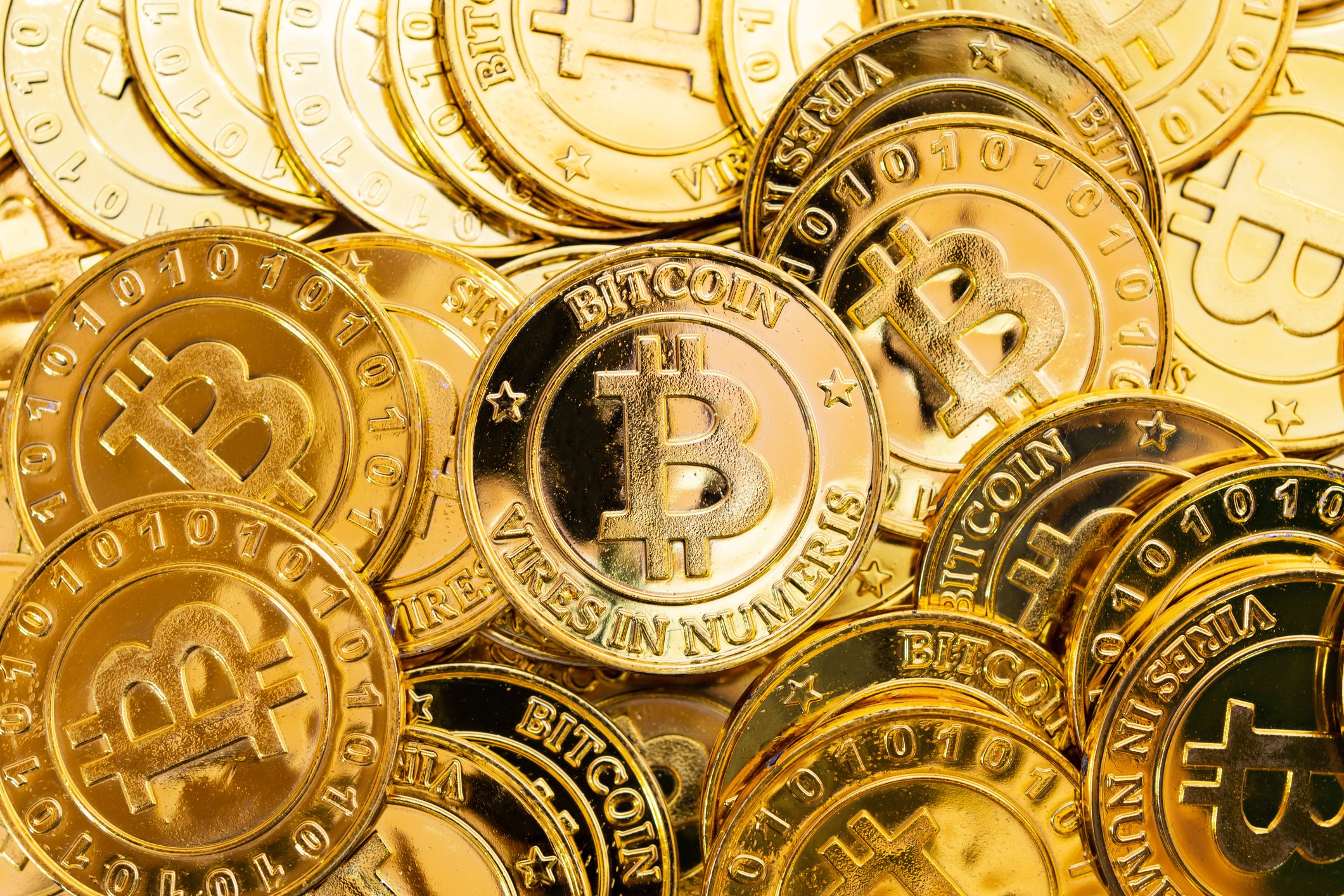
Image source: Getty Images.
A lack of adoption continues to plague Dogecoin
Dogecoin has very little utility in the real world. It isn't a good store of value because it hasn't hit a new record high since 2021, and it isn't widely used as a payment mechanism. In fact, according to crypto directory Cryptwerk, only 2,136 businesses worldwide are willing to accept the token in exchange for goods and services. For some perspective, over 175 million businesses in 220 countries accept Visa.
Dogecoin is one of thousands of cryptocurrencies without a use case, and most of them have the same issue with volatility and a dwindling value. Utility can make all the difference. Bitcoin (BTC +0.97%), for example, is widely considered to be a legitimate store of value, and it continues to set new highs every year as a result.
Ether also hit a new record high this year, because it's the native cryptocurrency in the Ethereum (ETH 1.20%) network. This network is an increasingly popular destination for developers who want to create decentralized applications.
It's difficult for Dogecoin to maintain its momentum without an organic source of demand. So far, every major rally in the cryptocurrency has been fueled by speculation, which simply isn't sustainable. It logged its 2021 record high of $0.73 after Tesla CEO Elon Musk spent the year promoting it on social media, and also on an episode of Saturday Night Live, which attracted several new investors. But many of those investors abandoned ship when they realized Musk didn't have a concrete plan to create real value.
Musk was also a driver of Dogecoin's 251% return in 2024. President Donald Trump appointed him to run an external government agency tasked with cutting "wasteful" spending to reduce the national debt. It was named the Department of Government Efficiency, or DOGE for short, which investors interpreted as a nod to Dogecoin. DOGE never had any formal ties with Dogecoin, and the agency has since been disbanded, so it's no surprise that the token is down 56% this year.

CRYPTO: DOGE
Key Data Points
This supply issue could be the biggest barrier to further upside
Dogecoin transactions are verified through a process called mining. It involves using computers to solve complex mathematical equations to add new blocks to the blockchain. The network falls apart without this process, so miners are paid rewards in Dogecoin to incentivize them to continue participating.
This means that new Dogecoin tokens are constantly entering circulation, which dilutes the holdings of existing investors. A maximum of 5 billion tokens can be mined each year, but there is no end date, so supply will grow forever. Although Bitcoin uses a similar system, its original developers capped its supply at 21 million coins, which creates the perception of scarcity.
Dogecoin has a circulating supply of 152 billion tokens as I write this, and at the current price of $0.14 per token, it has a market capitalization of $20.8 billion. When Dogecoin's supply eventually doubles to 304 billion tokens, its price per token will have to decline by 50% in order for its market capitalization to stay the same.
History suggests that $0.05 might be possible in 2026
Based on the annual mining limit of 5 billion new tokens each year, it will take around 30 years for Dogecoin's supply to double from here. Regardless, absent a new source of organic demand, the path of least resistance for Dogecoin's value appears to be lower. As more investors come around to the reality that an ever-growing supply will weigh on their potential returns, they are likely to look for better opportunities.
Dogecoin is clearly trending lower right now, and history offers a clue as to where the bottom might be. It hit a low point of $0.05 per token during its last crash in 2022, and given the magnitude of the current decline, I think that is the most obvious target for 2026.